Showing posts with label Cancer. Show all posts

Music Helps Ease Pain & Anxiety of Cancer Patients


The saying music soothes the soul has proven to be more than a catchy phrase.  Over the years, frequently listening to music has been linked to a number of health benefits which includes reducing stress.  A recent review of 30 studies published in the Cochrane Library found that music therapy helped cancer patients reduce anxiety and pain while improving overall quality of life. 
Joke Bradt, PhD., and associate professor of creative arts therapies at Drexel University and her colleagues reviewed studies that included 1,891 cancer patients who went through different forms of music therapy.  In all of the studies, participants commonly listened to music and in some cases also played instruments, sang, or created rhymes along with control groups the received standard treatment.  Improvements linked to the different music therapies included: reduced anxiety, improved pain and mood, lower blood pressure, heart rate, and overall improved quality of life. 
Bradt concludes that there is need of more research and tests in order to see which type of music therapy is most effective, but says that programs should be tailored to the individual’s tastes and skills.  “It’s not like when you go to a doctor with a headache, and he prescribes a specific type of medicine that will help me with my headache and also help you with your headache,” Bradt explains. 
More in depth studies are needed to know the true extent of the benefits that music may have, however the results are promising.  Robert Zatorre, Ph.D., a cognitive neuroscientist at McGill University sums it up saying, “the cost involved with music is very small compared to other kinds of interventions. How well it works – say, compared to drugs – is another question, but the side effects are very minimal as well.  The worst thing that can happen [when] someone doesn’t like music is that they can turn it off.”  So whether you suffer from a chronic illness or not, listen to some music to help brighten your day and improve your mood.    


Home Care Assistance offers the highest quality 24/7 live-in home care in the Region of Halton (Oakville, Burlington, Halton Hills, and Milton), Region of Peel (Mississauga, Brampton and Caledon), Hamilton and surrounding areas.

Tips for Enjoying the Summer Safely


 As summer quickly approaches and the weather begins to improve, there is an urge to get outside and get going. For some, exercise is enjoyed more when it takes place outside in the fresh air and sunshine.
Enjoying the great outdoors for exercise or mental stimulation is wonderful as long as it is done safely.

Here are some suggestions to help you enjoy the summer safely!
1. Make sure you always wear sunscreen and bring a hat. Heat stroke (or sun stroke) is very dangerous and precautions should always be taken to avoid getting too much heat or sun. Don’t forget about your face! It is the easiest place to get a burn.

2. Make sure you drink plenty of fluids! Getting dehydrated can lead to other health complications. Know the signs and keep an eye out when spending time outside with others.

3. Watch your step. We have all done it – you’re walking on the sidewalk when suddenly your shoe catches on an uneven step and you stumble. For seniors, falls are a serious matter. Falls can lead to broken bones or fractures, loss of independence and depression. It is better to be safe!

4.  Take frequent breaks from the sun. Try to take breaks from the sun every hour or two by going inside or sitting in the shade. On those especially warm and humid days, try to go somewhere cool to prevent your body from overheating.

The good news is that the sun doesn't have to be your enemy if you wear your sunscreen, drink your water, and take breaks when you start to feel too hot. And don't forget your sunglasses. Not only do they protect your eyes from the sun, they make you look so cool!


Home Care Assistance offers the highest quality 24/7 live-in home care in the Region of Halton (Oakville, Burlington, Halton Hills, and Milton), Region of Peel (Mississauga, Brampton and Caledon), Hamilton and surrounding areas.

Why you should watch how much sodium you eat

Eating a sodium-free diet by choice may be difficult to imagine, especially when you don’t suffer from high blood pressure or food-restricting conditions like diabetes. However, it may be a smart move.

A recent article in the Huffington Post lists numerous negative health effects caused by high sodium consumption, which includes kidney disease, osteoporosis, asthma and even gastric cancer. The majority of these negative health affects are a result of the average sodium intake in America today. About 3500mg of sodium is consumed by a single individual in a day. Compared to our early ancestral diet of natural foods where there was only 1000mg of sodium, this is a grotesquely high number.

Living in a society where fast food and other unhealthy options are readily available makes sodium and diet constrictions a challenge for many.  Unfortunately, a high sodium diet puts even the healthiest person at risk for health trouble beyond high blood pressure. So much so, that the American Heart Association has recently dropped its recommended maximum sodium intake from 2300 mg to 1500 mg.

Unhealthy eating trends over the past decade have varied among North Americans. Only until recently, has affordable, organic food become more mainstream and widely available. Stores like Trader Joe’s can be found in more local neighborhoods. Whole Foods, although pricier, offers organic, pre-made balanced meals that provide consumers a variety of options to chose from.

Eating less sodium doesn’t have to be a painful alteration to your lifestyle. Not to mention, the health benefits you will gain from eating a low sodium diet will far outweigh how you looked and felt before!

Courtesy of CareNotes: The Home Care Newsletter

Home Care Assistance offers the highest quality 24/7 live-in home care in the Region of Halton (Oakville, Burlington, Halton Hills, and Milton), Region of Peel (Mississauga, Brampton and Caledon), Hamilton and surrounding areas.

Canada one of top countries in cancer survival

In a recent study published in The Lancet, Canada places highly compared to top countries such as the United Kingdom, Denmark and Norway in survival rates for lung, breast, colorectal and ovarian cancers. The study was an initiative of the International Cancer Benchmarking Partnership (ICBP), an international partnership of clinicians, academics and policymakers seeking to understand how and why cancer survival varies between countries. The ICBP study analyzed survival rates for four cancers - lung, breast, colorectal and ovarian - in six developed countries.

Based on the voluntary participation of four Canadian provinces - British Columbia, Alberta, Manitoba and Ontario - the study data show that Canada's survival rates for these select cancers are among the highest, along with Australia and Sweden in the study. The study is based on population data for 2.4 million adults diagnosed with colorectal, lung, breast or ovarian cancer between 1995 and 2007. The six countries were chosen based on their comparable wealth, universal access to healthcare and the nature of cancer data available.

"Overall, Canada is performing well internationally when it comes to cancer survival - and the survival rates for all participating countries show improvement over time. Canada will continue to contribute and learn from international data as this study continues, while also working within our own borders to reduce cancer's significant burden on our population, our health system and our economy: 174,000 cancer diagnoses and 76,000 cancer deaths every year is still very high." -- Dr. Heather Bryant, Vice-President of Cancer Control at the Canadian Partnership Against Cancer

The Canadian Partnership Against Cancer works with provincial cancer agencies in developing a national cancer strategy to bring a coordinated approach to reducing the impact of cancer on Canadians. Many other nations that are successful in dealing with cancer have such a national strategy.
"The provinces in this study have organized approaches and systems to provide their citizens with world-class cancer care. Having both an interprovincial context and international comparisons allows us to understand our strengths and gaps, and to focus our improvement efforts. The international benchmarking findings are heartening for Canada, and a reminder to continue to strive for optimal care." -- Dr. Terry Sullivan, President and CEO of Cancer Care Ontario.
Canada's national cancer control strategy was funded by the federal government in 2006, and the Partnership opened its doors in 2007 to begin implementing it. Working with partners across the country - many of whom were instrumental in developing the cancer strategy - the Partnership is helping to improve the consistency and coordination of the cancer system across Canada's 10 provinces and three territories.


Source: Canadian News Wire


Home Care Assistance offers the highest quality 24/7 live-in home care in the Region of Halton (Oakville, Burlington, Halton Hills, and Milton), Region of Peel (Mississauga, Brampton and Caledon) and Hamilton.

Which vitamins are important for seniors to take?


As we age, certain health conditions arise that require daily medication.  For instance, if you have hypertension, you take a blood pressure pill daily. If you have high cholesterol or another ailment, medication can be taken to keep your symptoms under control.  What we sometimes forget that is very important, is that many of these medications can affect the absorption of vitamins into our bodies.

The Cleveland Clinic claims that, “deficiencies in vitamins exist in about a third of the elderly.”  However, there are over-the-counter vitamins that we can take to correct these deficiencies such as, Vitamin D, Vitamin A, Vitamin C, Vitamin B and Folate.

Vitamin D is especially important to take because it treats those with osteoporosis, which is common among seniors.  Taking vitamin D regularly keeps calcium levels high and lessens the bone loss that occurs with kidney failure.

Vitamin A is another essential supplement as it helps with good eyesight and a healthy immune system.  As noted by the U.S. National Library of Medicine, Vitamin A “is used in the treatment for cancer and to prevent heart disease.”

Vitamin C, on the other hand, works to limit the development of dementia, Alzheimer’s, heart disease, glaucoma, arthritis and stroke, according to the U. S. National Library of Medicine.

Vitamin B-12 helps to maintain our energy levels.  Folate, which is another type of vitamin B, helps with preventing stroke, heart disease, breast cancer and colon cancer for seniors.

Now that you have a rundown of all the important vitamins seniors should consume, remember to consult with your doctor first before you start taking any new supplements.

Courtesy of Home Care Blog

 Home Care Assistance offers the highest quality 24/7 live-in home care in the Region of Halton (Oakville, Burlington, Halton Hills, and Milton), Region of Peel (Mississauga, Brampton and Caledon) and Hamilton.

How to Live to 102 - Secret #35

Eat "good" cholesterol also known as HDL cholesterol. A study published in the Journal of the American College of Cardiology analyzed 24 studies of 145,000 people and found that those with higher levels of HDL cholesterol had significantly lower rates of incidence for cancer. One theory is that HDL cholesterol possesses anti-inflammatory preperties that tame tumors.

Source: Men's Health, October 2010


Home Care Assistance offers the highest quality 24/7 live-in home care in the Region of Halton (Oakville, Burlington, Halton Hills, and Milton), Region of Peel (Mississauga, Brampton and Caledon) and Hamilton.

Get Tested For Colon Cancer

By Dr.Kathy Johnson, PhD, CMC


Colorectal cancer is the second biggest cause of cancer related deaths in the United States besides lung cancer. Tests used to screen for the cancer have been estimated to have saved at least 70,000 people in the past 20 years.

There have been recent debates regarding which type of screening method is best. The sigmoidoscopy is one test used for the detection of colorectal cancer, but it has not been used as much over the past ten years because it only goes two feet inside the colon whereas a colonoscopy is more thorough and goes through the entire colon.  Recent findings suggest that there is no conclusive evidence as to whether or not one test is more effective than the other.

Research is still being conducted to determine which test is the most through and effective, but all doctors agree that either one is better than no test at all. So if you are over 50 and due for a colonoscopy, it is important to get one scheduled.

Courtesy of Home Care Blog


Home Care Assistance offers the highest quality 24/7 live-in home care in the Region of Halton (Oakville, Burlington, Halton Hills, and Milton), Region of Peel (Mississauga, Brampton and Caledon) and Hamilton.

AARP Reports Breakthrough in Breast Cancer Research

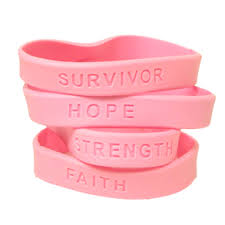
Wristbands are one of the many ways you can increase awareness this October.
With October and National Breast Cancer Awareness Month around the corner, I wanted to discuss breast cancer today, especially because it is the second most common cancer in women. Recent studies have shown a new way of detecting if breast cancer will be aggressive or recurring. This research was featured on AARP.com this past month and the key finding was a protein that regulates iron in cells was shown to possibly predict recurrence.

The protein is called ferroportin and they found that when levels of the protein increased in cancer cells, the cancer’s growth rate slowed. Data on 800 women with breast cancer who were followed for 10 years showed that ferroportin levels were linked to recurrence.

The hope for the future is that doctors may be able to save chemotherapy and radiation for women who have a poor prognosis according to their ferroportin levels. Researchers are also looking into the possibility of manipulating the protein to change the duration of the disease.

This is a very new finding in the fight against breast cancer. While it is still not the cure, it is at least getting us closer to it as well as offering hope to the 1.3 million women in the world who are diagnosed ever year with this cancer.

Courtesy of Kathy Johnson's Home Care Blog

Home Care Assistance offers the highest quality 24/7 live-in home care in the Region of Halton (Oakville, Burlington, Halton Hills, and Milton), Region of Peel (Mississauga, Brampton and Caledon) and Hamilton.

Study: Soft Drinks, Sleeping Pills Linked to Heartburn

If heartburn is keeping you awake at night, you may want to lay off the carbonated beverages or sleeping pills if this uncomfortable condition is affeccting your sleep. A new study on the risk factors associated with night-time heartburn found that drinking carbonated soft drinks and ingesting benzodiazepines, a commonly-prescribed class of sleeping pill, are among the strongest predictors of heartburn. The study, which appeared in the journal Chest, is the largest study undertaken to date on the incidence and risk factors associated with nighttime heartburn.

Heartburn is a symptom of a condition called gastroesophageal reflux disease (GERD). GERD occurs when stomach acids creep up into the esophagus, causing burning and chest pain and sometimes leaving a bad taste in your mouth. For many people, it can be brought on by big heavy meals, spicy foods, or alcohol. Lying down too soon after eating can also bring on heartburn. Many people have the mild form of GERD, where symptoms happen less than 3 times per week and do not interfere with sleep or daily activity. When GERD happens more frequently and to the extent that it keeps you awake, it is classified as severe. While mild GERD can generally be managed through lifestyle modifications or non-prescription medications, severe GERD usually requires prescription medication or even surgery and can even be a risk factor for esophageal cancer.
"There are simple lifestyle changes people can make to help reduce their frequency of heartburn during sleep. Reducing consumption of carbonated soft drinks, replacing benzodiazepines with other types of sleeping pills, and losing weight can all help reduce nighttime heartburn." --Dr. Paul A. Kvale, president of the American College of Chest Physicians.
The study is the first to look at how many people are being kept up at night, said the study's author, Dr. Ronnie Fass. The study involved more than 15,000 Americans, all of whom filled out questionnaires on their sleep habits, medical history, social habits, and more.
"We found that up to a quarter of the U.S. population loses sleep because of nighttime heartburn, and many of these individuals have related sleep complaints and suffer from excessive daytime sleepiness," Dr. Fass said.
Because excess weight is a known risk factor for heartburn and was found in the study to be one of the predictors, it's possible the rate of nighttime heartburn is lower in Canada. About half the population here is considered overweight or obese, compared to two thirds of Americans.

Among the factors that were strong predictors were soft drinks (likely because of their acidity, the researchers said), certain prescription sleeping pills known as benzodiazepines (such as diazepam (Valium), triazolam (Halcion), lorazepam (Ativan), and alprazolam (Xanax)), and having high blood pressure or asthma. Sleeping problems such as insomnia, snoring, and daytime sleepiness were also associated with nighttime heartburn.

But the good news is that the experts don't believe people who report nighttime heartburn are doomed to uncomfortable, sleepless nights.

Courtesy of Canada.com

Home Care Assistance offers the highest quality 24/7 live-in home care in the Region of Halton (Oakville, Burlington, Halton Hills, and Milton), Region of Peel (Mississauga, Brampton and Caledon) and Hamilton.

Berries Linked to Better Brain Function

A new study from the American Chemical Society shows that a berry-rich diet can activate the brain's cleaning process, removing toxins and inessential compounds that may interfere with brain function. This process is called autophagy where brain cells called microglia are responsible for cleaning up and recycling toxic proteins. When people age, the microglia becomes ineffective and toxic builds up. Foods with polyphenol like berries and nuts stimulate autophagy while inhibiting proteins that shut it down.

Berries have always been consistently considered one of those "miracle superfoods" has tremendous health benefits. They are low in calories, fat free, a great source of fibre and vitamins, and most importantly, full of polyphenol compounds that are linked to anti-aging and anti-cancer effects. In fact, strawberries, blueberries and blackberries have been shown to improve memory in aged animals by protecting the brain with antioxidant and anti-inflammatory actions.

There have been many other foods that have been linked to anti-aging. A large U.S. study showed that those with higher intakes of salad dressing, nuts, fish, chicken, tomatoes, fruit, cruciferous vegetables, leafy greens and low intakes of fatty dairy, red meat and butter were 38% less likely to develop Alzheimer's disease. A similar report concluded that a diet rich in fruit, vegetables, nuts, beans and olive oil guarded against Alzheimer's as well.

Source: "Berries may help your brain clean house" The Globe and Mail. August 25, 2010 (L1)

Home Care Assistance offers the highest quality 24/7 live-in home care in the Region of Halton (Oakville, Burlington, Halton Hills, and Milton), Region of Peel (Mississauga, Brampton and Caledon) and Hamilton.

How to Live to 102 - Secret #30

Balance your Omega-3:Omega-6 ratio. There is mounting evidence that a diet high in omega-6 fatty acids (fats) increases your chance of cardiovascular disease and cancer. To improve your ratio, reduce your intake of omega-6 fats (especially canola, corn and nut oils) while increasing your intake of omega-3 fats from foods including fatty fish like salmon.


Source: Wikihow

Home Care Assistance offers the highest quality 24/7 live-in home care in the Region of Halton (Oakville, Burlington, Halton Hills, and Milton), Region of Peel (Mississauga, Brampton and Caledon) and Hamilton.

How to Live to 102 - Secret #29

Consider squatting to defecate, as it may greatly reduce your chance of getting potentially fatal colorectal cancer or hemorrhoids.


Source: Wikihow

Home Care Assistance offers the highest quality 24/7 live-in home care in the Region of Halton (Oakville, Burlington, Halton Hills, and Milton), Region of Peel (Mississauga, Brampton and Caledon) and Hamilton.

6 Tips For Preventing Skin Cancer

It may not be possible to avoid all types of cancer, but seniors can do a few things that will help to protect them from developing skin cancer. Most seniors enjoy being outside during the summer, but the rays from the sun can be damaging. Furthermore, sun protection is important all year round as ultraviolet (UV) rays can reach you even on cloudy and hazy days and can reflect off of surfaces like water, cement, sand, and snow. To avoid being at risk for skin cancer, the list below offers some useful tips for seniors during the summer months.

1.

Try to avoid exposure to the sun between 10 in the morning and 4 in the afternoon in the late spring and early summer. This is when the UV rays are the strongest.

2.

Always use a sunscreen (at least SPF 15 with both UVA and UVB protection) on all areas of the body that will be exposed to the sun. Put on another layer if you stay out in the sun for more than two hours, and after you swim or do things that make you sweat.

3.

Seniors should wear light and airy clothing that will protect their skin from the sun and keep arms and legs covered as much as possible. A wet T-shirt offers much less UV protection than a dry one. Darker colors may offer more protection than lighter colors.

4.

Wear a hat with a wide brim to shade the face, head, ears, and neck. A tightly woven fabric, such as canvas, works best to protect your skin from UV rays. Avoid straw hats with holes that let sunlight through. A darker hat may offer more UV protection.

5.

Sunglasses that block UVA and UVB rays can be beneficial. They also protect the tender skin around your eyes from sun exposure and reduce the risk of cataracts. Wrap-around sunglasses work best because they block UV rays from sneaking in from the side.

6.

During the midday hours, seniors should try to stay in the shade under an umbrella, tree, or other shelter before you need relief from the sun. If seniors will be outside for a long period of time them they should be in the shade as much as possible.

Source: Centers for Disease Control and Protection


Home Care Assistance offers the highest quality 24/7 live-in home care in the Region of Halton (Oakville, Burlington, Halton Hills, and Milton), Region of Peel (Mississauga, Brampton and Caledon) and Hamilton.

Seniors Dance to Stay Healthy


This video and short article from WWLP reports on a group of seniors in Springfield, Massachusetts who have discovered the secret to staying young: dance. From age 58 to 82, the Riverview Seniors Dancers have battled everything from depression, to cancer, to diabetes through their weekly dancing meetings at the Riverview Senior Center. These seniors lack nothing in energy or in happiness, and their greatest wish is that through their dancing and their performances, they can spread the happiness and the joy that they have been so lucky to find.

Source: WWLP.com

Home Care Assistance offers the highest quality 24/7 live-in home care in the Region of Halton (Oakville, Burlington, Halton Hills, and Milton), Region of Peel (Mississauga, Brampton and Caledon) and Hamilton.

A Healthy Heart Equals A Healthy Mind

A study published in Circulation: Journal of the American Heart Association looked at 1,504 people of the decades-long Framingham Offspring Cohort study to examine brain and heart MRI information. The participants, who ranged from 34 – 84 years old, displayed signs that their brains began to shrink as they age. Brain atrophy has long been considered a sign of aging, and is more severe in people with dementia.
"The results are interesting in that they suggest cardiac index and brain health are related," Angela L. Jefferson, Ph.D., the study's lead author and associate professor of neurology at the Boston University School of Medicine, “The association cannot be attributed to cardiovascular disease because the relationship also was seen when we removed those participants with known cardiovascular disease from our analyses."
But participants with a poorer Cardiac index -- a measure of heart health -- and whose hearts pumped less blood had brains that appeared an average of two years older than those with normal cardiac output. This was true even for healthy people with no indications of cardiovascular disease but who had more 'sluggish' hearts. This link was found both in younger people (in their 30s) who did not have heart disease, as well as older participants who did. Yet the exact cause for a link between heart function and brain volume is still not fully understood.
"There are several theories for why reduced cardiac index might affect brain health. For instance, a lower volume of blood pumping from the heart might reduce blood flow to the brain, providing less oxygen and fewer nutrients needed for brain cells. It is too early to dole out health advice based on this one finding but it does suggest that heart and brain health go hand in hand." -- Angela Jefferson
So if a youthful brain goes hand in hand with a healthy heart, what are the best ways to keep both in shape? Although we can do little change some risk factors such as family history or age, The Mayo Clinic provides a few tips to preventing cardiovascular disease.

Don't smoke

Smoking or using other tobacco products is one of the biggest risk factors for developing heart disease. Tobacco smoke contains more than 4,800 chemicals, many of which can damage your heart and blood vessels, making them more vulnerable to narrowing of the arteries -- which can ultimately lead to a heart attack.

The nicotine in cigarettes also causes the heart to work harder by narrowing blood vessels and increasing heart rate and blood pressure. Cigarette smoke also contains carbon monoxide, and this replaces some of the oxygen in your blood -- which in turn increases your blood pressure by forcing your heart to work harder to supply enough oxygen. Even "social smokers" -- who only smoke while at a bar or restaurant with friends -- face an increased risk of heart disease.

The good news? Once you quit smoking -- no matter how long or how much you smoked -- your risk of heart disease drops dramatically within just one year of quitting.

Get moving

Regular exercise not only reduces risk of fatal heart disease, but it also helps to control your weight and reduce chances of developing other conditions that can strain the heart such as high blood pressure, high cholesterol and diabetes. Exercise also reduces stress, which is thought to be a factor in heart disease.

How much exercise is enough? Current guidelines recommend at least 30 to 60 minutes of moderately intense physical activity most days of the week. However, even shorter amounts of exercise offer heart benefits and activities like gardening, housekeeping, taking the stairs and walking the dog all count toward a healthier heart.

Eat heart-friendly foods

To enhance heart health, choose foods are those that are low in fat, cholesterol and salt. Think of fruits, veggies, and whole grains. Legumes, low-fat dairy and low-fat sources of protein and certain types of fish also can reduce risk of heart disease.

Omega-3 fatty acids -- a type of polyunsaturated fat -- are another component of a heart-friendly diet. They can decrease risk of heart attack, protect against irregular heartbeats and lower blood pressure. Some fish, such as salmon and mackerel, are a good natural source of omega-3s. Other sources include flaxseed oil, walnut oil, soybean oil and canola oil, and they can also be found in supplements.

Saturated and trans fat, on the other hand, increase the risk of coronary artery disease by raising blood cholesterol levels. Major sources of saturated fat include beef, butter, cheese, milk, and coconut and palm oils.

Trans fat may be even worse than saturated fat. This is because unlike saturated fat, it both raises your low-density lipoprotein (LDL), or "bad," cholesterol, and lowers your high-density lipoprotein (HDL), or "good," cholesterol. Sources of trans fat include some deep-fried fast foods, bakery products, packaged snack foods, margarines and crackers. Look at the label for the term "partially hydrogenated" to avoid trans fat.

Watch your weight

It's been widely reported that obesity rates are on the rise in North America among both adults and children. These extra pounds (especially around the mid-section) can take a toll on your health – but keep in mind that even small reductions in weight can produce big benefits. Reducing your weight by just 10 per cent can decrease blood pressure, lower blood cholesterol level and reduce risk of diabetes.

Get regular health screenings

Be sure to stay on top of your numbers: High blood pressure and high cholesterol cause damage to your heart and blood vessels. But without regular testing, you won't know if you have these conditions or if you need to take action.

Source: 50plus.com

Home Care Assistance offers the highest quality 24/7 live-in home care in the Region of Halton (Oakville, Burlington, Halton Hills, and Milton), Region of Peel (Mississauga, Brampton and Caledon) and Hamilton.

How to Live to 102 - Secret #21

Avoid simple carbohydrates. Carbohydrates cause your insulin levels to rise, which has been associated with increased incidence of breast cancer in menopausal women.

Source: Wikihow


Home Care Assistance offers the highest quality 24/7 live-in home care in the Region of Halton (Oakville, Burlington, Halton Hills, and Milton), Region of Peel (Mississauga, Brampton and Caledon) and Hamilton.

New Tea on the Block: Pu-erh

Pu-erh (Pronounced pew-er:) tea may be new to most North Americans, but it isn't actually "new." It's been grown and cured in the Yunnan province of China for over 2000 years and its distinguishing characteristic is, in fact, its age.

Xiaguan Te Ji (Special grade) raw tuo cha
Broad leaf tea leaves are fermented, pressed, and aged to make pu-erh tea (some versions are made without fermenting the tea first). All pu-erh tea used to be aged for decades, some are even aged as long as a century. Modern tea producers have found ways to speed up that process for most commercially available pu-erh tea.

Chinese medicine uses pu-erh tea to flush out toxins, treat dysentery, improve digestive function, facilitate weight loss, and improve blood circulation.

Modern scientific studies have found that pu-erh tea can lower blood pressure, reduce free radicals, and aid weight loss. It has also been shown to lower blood sugar levels and promote healthy bacterial flora in the intestines, thus, as traditional Chinese medicine proclaims, promoting healthy digestion. One Chinese study found that the fungi and bacteria that increase in pu-erh tea as it ages and give the tea its unique flavor are also those that develop polyphenols and cancer-fighting properties.

For as cure-all as this can start to sound, most striking are the studies that point to pu-erh tea's ability to lower cholesterol levels.

All tea – whether black, oolong, green, or pu-erh – contains antioxidants and polyphenols. Several studies have found that pu-erh tea is particularly effective at lowering bad cholesterol. A 2005 study at the Wun-Shan Branch Tea Research and Extension Station in Taipei, Taiwan looked at the cholesterol-lowering properties of all four types of tea and found that while they all decreased LDL-C (bad cholesterol), only pu-erh tea did not also lower HDL-C (good cholesterol) to some extent. When it comes to cholesterol, pu-erh tea takes the bad while leaving the good.

The same study found that pu-erh and oolong teas lowered triglycerides more than did black or green teas. All teas improved the activity of an important antioxidant enzyme.

An earlier French study found that subjects with high blood lipid levels experienced a 22% reduction in those levels when they were given three servings of pu-erh tea daily. The control group showed no change.

A similar study at Kunming Medical College in China found that subjects with hypertension or coronary heart disease (all of whom were admitted to the hospital for these conditions) who were given three servings of pu-erh tea daily showed a 64% reduction in blood lipid levels as compared to a 67% reduction in subjects who were given standard cholesterol-reducing drugs.

The Balanced Care Method™ recommends drinking several cups of tea daily because of the significant levels of antioxidants and flavonoids. Okinawan elders – the longest and healthiest lived population on earth – regularly drink large amounts of tea, keeping them hydrated and full of health-enhancing antioxidants and flavonoids.

Hydration is an important health benefit of tea. Sipping tea, including pu-erh tea, helps people stay hydrated. Unlike sodas and juices, tea provides water without empty calories or high levels of simple sugars. Dehydration in seniors can lead to symptoms that mimic serious conditions, even dementia. Symptoms of dehydration can include fatigue, headache, dry mouth, little or no urination, muscle weakness, dizziness, confusion, forgetfulness, rapid breathing, and even an increased heart rate.

Aim for a total of eight glasses of water or the equivalent every day. More may be necessary if taking medications that have diuretic or laxative effects. To avoid dehydration:
• Drink before you feel thirsty
• Have water or tea nearby for sipping throughout the day
• Drink water or tea before eating food at meals

Many American tea companies are starting to carry pu-erh teas in their lines. For the best quality, look for pu-erh teas from Yunnan province. Note that the older pu-erh teas will be more expensive.

Pu-erh teas are more forgiving when it comes to brewing than other types of tea. They are hard to over-brew. Brew pu-erh teas with boiling water and let steep about three minutes. Sweeten or add lemon to taste.

Source: CareNotes Newsletter (Volume 3, Number 3)

Home Care Assistance offers the highest quality 24/7 live-in home care in the Region of Halton (Oakville, Burlington, Halton Hills, and Milton), Region of Peel (Mississauga, Brampton and Caledon) and Hamilton.

The Life-Saving Effects of Music Making

A pastor playing a Yamaha Clavinova.

Barry Bitman, MD, the president and CEO of the Yamaha Music and Wellness Institute is currently leading some of the most extensive research to date on the health benefits of playing music. His research team has found that music can lead to reduced stress and a stronger immune system. Recreational music-making modulates natural killer cell activity in the body, a marker of immune response and has been shown to reverse stress at the DNA level according to the Medical Science Monitor. Recreational music-making is defined, by Yamaha, by music-based activities that unite people of all ages and music experience. According to Dr. Bittman, only 7.6% of adults in the U.S. play a musical instrument, and it is his wish that playing instruments be encouraged among adults and in health care settings. Recreational music-making provides exercise, social support, spirituality, intellectual stimulation, and unites the body, mind and spirit. This could especially be beneficial for seniors, as playing an instrument has also been found to “improve mood, lower blood pressure, and affect the course of many diseases including cancer and heart disease.”

Dr. Bittman began his career as a mainstream neurologist but has taken on a more collaborative and holistic approach to helping people. In the early 1990s, he studied laughter's effects on the immune system and since then has focused on ways people can take a more active role in their health and well-being. Dr. Bittman's first study into music and wellness was in 2001 when he identified drumming's positive effects on natural killer cell activity.

The goal is not to teach music but rather to enable non-music players to play music without much prior experience. Yamaha's Clavinova is a digital piano that samples sounds from actual instruments allowing users to recreate full orchestras complete with flutes, trumpets, and saxophones. In a study observing the usage of the Clavinova, researchers found a positive impact on attentiveness, active participation, socialization, positive mood, contentment, and meaningful self-expression in 550 seniors living in long-term care centres. Even with stressed students, the Clavinova demonstrated reduced burnout, improved mood states, and decreased attrition in 75 first-year nursing students. In this case, each acute care hospital saved a projected #322,000 for a combined $1.5 billion annually for the health-care industry.

Currently, the Yamaha Music and Wellness Institute is evaluating the impact of recreational music on cardiovascular disease such as cancer and heart disease while analyzing the entire human genome. Dr. Bittman also hopes to learn more about the role of music as an effective stress reducer for people facing life-threatening illnesses. He believes that everyone is innately musical and that we should all realize our capacity for making music at some point in our lives.

Source: ThirdAge.com


Home Care Assistance offers the highest quality 24/7 live-in home care in the Region of Halton (Oakville, Burlington, Halton Hills, and Milton), Region of Peel (Mississauga, Brampton and Caledon) and Hamilton.

The 10 Most Mysterious Diseases in the World

Despite significant breakthroughs in medicine and health over the past few decades there are still many long-standing unknowns in the medical community. While there are many sicknesses doctors can cure with a pen and a prescription pad, there are even more that still stump the pros, confound the public and rage on uncontested.

10) Morgellons Disease

A Morgellons sufferer pulling a fibrous strand from an open wound.
This very odd disease has sufferers complaining of an intense crawling or stinging sensations on their skin, fibrous strands protruding from open wounds, and persistent skin lesions. Patients have also reported formication (the feeling of insects crawling under one's skin), musculoskeletal pain, disabling fatigue and obsessive-compulsive disorder. Although it was classified as "Morgellons" in 2002, most doctors regard Morgellons as a manifestation of other diseases such as delusional parasitosis leading to a widespread debate about the nature of the disease. Many dermatologists refute the assertion that Morgellons is an actual disease and attribute symptoms to psychological problems or a confluence of other skin conditions. An analysis of strands of fiber taken from some patients' open sores show no biological organisms present adding fuel to the debate on the etiology of the disease.

9) Chronic Fatigue Syndrome (CFS)

CFS is commonly associated with debilitating disorders characterized by constant fatigue regardless of exertion that cannot be relieved by rest. Symptoms can include muscle and joint pain, cognitive difficulties, depression, poor immune response, and severe mental and physical exhaustion. For unknown reasons, CFS occurs most often in people in their 40s and 50s and in more women than men. Many patients do not fully recover from CFS even with treatment and laboratory testing is not used for direct diagnosis. While there is no doubt about the health, happiness and productivity costs from CFS, there has been little effort to develop a unified nomenclature and etiologic hypothesis and treatment.

8) Creutzfeldt-Jakob Disease (CJD

Prions killing nerve cells create a "spongy" appearance in the brain tissue.

Commonly known as Mad Cow Disease, Creutzfeldt-Jakob Disease (CJD) is a broader neurological disorder that is quick-acting, incurable and potentially fatal. CJD is a type of prion disease (an bit abnormal protein) is progressively destroys brain and nerve cells. A CJD prion promotes misfolded proteins that cannot digest and disrupts cell function in a self-sustaining feedback loop. This causes its symptoms of dementia, memory loss, personality changes, speech impairment, myoclonus, ataxia, and seizures. Clinical testing has always been an issue as diagnosis has primarily been based on clinical and physical examination of symptoms. As a prion disease, experts hope that studying these conditions could aid in research towards cancer, melanoma, and lymphoma.

7) Schizophrenia

A piece of cloth made by a schizophrenia patient at Glore Psychiatric Museum
One of the most puzzling mental disorders, schizophrenia blurs the distinction between fantasy and reality that could render the patient disabled. Symptoms include delusion, hallucinations, paranoia, disorganized speech, and a lack of emotions. Diagnosis relies on the patient's subjective and self-reported experiences and observed behaviour since there are no laboratory tests available. The hypothesized causes vary from genetic, prenatal, social and environmental factors  People with schizophrenia are likely to have additional comorbid conditions such as depression and anxiety while the average life expectancy is 10 to 12 years less than those without. Current psychiatric research is focused on the role of neurobiology however no organic cause has been discovered. Some believe that schizophrenia does not represent a single disorder but rather a number of discrete syndromes.

6) Autoimmune Disorders

Autoimmune disorders lead to antibodies viewing body tissues just as they do bacteria.
There are currently at least 80 known autoimmune disorders including Lupus, multiple sclerosis, type 1 diabetes, and celiac disease on top of the many other immune-system-related illness. With these disorders, the immune systems turns on its own body as begins to view muscles, joints, tissues and organs as enemies upsetting entire bodily systems. Since the immune system is so complex, the cause is difficult to identify while others believe that it is dormant within genes and can be triggered by certain factors. With 23.5 million affected in the U.S. alone, autoimmune disorders are the second leading cause of chronic illness in the U.S. and top ten cause of death of women under 65. An accurate diagnosis is difficult because there are so many types of the disease that range across many different specializations and disciplines.

5) Pica

One of the more bizarre diseases, people with Pica have an insatiable urge to eat non-nutritive substances like dirt, paper, glue, and clay or food ingredients like flour, starch and salt. Although more common in children aged 1-6 (10-32% prevalence), Pica does affect adults especially pregnant women and those with developmental disabilities. The dangers of Pica come from ingesting harmful substances such as lead, feces and gasoline as well as the greater risk for stomach tearing. Many believe that Pica is caused by deficiencies in minerals such as iron and zinc while others place it on the obsessive-compulsive spectrum. Though incurable, Pica can naturally disappear on its own over time however it may persist throughout the adult years, especially when coinciding with developmental disorders.

4) Avian Flu

A colourized transmission electron micrograph of the Avian Influenza A virus.
The Avian Flu, also known as Avian Influenza A or H5N1, is a very deadly and infectious disease that comes from a variety of viruses found in birds. Nearly 60% of people who contract the Avian Flu die from the disease regardless of their age and health status. Many experts have been warning the pandemic potential of the Avian Flu even through it is still unclear whether human-to-human transmission is possible. The flu has killed millions of poultry worldwide and there are fears that species-specific viruses will exchange genetic material to create a virulent and deadly flu strain for humans. As of late 2009, 262 humans have died from the Avian Flu in 12 countries centered particularly in Asia and Eastern Europe.

3) Common Cold

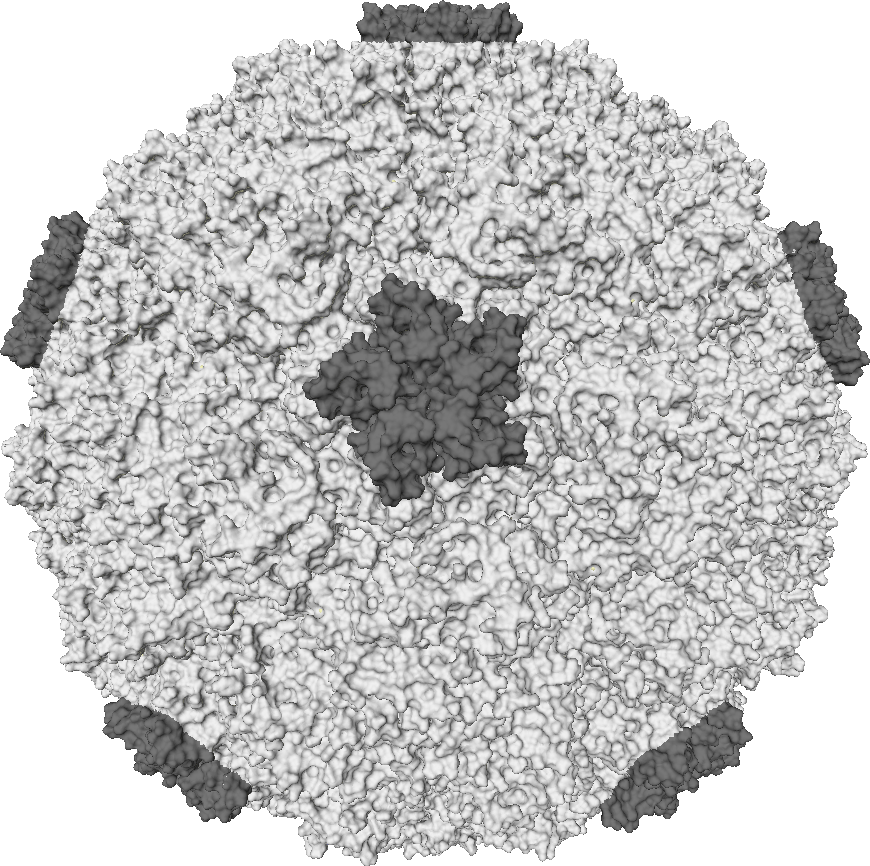
The molecular surface of a human rhinovirus.
The common cold, responsible for 30-50% of adult colds, is the most frequent infectious disease for humans with an estimated one billion cases annually in North America alone. It is a viral infectious disease of the upper respiratory system caused primarily by rhinoviruses and coronaviruses that can last anywhere from a few days to a few weeks. The symptoms - sore throat, runny nose, and fever - seem relatively harmless however its prevalence has inflicted a massive cost to society. Efforts to develop a vaccine against the common cold have been unsuccessful because colds are produced by a large variety of rapidly mutating viruses making the successful creation of a broadly effective vaccine highly improbable.

2) Alzheimer's Disease

In Alzheimer's, increasing numbers of brain cells deteriorate and die.
Alzheimer's, a degenerative brain disorder, gradually destroys a person's ability to memorize, learn, make judgments, and communicate. As Alzheimer's progresses, patients can experience a change in personality and increased anxiety, agitation, and delusion as well as a much greater risk for dementia. As many as 5.3 million Americans live with Alzheimer's and it is the seventh-leading cause of death in the United States (Source: Alzheimer's Association). Those with Alzheimer's tend to have more developed "plaques" and "tangles" in their brains which block communication among nerve cells and disrupt normal cell function. These plaques and tangles typically begin in the areas of the brain that are important to learning and memory and spread from there. While there is no cure, scientists are hoping to understand the disease better in order to do a better job of preventing its onset or treating it in the early stages.

1) AIDS

The areas hardest hit by HIV/AIDS have been Africa and Central America.
Acquired Immune Deficiency Syndrome (AIDS) has devastated society since the early 1980s, particularly in developing countries, reaching pandemic status with an estimated 33.2 million people living with AIDS worldwide. In 2008, 2 million people worldwide died from AIDS with three-quarters of that coming from Africa. AIDS is caused by a Human Immunodeficiency Virus (HIV) that slowly wears down one's immune system. As the immune system deteriorates, it is less able to combat viruses, fungi, and bacteria that are considered non-serious for those without HIV. These are known as "opportunistic infections" such as pneumocystis pneumonia (PCP) and Kaposi's syndrome and indicate the presence of AIDS. Although there is no vaccine or cure available, antiretroviral treatment has been able to slow down and control the infection however the treatment is often too costly and inaccessible to most of the people infected. Currently, the focus has been placed on cost-effective prevention and promoting safe-sex and safe needle exchanges.

Sources: 50plus.com (2), MedlinePlus, Aids.org, Alzheimer's Association, Live Science, Wikipedia

Home Care Assistance offers the highest quality 24/7 live-in home care in the Region of Halton (Oakville, Burlington, Halton Hills, and Milton), Region of Peel (Mississauga, Brampton and Caledon) and Hamilton.

Top 10 Reasons to Drink Tea

There have been many articles written in the past few years (including on this site 1 2) about the benefits of caffeine and in particular, green tea. This list is brought to you courtesy of iVillage.com.

10. Less caffeine than coffee
9. Keeps you hydrated
8. Contains fluoride and tannins
7. Calorie-free
6. Protects your bones
5. Increases metabolism
4. Bolsters you immune system
3. Reduces risk of heart attack and stroke
2. Protects against cancer
1. Antioxidants

Source: iVillage


Home Care Assistance offers the highest quality 24/7 live-in home care in the Region of Halton (Oakville, Burlington, Halton Hills, and Milton), Region of Peel (Mississauga, Brampton and Caledon) and Hamilton.


Converted by Ritesh Sanap | Sponsored by Downloaddeck.com Powered by Giant Themes