Showing posts with label Heart Health. Show all posts

Salt: the truth behind the flavor

It's no secret that salt is the magical ingredient that adds flavor to any dish. "This tastes bland, better add SALT!"
And over the years we've managed to put salt into many food and beverages to enhance flavor and help preserve freshness. As a result, most people are exceeding their daily sodium intake without even knowing it. The average Canadian’s sodium intake is estimated to be 3,400 mg per day, where as Health Canada recommends for adults 1,500 mg of sodium daily with a maximum limit of 2,300 mg per day.

Zoomer Magazine has passed on some helpful tips to reduce your sodium intake daily:

  • Use less or no salt when preparing meals.
  • Pay attention to product packaging and look for foods labeled sodium-free, no added salt, low sodium, or reduced sodium. For example, PC Blue Menu products have an easy to read (-) symbol in an arrow that indicates lower sodium content or no sodium added.
  • Use the Nutrition Facts table on food labels to choose foods that have less than 120 mg sodium per serving or less than 5% Daily Value (DV).
  • Choose breads, crackers, baked goods, snack foods, canned sauces, soups and dressings with a low sodium count per serving.
  • Talk to a pharmacist. Some grocery stores have even initiated programs for customer consultations. For example, the pharmacists in Loblaw banner grocery stores offer one-on-one guidance for concerns such as heart health, blood pressure and nutrition, including the recommended daily intake of sodium.


Home Care Assistance offers the highest quality 24/7 live-in home care in the Region of Halton (Oakville, Burlington, Halton Hills, and Milton), Region of Peel (Mississauga, Brampton and Caledon), Hamilton and surrounding areas.

Living to 100 or more may be a matter of the lifestyle choices you make.

From Marian Anne Eure, former About.com Guide
About.com Health's Disease and Condition content is reviewed by our Medical Review Board


Living to a healthy and happy ripe old age, may not be a matter of genetic predisposition or just dumb luck. A study is published in the June 2001 American Journal of Psychiatry, the monthly scientific journal of the American Psychiatric Association that points to personal choice as being the defining factor in determining a person's longevity.
This study tracked the physical and mental health of 724 men over a 60-year period beginning in 1940. It contrasted the mental and physical health status of 268 Harvard sophomores with that of 456 socially disadvantaged inner-city adolescents. Physical exams were conducted every five years, and psychosocial exams were conducted every two years.


The study identified seven factors that appeared to predict successful aging: moderate alcohol use, no smoking, a stable marriage, exercise, appropriate weight, positive coping mechanisms, and no depressive illness. Depression was the only factor that affected the quality of aging which was beyond individual control.


The researchers found that the health of the inner-city men declined more rapidly than did the health of the Harvard men; their health status at age 65 matched that of the Harvard men at age 75. However, the health of 25 inner-city men who obtained a college education declined at the same rate as the Harvard group. The investigators concluded that education - not money and social prestige - made the difference. Education appeared to give these men the resources they needed to make better lifestyle choices and to therefore maintain health and happiness for a much longer time.


Other studies, not as extensive in their scope have also pointed to higher levels of education and active involvement in a loving family relationship as being the greatest determining factors in longevity.


Life expectancy has been extended in the US for the most part due to the eradication of many infectious diseases, improved early diagnostic technologies and medication advancements. Unfortunately many unwise lifestyle choices have made those extended years more difficult and costly. This translates into more years of expensive medications, assisted living and direct medical costs. These studies have shown that positive lifestyle choices can make these extended years both healthier and healthier.


What does this mean to you and to me for that matter? It means that to a great extent the choices you make now and in the future will determine how long you live and in what state of health. Here are the factors that were found to affect longevity and some strategies for helping to make the right choices for health and happiness. Click on the links to go to the About sites that have lots of great information on making the right lifestyle choices.


Moderate Alcohol Intake1
While several studies over the past few years have shown that moderate alcohol intake may help to protect against heart disease the optimal word is moderate. Excessive alcohol intake can lead to liver damage, drug interactions and injury. If in doubt avoid alcohol to prevent any drug interactions.


No Smoking
Smoking contributes to heart disease, circulatory problems and can cause emphysema and lung cancer. If you smoke quit!


Exercise
Experts recommend 30 minutes of moderate exercise daily for most people. The exercise can be as simple as walking, jogging or biking. All exercise programs should include a weight bearing exercise to help keep bones strong.


Appropriate Weight
Obesity is becoming a problem of epidemic proportions. Moderation in food intake is the most sensible way to maintain weight in the ideal range. Overweight can contribute to heart disease, diabetes and joint problems.


Positive Coping Mechanisms
Learning how to control stress and deal with anger and change are also choices one can make to improve quality of life. Disciplines such as Yoga and Meditation are excellent ways to slow down and relax. We live in a stressful world, but we can learn to cope.


Stable Marriage
A good marriage is no accident, it takes work and commitment. Studies have shown that happily married people have less heart disease. If you are having problems in your marriage see a counselor. If the problem lies with sexual dysfunction, see a physician who can diagnose and possibly recommend a treatment. If your spouse has died, try to stay socially active in your church or community. Good friendships can develop and fill in the gaps in one's life.


Depressive Illness
Developing depression is not a lifestyle choice but seeking treatment if it develops and following treatment recommendations is. If you feel blue, with decreased energy or initiative you may be depressed and should seek help from your physician.


Sources:Vaillant,George E., M.D. and Mukamal,Kenneth , M.D. "Successful Aging"; American Journal of Psychiatry8June 2001 158: 839-847


http://seniorhealth.about.com/od/prevention/a/longevity_choic.htm


This About.com page has been optimized for print. To view this page in its original form, please visit: http://seniorhealth.about.com/od/prevention/a/longevity_choic.htm
©2012 About.com, Inc., a part of The New York Times Company. All rights reserved.

Heart disease: risk factors

In order to function properly, your heart needs a large and continuous stream of oxygen-enriched blood, which is supplied directly to your heart muscle through your coronary arteries. If your coronary arteries become clogged, blocked, inflamed, infected, or injured, the blood flow to your heart will be reduced, which can cause injury to your heart muscle and in turn lead to heart disease or cardiovascular disease (CVD). Some of the more common outcomes of heart disease include myocardial infarction (heart attack), angina (inadequate blood flow to the heart that can cause chest pain), and arrhythmias (abnormal heart rhythms).


General risk factors for heart disease

Those you can't change:
  • Family history: Genetic predisposition can play a role in the development of heart disease. Your doctor will want to know if you have a family history of heart disease.
     
  • Age: Wear and tear on your body is cumulative. The heart is no exception. The older you are, the more wear and tear your system will have and the greater the risk of your system not functioning as it did when you were younger.
     
  • Gender: Women after menopause and men over 55 years old are at greater risk of heart disease.
Those you can change:
  • Smoking: Smoking reduces the blood's oxygen level, injures artery walls, and raises your heart rate and blood pressure.
     
  • High-fat diet: Diets high in fat, especially saturated fats, increase the risk of fatty buildup in the arteries.
     
  • High blood cholesterol: Cholesterol is a fatty substance required by your body to make cells. But your body only needs a certain amount. High blood cholesterol can cause arteriosclerosis.
     
  • Physical inactivity: Regular exercise helps to strengthen your heart muscle and keep it in good working order.
     
  • Hypertension or high blood pressure:Hypertension means your blood is hitting too hard against your artery walls. High blood pressure can increase your risk of stroke, aneurysm, heart failure, heart attack, and kidney damage.
     
  • Obesity: Being significantly overweight or obese increases your blood pressure, causing your heart to work too hard on less oxygen, and it increases your risk of diabetes.
     
  • Stress: Stress increases your heart rate and blood pressure, which in turn causes damage to your arteries and heart.
     
  • Diabetes: Men with diabetes mellitus (high blood sugar) have 3 or 4 times the likelihood of developing atherosclerosis, resulting in angina, heart attacks, strokes, or peripheral vascular disease. Women with diabetes are at an even higher risk - probably 4 times that of non-diabetic women.

Written and reviewed by the MediResource Clinical Team

http://chealth.canoe.ca/channel_section_details.asp?text_id=1332&channel_id=10&relation_id=3914 
Home Care Assistance offers the highest quality 24/7 live-in home care in the Region of Halton (Oakville, Burlington, Halton Hills, and Milton), Region of Peel (Mississauga, Brampton and Caledon), Hamilton and surrounding areas.

Heart Health 101, free public webinar : Update

We are thrilled with the positive feedback we have received in response to last week’s announcement about our up and coming Heart Health 101 webinar. As a reminder, Heart Health 101 takes place on Friday, February 17th at 11am PST/2pm EST and will provide practical information and tips that you can apply in your daily life to maintain heart health.


If you have not done so already, please sign-up today because space is limited to the first 1000 registrants and we have already filled a large number of spots. We recommend this webinar for anyone who is interested in health and wellness topics, especially those with a personal or family history of heart disease.
 
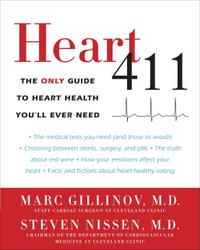
Heart Health 101 will be presented by renowned Cleveland Clinic heart experts Dr. Steve Nissen, Chair of the Cardiac Department, and Dr. Marc Gillinov, a recognized Cardiovascular Surgeon. Drs. Nissen and Gillinov, in addition to being accomplished physicians, are the authors of Heart 411-The Only Guide to Heart Health You'll Ever Need, released this month to coincide with Heart Month.
 
As an added incentive we are giving away autographed copies of Heart 411. We will be sending copies of the book to the first 5 people who post a heart health question or tip on our Facebook wall and share our webinar link with their friends.
 
Heart Health 101 kicks off our Home Care Assistance Healthy Longevity Series. We believe in empowering people to be proactive and informed when it comes to their health. Our Healthy Longevity Webinar Series brings experts from a diverse spectrum of health and wellness fields to both our clients and the broader community in an engaging and informative format. The webinars are offered for free to the public as part of our broader education initiatives. Be sure to check our website frequently for updates on upcoming webinars, educational initiatives and company announcements!


Home Care Assistance offers the highest quality 24/7 live-in home care in the Region of Halton (Oakville, Burlington, Halton Hills, and Milton), Region of Peel (Mississauga, Brampton and Caledon), Hamilton and surrounding areas.

Healthy foods: beets

What is it? If you think of beets as just some goopy food plopped out of a can at Thanksgiving, you might want to get to know beets a bit better. A beet is a three-in-one wonder vegetable: You can eat the green leaves, the stalk, and the recognizable knob-shaped beetroot - not a bit need go to waste! Though the deep reddish-violet variety of beets is most common, they also come in white, gold, and other colours. Cultivated for use in soups (Russian borscht, for instance), salads, or as a natural sugar source, beets are affordable, highly nutritious veggies that are available year-round.
What is it good for? Beets are versatile, low in calories, naturally sweet, and packed with nutritional B-enefits. Beets are full of folate, a B vitamin crucial to healthy cell growth, especially during pregnancy. Two more B's abundant in beets:betacyanin, a pigment that is a potentially powerful antioxidant, and betaine, a heart-protective nutrient. Beets are also a great source of fibre.
What does it taste like? At first sight, beetroots look rough and dirty, dusty from their time underground. But bite into a beetroot, and you may be surprised by how sweet it tastes. In fact, beets contain the highest natural sugar content of all vegetables. Eaten raw, beetroot is crunchy, but turns soft when cooked. The greens of a beet taste similar to other greens, such as chard or spinach, while the stems take on more of the sweet beetroot taste. When buying beets, look for those that have stems and leaves still attached, so you can take advantage of the entire nutritious vegetable. Look for beetroots that are smooth, unspotted, on the small or medium side, with firm roots and a deep, rich colour. You can enjoy beets raw and grated over a salad. Or you can marinate, steam, or roast them with the skins still on - though cooking may diminish some of a beet's antioxidant power. Cooked beets can be used in side dishes, main dishes, soups... The leafy greens can be sautéed with olive oil and herbs, and the stalks can be cooked right along into a pasta sauce or stew. Be warned, but don't be alarmed: If you eat too many beets, you may notice a change to the colour of your urine!
Amy Toffelmire
http://bodyandhealth.canada.com/channel_section_details.asp?text_id=4980&channel_id=10&relation_id=43676 

Home Care Assistance offers the highest quality 24/7 live-in home care in the Region of Halton (Oakville, Burlington, Halton Hills, and Milton), Region of Peel (Mississauga, Brampton and Caledon), Hamilton and surrounding areas.

Running Up New Times for Seniors


By Jean Sorenson


BJ McHugh stretches after a run. Photo by: Jean Sorenson
Betty Jean “BJ” McHugh challenges today’s concept of aging and the elderly. The 84-year-old North Vancouver running legend, dubbed the fastest senior in the world, has just finished the James Cunningham Seawall 9.5-kilometre road race clocking in at 62 minutes. 

“I thought it was a terrible time,” says BJ, who has been running since her 50s and has set some 30 world records for marathons, half-marathons, and shorter races. But, the time was good enough to earn her first place in the age-graded runners’ category. She acknowledges that age has taken its toll on her times. She once ran the 9.5 kilometre James Cunningham Seawall Race - a favourite with runners in Halloween costumes - in 43 minutes and 52 seconds in 1979, three days before her 52nd birthday. 

But as she runs - with other elite senior runners such as the 100-year-old Fauja Singh, who holds world records for his age category in eight different distances, including the Toronto Marathon, and Vancouver’s 74-year-old Rod Waterlow who ran the Vancouver 2011 Fall Classic half-marathon in one hour and 46 minutes - BJ makes society question seniors’ capabilities. And, opens new horizons. At age 80, she set a new world record at the 29th Royal Victoria Marathon. 

When she first started running, there were no age categories. Today, races have not only a winning time for the fastest runners, but runners are broken into age brackets of five or 10 years. In addition, runners are handicapped according to age using a computer formula, which determines overall performance. In the Cunningham race, BJ’s age-graded performance outranked more than 900 other racers that day putting her at the top of the podium.  

BJ’s “running times” are chronicled in a new book My Road to Rome co-authored by her and CBC reporter and runner Bob Nixon, who first met BJ three years ago when a note about her came into the television studio. He subsequently reported on her invitation by the Rome Marathon organizers to run the 26-mile course. 

“I could not get her out of my mind,” says Nixon, “not just because she was such a remarkably lively and fun person to interview, but also because I discovered that her world marathon record as an 80-year-old was faster than I had run the same course when I was in my 30s. I had never met anyone that age who was so fit.” 

The CBC story grew into a book that tells the life of BJ, who was born in the small village of Stanwood, Ontario. She grew up on a farm and recalls adventures such as horse-drawn sled rides in winter to her grandparents’ home at Christmas, and follows her dream of nursing to a Toronto school. After graduation in Toronto, she moved to Vancouver to work as a nurse, where she met her husband Robert, a car salesman, who landed in her hospital ward.

BJ laughs because she is not the only nurse to meet her husband as a patient. One day, while working out at the gym, a nurse stopped by to tell her how much she had enjoyed the book. “We both have something in common,” quipped the nurse. “We both met our husbands in bed.” 

BJ’s story is full of urban family life - such as the rigours of manually defrosting fridges, sewing new dresses for social events and the kids, seeing her daughter Jennifer off to sporting events, swim meets, training sessions and finally the 1972 Olympics, and outfitting the family for skiing trips to the North Shore mountains. BJ’s recounts are far from dull as she delves into the fabric of life. Nixon says she describes those new ski pants of the ‘70s as “so tight that if a woman put a dime in the pocket you could tell if it was head or tails” and “the whole book is dotted with such McHugh gems.” 

Throughout the story, her four children and husband are focal points of her life. But, after finding tennis hard on the body, unable to ski during summer and with the children flying from the nest, she sought out a new sport - running. It turned into a passion and led to record-smashing performances.       

Today, BJ says she never set out to smash any records, although the records started falling as she entered races. She continues to run for the pure joy of the sport and, along the way, has developed a group of friends that are as foundational as her sneakers. She doesn’t wear a runner’s watch but marks time with a stopwatch, nor does she worry about pace or the distance she has run. She also doesn’t use a heart monitor. “I know my body,” she says, adding that really is what she listens to when she is running in or out of a race. 

She also doesn’t follow a special diet, like many runners who are vegans or vegetarians, nor takes dietary supplements. Instead, she cooks regular meals, although she does watch what she eats, especially near a race date; she suffers from a mild form of irritated bowel syndrome. Her big meal is breakfast - fruit, oatmeal and a bagel.    

Regularly running with a group of women starting out at around 6 a.m. three times a week for an hour, she runs a fourth, longer run on Saturday mornings and can last up to three-and-a-half hours, if a marathon is beckoning. She cross-trains with cycling, lifts weights in the gym, and practises yoga.  

BJ credits her group of friends - all younger - as her inspiration. Having younger friends is important as one ages, she feels, as they keep her active. “It’s hard to stay in bed when you have friends waiting - even if it is raining outside,” she says. They also provide a source of energy, optimism and humour. 

At the crack of dawn, they are a noticeable crowd, chattering down the street. She tells of one North Vancouver resident, who obviously rolled out of the wrong side of the bed to set out his garbage, turning to the noisy group and said: “Why don’t you girls shut up!” Then, there was the morning when an owl swooped down and tried to wing off with the ponytail of a running buddy.   

The group works as a team planning events, booking hotels and airfare. “I’m really quite spoiled,” says BJ about the group cheering her accomplishments at events. But, they celebrate their victories together. “Thirteen of us ran the [2011] Chicago Marathon,” she says, adding that all completed the course to take home finisher’s medals. 

BJ has not come through the record books unscathed. Husband Robert, long a support member for her and friends at the events, and the family’s main breadwinner, fell 23 years ago on a sidewalk curb, hit his head and sustained brain trauma. Through his decline into dementia, and financial difficulties, BJ tells in her book how she continues to run and stay by the side of the man she calls “the great love of my life.” 

BJ has also sustained numerous injuries: she once tripped over her dog as it darted out to catch a squirrel and injured her shoulder, which required surgery. Her running buddies came to the rescue during her convalescence and ran over dinners for her and Robert, adding the occasional bottle of wine. What comes from BJ’s life is not being down, but getting back up.    

As she ages, BJ continues to open new doors for runners, as race organizers have to add new age categories to accommodate more seniors entering road racing. Nixon says that what has intrigued him as a journalist in his 50s about BJ is her “secret” to aging as he found himself facing that “slippery slope” of declining health expected in old age. But, here is BJ healthy at 80. And she doesn’t see any mystical fountain of youth; running is part of her active lifestyle. Her book sets out 10 life lessons in the last chapter, including “think young” and “don’t just get into shape - BE in shape by being active.”    

She plans to take that perspective into the Honolulu Marathon in December 2012. She has two daughters, Jennifer (the Olympic swimmer) and Jillian, and two sons, Brent and Gyle. They all run or have run, but son Brent competes in marathons. 
“My granddaughter Ava wants us to do a three-generation run in Honolulu,” says BJ, an event that takes place a month after her 85th birthday.

BJ’s optimistic she will make it, but quips, “At my age, you don’t buy green bananas.”


JANUARY 2012 SENIOR LIVING MAGAZINE VANCOUVER & LOWER MAINLAND

Home Care Assistance offers the highest quality 24/7 live-in home care in the Region of Halton (Oakville, Burlington, Halton Hills, and Milton), Region of Peel (Mississauga, Brampton and Caledon), Hamilton and surrounding areas.

New Study: Seniors Need Better Dental Health Care

By Charmaine Gooden
Seniors in Ontario, especially women, are not visiting the dentist regularly, increasing their risk of developing serious oral health and chronic illnesses, says a study released by Women’s College Hospital and the Institute for Clinical Evaluative Sciences (ICES). The study shows that 45% of Ontarians 65 years and older did not see a dentist in the last year. This seems to be a greater challenge for who make up the major portion of Ontario’s senior population. Tooth decay and gum disease have been linked to an increased risk for heart disease, stroke, bone loss, and even some types of cancer. Regular dental checkups may reveal early warning signs of many diseases. Even though Canada has universal healthcare, dental visits are not covered by the government.
“Poor oral health can contribute to many serious medical conditions and affect a person’s ability to chew and digest food properly, leading to inadequate nutrition,” explains Dr. Arlene Bierman, principal investigator of the study. “With dental services not covered under our universal health-insurance program and many older adults not visiting dentists regularly, the findings suggest we need to rethink the services we provide to help keep seniors healthy as they age.” Researchers suggested that more preventative methods be made to ensure that the older population is getting the dental attention they need.
http://www.zoomermag.com/health/new-study-seniors-need-better-dental-health-care/29655 
Home Care Assistance offers the highest quality 24/7 live-in home care in the Region of Halton (Oakville, Burlington, Halton Hills, and Milton), Region of Peel (Mississauga, Brampton and Caledon), Hamilton and surrounding areas.

10 habits for a heart healthy lifestyle

ARTICLE BY: ELIZABETH ROGERS

/thumbs/?width=250&img=http%3A%2F%2Fwww.50plus.com%2F%2Fwp-content%2Fuploads%2F%2FAPHappyCyclists.jpg
Heart disease is a top killer worldwide -- but our lifestyle choices can go a long way toward reducing our risk. In honour of World Heart Day in September, we round up the basics to living well.
It may be the strongest muscle in your body, but your heart is still vulnerable to disease. Each year, cardiovascular disease claims over 17 million lives around the world. By 2030, that number could reach 23 million, according to the World Heart Federation. It’s one of the top causes of death worldwide — even in countries that have access to health care and prevention.
Medicine has come a long way preventing and treating cardiovascular disease and saving lives, but we have to do our part too. Lifestyle choices can make a difference in how long and how well we live.
Here’s what experts say we should be doing to live a heart-healthy lifestyle.

Enjoy a healthy diet

We often hear that this or that food is good for the heart, but you don’t need to load up on super foods. Experts still say the best way to get those beneficial good fats and essential nutrients is through eating a healthy and varied diet. Eating well shouldn’t feel like deprivation with heart healthy foods like salmon, nuts, olive oil, legumes, lean meats and low-fat dairy. Foods that are high in fibre also help lower cholesterol.
And dare we say eat more fruits and vegetables? They’re packed with essential vitamins and nutrients we need for good over all health — like antioxidants, beta carotene and vitamin C, to name a few.
We know what foods shouldn’t be staples in our diet: bad fats (like saturated fats and trans fats), processed foods and foods high in sugars and salt. These foods can contribute to weight gain, unhealthy cholesterol levels, glucose intolerance and chronic inflammation in the body — all of which take a toll on the heart.
 (For more information, see 6 keys to healthy eating and Top foods your heart will love for ideas.)

Drink in moderation (if at all)

While some studies have shown that alcohol — particularly red wine — offers some small heart protective benefits, but experts advise caution. Consuming too much alcohol can increase heart risk and contribute to weight gain, liver disease, chronic inflammation and other conditions.
How much is too much? For some people there is no safe amount — like if you’re taking certain medications or have certain health conditions. Otherwise, guidelines recommend no more than one or two standard drinks per day to a limit of nine per week for women and 14 for men. However, experts don’t recommend starting drinking as a prevention strategy. (For more information, see the Heart and Stroke Foundation’s advice.)

Get active (and stay active)

Exercise has many benefits for the heart– such as lowering blood pressure, helping control blood sugar levels, maintaining a healthy weight, reducing stress and increasing good cholesterol levels. Experts estimate that people who aren’t currently active can cut their risk of a heart attack by as much as 35-55 per cent simply by getting more exercise.
http://www.50plus.com/lifestyle/10-habits-for-a-heart-healthy-lifestyle/131277/
Copyright 2011 All Rights Reserved - ZoomerMedia Limited.

Home Care Assistance offers the highest quality 24/7 live-in home care in the Region of Halton (Oakville, Burlington, Halton Hills, and Milton), Region of Peel (Mississauga, Brampton and Caledon), Hamilton and surrounding areas.

Canada's new and improved food guide


If we have kids at home, we may have seen the little angels bring home a copy of Canada's Food Guide from school. Some of us are reminded of it when we walk into the doctor's office. And at the very least, the rest of us vaguely remember what the Food Guide looked like from nutrition and phys ed classes in elementary school - with fruits and vegetables, meats and cheeses, all lined up neatly on the rainbow-coloured illustration. But there is more to this Food Guide than just a memory or a picture, especially since a new version came out in early 2007.

This guide, the first new version in 15 years, was a long time coming, especially given the fact that so much in the science of nutrition and health has changed. For example, in 1992, we didn't know as much as we do now about trans fats or the importance of extra vitamin D for people over the age of 50. We've also seen foods from many more cultures show up in supermarkets - first displayed on one shelf and now filling entire aisles.

The Food Guide has been completely updated to take into account all these changes in what we eat and what we know. It also has a new name: Eating Well with Canada's Food Guide (the 1992 version was calledCanada's Food Guide to Healthy Eating). There are lots of tips on how to make healthy eating a complete experience, with interactive tools to help you get comfortable with serving sizes and to learn about the different food groups. And you will probably be pleasantly surprised to find that more of the foods people from different cultures eat every day are now part of the rainbow.

Getting more specific and friendly

The new guide outlines more specific and friendly eating strategies, which feature the following:
  • Updates on the 4 food groups: The 4 food groups are still the same: vegetables and fruit, milk and alternatives, meat and alternatives, and grain products. But now vegetables and fruits replace grain products in the outer ring of the rainbow, emphasizing larger portions of this food group over grain products.
  • Portion sizes and servings: Serving sizes have been revised with narrower, more specific age ranges (e.g., children 2 to 3 years of age are now included), and further broken down to female and male portions of all age groups.
  • Advice for different groups: Specific advice is given to different groups of people (e.g., children should eat nutritious foods and include some choices that contain fat, such as peanut butter and avocado; all women who could become pregnant and those who are pregnant or breast-feeding need a multivitamin containing folic acid every day; and individuals over 50 should include a vitamin D supplement in their diet), and advice is given to limit salts, sugars, and processed foods.
  • Oils and fats: Recommendations include a small amount of unsaturated fat each day (30 mL to 45 mL, or 2 to 3 tablespoons), and to select unsaturated vegetable oils such as canola, flaxseed, and soybean over butter, hard margarine, lard, or shortening.
  • Beverages: Water is recommended as the drink of choice, flavoured with lemon, lime, or orange wedges, and milk and 100% fruit juices are suggested in place of soft drinks, punches, or alcohol.
  • Details on serving sizes: More detailed examples are given on how to measure one serving size (e.g., 1 slice of bread, ½ a bagel, and ½ a pita are one serving each).
  • Culture-specific foods: New food items and their appropriate portion sizes are now included in the new guide, such as bok choy, lychee, and naan, recognizing that Canadians eat a variety of different foods to meet their daily nutritional needs.
  • Physical activity: Exercise and fitness are also emphasized in the new Food Guide, with directions on how much and how often you should exercise.
Overall, the guide highlights a holistic and balanced approach to healthy eating, and emphasizes the importance of incorporating exercise into daily activities. As you get increasingly familiar with the Food Guide, you will be able to make healthier eating choices for yourself and your loved ones, while slowly phasing out foods that have little or no nutritional value.
In addition to the updated guide, Health Canada also launched the first-ever national Food Guide for First Nations, Inuit, and Métis. This supplemental food guide specifically addresses the nutritional practices for First Nations, Inuit, and Métis and it should assist Aboriginal communities and Northerners in making informed healthy choices, while respecting their traditional way of life.

How do I use it?

Manoeuvring around the Food Guide might be a little confusing if you are a first-time Food Guide follower. But do not despair. There are tools and tips that the guide offers to help you decide and plan your meals around your specific needs - even around the needs of each family member. You can also check out the various sample menus for the family, which cater to different individuals at home.
Eating Well with Canada's Food Guide helps you learn how to:
  • read the labels on food items
  • plan your meals
  • add up your serving portions
  • keep track of what you eat
  • restrict unhealthy foods
The guide also offers tips for:
  • shopping for the right foods
  • snacking wisely
  • dining out
  • keeping fit wherever you are
  • beating obstacles that keep you from eating well
Health Canada and the Dietitians of Canada have collaboratively put together a few interactive tools that you may find useful in keeping up with healthy eating:
  • My Food Guide allows you to create your own food guide based on your food choices and preferences.
  • EATracker helps you compare whether what you are eating meets the recommendations of the Food Guide.
  • Let's Make a Meal contains a built-in Food Guide calculator that allows you to calculate serving portions based on your personal meal plans.
You can get the full version of the new 2007 Eating Well with Canada's Food Guideat www.hc-sc.gc.ca. Canada's Food Guide is now available in 12 languages.

Going beyond the guide

Canada's Food Guide has a long history going back to its roots in 1942, when the first guide, then titled Canada's Official Food Rules, made its debut - a national effort born of a need to educate Canadians on food portions during the lean wartime years.
Times have since changed, and the updated Food Guide reflects the evolving health needs of Canadians. Of course, there is always room for improvement, and feedback is already trickling in. For example, suggestions have been made to include daily caloric intakes and trans fat targets.
Eating Well with Canada's Food Guide is more than just a few pages filled with serving portions and calorie counts. It also represents a collective venture to reduce the occurrence of type 2 diabetes, cardiovascular disease, certain cancers, and stroke. The risk of these conditions is increased by eating poorly and being inactive.
There is a lot to be said for eating well and staying fit. And you can start by getting a free copy of your Food Guide today.


Home Care Assistance offers the highest quality 24/7 live-in home care in the Region of Halton (Oakville, Burlington, Halton Hills, and Milton), Region of Peel (Mississauga, Brampton and Caledon), Hamilton and surrounding areas.

Taking care of a pet can improve your health

A dog may be more than just a best friend – research is suggesting the importance of a pet as a means for treatment.

According to aarp.com, 62% of Americans own a pet for the companionship, love and affection that these animals afford them. While these benefits are great, numerous studies are reporting actual health benefits associated with owning a furry friend.

Here are a few ways in which pets can improve your health:
  • Pets help recovery from heart attacks – A study from the National Institutes of Health found that dog owners had a higher survival rate after a heart attack, compared to those who did not own dogs.
  • Pets help reduce stress…more so than humans do.
  • Pet owners are less obese – Pet owners are more active, simply because they want their pets to stay active and healthy as well.
  • Pet owners have better mobility as they age – a National Institutes of Health study found that adults aged 71-82 who regularly walked their dogs were more mobile, compared to those who did not own pets.
  • Pets can help with cholesterol – The Centers for Disease Control and Prevention states that owning a pet can decrease cholesterol, triglycerides and blood pressure.

There are so many different pet options out there for everyone. If you are not a cat or dog person, try getting a fish or other small animal. It will be great for your health and happiness!

Courtesy of CareNotes: The Home Care Newsletter

Home Care Assistance offers the highest quality 24/7 live-in home care in the Region of Halton (Oakville, Burlington, Halton Hills, and Milton), Region of Peel (Mississauga, Brampton and Caledon), Hamilton and surrounding areas.

6 signs that your cough could be more than just that

Many of us cough periodically throughout the day and don’t think anything of it. But, a cough can be more serious than you think. An article on caring.com shares six important questions to ask yourself or a loved one, to figure out if there may be more to your cough than meets the eye:

1. How long has the cough been going on? A cough may occur for various reasons – a blocked airway, the common cold, or more a serious underlying disease – and it may last anywhere from a few hours to a few weeks. If a cough lasts over eight weeks, it is considered “chronic” and should be treated. Most of the time, when the problem is treated, it will go away.

2. When does the cough occur? Seasonal allergies can cause coughing at certain times during the year. Nerves can cause habitual coughing before you speak and even sometimes, the body will cough involuntarily, which can be a sign of an underlying disease. Taking certain medications can also cause coughing, but will usually go away once the body adjusts to the medication.

3. Is the cough productive – meaning, do you produce anything when you cough? Cough production can range from absolutely nothing to greenish phlegm to bloody mucus. Usually, the more colorful the result, the more serious the cough. Consult your doctor if you see greenish phlegm. It can be an indication of a bacterial disease. Blood-streaked mucus can also indicate pneumonia, tuberculosis, or other serious diseases.

4. What does the cough sound like? A wheezy cough can be a sign of asthma and a loud, barking cough occur in smokers. And a “whooping” sound can indicate a very severe and persistent cough called the “whooping cough.” Adults over the age of 65 and small children are more susceptible to this kind of cough and are advised to get boosters in order to protect them from the disease.

5. Do you experience other symptoms along with the cough? Symptoms to look out for include, but are not limited to, fever, shortness of breath, chest pain and heartburn. These can be signs of another underlying disease that may require additional treatment.

6. Now what? If a cough is persistent, or if you feel that the symptoms are abnormal, always check with a physician. They will be able to determine if your cough is more than just a cough.

By Dr. Kathy Johnson
Source: Home Care Blog

Home Care Assistance offers the highest quality 24/7 live-in home care in the Region of Halton (Oakville, Burlington, Halton Hills, and Milton), Region of Peel (Mississauga, Brampton and Caledon), Hamilton and surrounding areas.


Converted by Ritesh Sanap | Sponsored by Downloaddeck.com Powered by Giant Themes