We would like extend a warm thank you to everyone for taking time to respond to the information gathering survey we sent out recently; the survey was a wonderful way to learn more about the topics and issues that are of most interest and relevance to our subscribers. We had an overwhelming response and hope that those first 100 respondents have enjoyed their Starbucks e-gifts! Based on the survey, one of the leading reasons subscribers join our mailing list is to get more information on the topic of caring for an aging parent or other loved one. Inspired by your feedback, we are hosting our second free public webinar in the Home Care Assistance Healthy Longevity Webinar Series: Caregiver Burnout and How to Protect Your Health.
The webinar will be held on Tuesday, May 1st at 11 AM Pacific, 2 PM Eastern, and will be presented by prominent psychiatrist Dr. Jennifer Hoblyn, Chief Medical Officer of eTherapi and Professor at the Stanford School of Medicine. The webinar will not only explore the challenges that family and professional caregivers experience, but will also provide practical information and tips that caregivers can incorporate in their own lives to improve their health and quality of life. Space is limited, so make sure to reserve your seat as soon as possible.
In addition to the webinar, Home Care Assistance is also promoting awareness of caregiver burnout and stress through community outreach and education. The premise driving the educational initiative is that individuals who are informed about the challenges associated with caregiving are more likely to engage in healthy practices to protect their own quality of life. If you are currently caring for a loved one, please go through our Caregiver Burnout Checklist to better understand the impact of caregiving on your life. With 75 million adults in North America caring for an elderly, chronically ill or disabled family member and the vast majority of these individuals also raising children and holding down full-time jobs, it’s important to know the signs of caregiver burnout and become knowledgeable about prevention. By increasing awareness around the topic of caregiver burnout we hope to empower individuals that provide care to others to take the steps necessary to promote their own mental and physical health. Start protecting your health today by registering for our free public webinar: Caregiver Burnout and How to Protect Your Health.
- Home Posts filed under Health communication
Caregiver Burnout and How to Protect Your Health
Living to 100 or more may be a matter of the lifestyle choices you make.
Living to a healthy and happy ripe old age, may not be a matter of genetic predisposition or just dumb luck. A study is published in the June 2001 American Journal of Psychiatry, the monthly scientific journal of the American Psychiatric Association that points to personal choice as being the defining factor in determining a person's longevity.
This study tracked the physical and mental health of 724 men over a 60-year period beginning in 1940. It contrasted the mental and physical health status of 268 Harvard sophomores with that of 456 socially disadvantaged inner-city adolescents. Physical exams were conducted every five years, and psychosocial exams were conducted every two years.
The study identified seven factors that appeared to predict successful aging: moderate alcohol use, no smoking, a stable marriage, exercise, appropriate weight, positive coping mechanisms, and no depressive illness. Depression was the only factor that affected the quality of aging which was beyond individual control.
The researchers found that the health of the inner-city men declined more rapidly than did the health of the Harvard men; their health status at age 65 matched that of the Harvard men at age 75. However, the health of 25 inner-city men who obtained a college education declined at the same rate as the Harvard group. The investigators concluded that education - not money and social prestige - made the difference. Education appeared to give these men the resources they needed to make better lifestyle choices and to therefore maintain health and happiness for a much longer time.
Other studies, not as extensive in their scope have also pointed to higher levels of education and active involvement in a loving family relationship as being the greatest determining factors in longevity.
Life expectancy has been extended in the US for the most part due to the eradication of many infectious diseases, improved early diagnostic technologies and medication advancements. Unfortunately many unwise lifestyle choices have made those extended years more difficult and costly. This translates into more years of expensive medications, assisted living and direct medical costs. These studies have shown that positive lifestyle choices can make these extended years both healthier and healthier.
What does this mean to you and to me for that matter? It means that to a great extent the choices you make now and in the future will determine how long you live and in what state of health. Here are the factors that were found to affect longevity and some strategies for helping to make the right choices for health and happiness. Click on the links to go to the About sites that have lots of great information on making the right lifestyle choices.
Moderate Alcohol Intake1
While several studies over the past few years have shown that moderate alcohol intake may help to protect against heart disease the optimal word is moderate. Excessive alcohol intake can lead to liver damage, drug interactions and injury. If in doubt avoid alcohol to prevent any drug interactions.
No Smoking
Smoking contributes to heart disease, circulatory problems and can cause emphysema and lung cancer. If you smoke quit!
Exercise
Experts recommend 30 minutes of moderate exercise daily for most people. The exercise can be as simple as walking, jogging or biking. All exercise programs should include a weight bearing exercise to help keep bones strong.
Appropriate Weight
Obesity is becoming a problem of epidemic proportions. Moderation in food intake is the most sensible way to maintain weight in the ideal range. Overweight can contribute to heart disease, diabetes and joint problems.
Positive Coping Mechanisms
Learning how to control stress and deal with anger and change are also choices one can make to improve quality of life. Disciplines such as Yoga and Meditation are excellent ways to slow down and relax. We live in a stressful world, but we can learn to cope.
Stable Marriage
A good marriage is no accident, it takes work and commitment. Studies have shown that happily married people have less heart disease. If you are having problems in your marriage see a counselor. If the problem lies with sexual dysfunction, see a physician who can diagnose and possibly recommend a treatment. If your spouse has died, try to stay socially active in your church or community. Good friendships can develop and fill in the gaps in one's life.
Depressive Illness
Developing depression is not a lifestyle choice but seeking treatment if it develops and following treatment recommendations is. If you feel blue, with decreased energy or initiative you may be depressed and should seek help from your physician.
Sources:Vaillant,George E., M.D. and Mukamal,Kenneth , M.D. "Successful Aging"; American Journal of Psychiatry8June 2001 158: 839-847
http://seniorhealth.about.com/od/prevention/a/longevity_choic.htm
This About.com page has been optimized for print. To view this page in its original form, please visit: http://seniorhealth.about.com/od/prevention/a/longevity_choic.htm
©2012 About.com, Inc., a part of The New York Times Company. All rights reserved.
Heart Health 101, free public webinar : Update
Home Care Assistance offers the highest quality 24/7 live-in home care in the Region of Halton (Oakville, Burlington, Halton Hills, and Milton), Region of Peel (Mississauga, Brampton and Caledon), Hamilton and surrounding areas.
Healthy foods: beets
Home Care Assistance offers the highest quality 24/7 live-in home care in the Region of Halton (Oakville, Burlington, Halton Hills, and Milton), Region of Peel (Mississauga, Brampton and Caledon), Hamilton and surrounding areas.
Ready for the Granny Flat?
Home Care Assistance offers the highest quality 24/7 live-in home care in the Region of Halton (Oakville, Burlington, Halton Hills, and Milton), Region of Peel (Mississauga, Brampton and Caledon), Hamilton and surrounding areas.
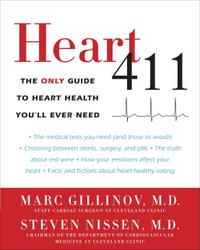
Heart Health 101, a free public webinar that highlights practical how-to tips for avoiding heart disease
- Heart disease is the leading cause of death in North America, accounting for almost 25% of mortalities. There is a heart related fatality in America every single minute
- Every year, almost one million Americans and Canadians will suffer their first heart attack. Another 500,000 individuals who have already had a heart attack will suffer another attack
- There are many health, exercise and diet related activities that can dramatically reduce the incidence of heart attack
Home Care Assistance offers the highest quality 24/7 live-in home care in the Region of Halton (Oakville, Burlington, Halton Hills, and Milton), Region of Peel (Mississauga, Brampton and Caledon), Hamilton and surrounding areas.
Study Shows Caregiving is One of the Most Stressful Occupations
Home Care Assistance offers the highest quality 24/7 live-in home care in the Region of Halton (Oakville, Burlington, Halton Hills, and Milton), Region of Peel (Mississauga, Brampton and Caledon), Hamilton and surrounding areas.
Five Reasons to Fit Fruit into Your Day
Home Care Assistance offers the highest quality 24/7 live-in home care in the Region of Halton (Oakville, Burlington, Halton Hills, and Milton), Region of Peel (Mississauga, Brampton and Caledon), Hamilton and surrounding areas.
The Burden of IBD in Canada
Why is that? Perhaps it is because people with Crohn’s disease (CD) and ulcerative colitis (UC) are reluctant to speak out about health issues that have been taboo in polite conversation. It’s time for that to stop. We need to bring this conversation out into the open and talk about a disease that strikes more than 9,000 new patients every year.
In addition to the direct expenses to the health care system, it is estimated that IBD incurs more than a $1 billion dollars every year in indirect costs. These include short and long-term work absences, productivity losses, caregiver work absences and patient out-of-pocket expenses related to care, nutritional products, medication and complementary therapies.
Beyond the economic impact, the emotional suffering inflicted by these chronic diseases is incalculable. Quality of life, career choices, sense of self-worth, intimacy and personal freedoms are all affected when someone develops IBD. Over and above those concerns, the risk of premature death for IBD sufferers is 47 per cent higher than the general public, and the risk of developing colorectal cancer is also elevated. Read more
Home Care Assistance offers the highest quality 24/7 live-in home care in the Region of Halton (Oakville, Burlington, Halton Hills, and Milton), Region of Peel (Mississauga, Brampton and Caledon), Hamilton and surrounding areas.
World Mental Health Day
Home Care Assistance offers the highest quality 24/7 live-in home care in the Region of Halton (Oakville, Burlington, Halton Hills, and Milton), Region of Peel (Mississauga, Brampton and Caledon), Hamilton and surrounding areas.
Climate change and your health
Climate change in a nutshell
How climate change may affect your health
The climate has changed. Have you?
- wearing sunscreen, hat, and sunglasses to protect your skin from UV radiation
- staying indoors during days of high smog, especially if you have medical conditions that can be affected by poor air quality (e.g., asthma)
- drinking lots of water during extreme heat warnings to prevent dehydration
- carry reusable shopping bags instead of plastic bags
- take public transit, carpool, walk, or ride a bike instead of driving your car
- invest in a safe, reusable water bottle instead of buying single-serving plastic water bottles
- turn off lights when you don't need them - switch to more efficient appliances, and shut them down when not in use
Home Care Assistance offers the highest quality 24/7 live-in home care in the Region of Halton (Oakville, Burlington, Halton Hills, and Milton), Region of Peel (Mississauga, Brampton and Caledon), Hamilton and surrounding areas.
September 2011 is the first World Alzheimer's Month
There are nearly 15 million Alzheimer’s and dementia caregivers providing 17 billion hours of unpaid care—valued at 202 billion dollars— annually. Caregivers are under tremendous physical and emotional strain, with over one-third of family caregivers reporting symptoms of depression.
Caring for a loved one with Alzheimer’s can be extremely difficult. The emotional toll of seeing a loved one slowly slip away can be significant. Given the serious nature of Alzheimer’s symptoms, including memory loss, wandering and hallucinations, around-the-clock care is often the only way to ensure the health and safety of individuals with Alzheimer’s. Most family caregivers who try to provide the necessary level of 24/7 care eventually feel overwhelmed and burned out.
If you find yourself in this situation, one solution is to arrange for respite care. This can include developing a weekly schedule of relatives, friends or neighbors who will fill in for a few hours to enable you to run errands or simply enjoy some leisure time with friends. Home Care Assistance specializes in Live-in Care through our dedicated team of screened, trained and insured caregivers.
Help us raise awareness for Alzheimer’s disease by changing your Facebook profile picture for a day to the Alzheimer’s Association “END ALZ” graphic that can be found here. While you’re on our Fan Page, we encourage you to share a link you find interesting or to leave a comment related to Alzheimer’s disease and how it has affected someone you care about.
Home Care Assistance offers the highest quality 24/7 live-in home care in the Region of Halton (Oakville, Burlington, Halton Hills, and Milton), Region of Peel (Mississauga, Brampton and Caledon), Hamilton and surrounding areas.
10 habits for a heart healthy lifestyle
Enjoy a healthy diet
Drink in moderation (if at all)
Get active (and stay active)
Home Care Assistance offers the highest quality 24/7 live-in home care in the Region of Halton (Oakville, Burlington, Halton Hills, and Milton), Region of Peel (Mississauga, Brampton and Caledon), Hamilton and surrounding areas.