Showing posts with label Prevention. Show all posts

Climate change and your health


On some days, you look out the window to check the skies for rain or snow. You stretch an arm out an open window to gauge the temperature or turn on the local news to find out the day's high. Day to day, the weather may decide your wardrobe or your route to work. Season to season, you may notice fluctuations from colds and flu to allergies and sunburns. But what about the climate and the overall quality of the weather over time? Can climate change impact your health?

Climate change in a nutshell

People use a lot of energy, and most of the energy we've used over the last century has been created through the burning of non-renewable fossil fuels. The fossil fuels we use - including the gas in our cars and the coal that still heats some homes - release carbon dioxide (CO2) into the atmosphere.
CO2 is also produced naturally by the environment and is an essential part of many natural processes, such as plant photosynthesis. CO2 is naturally regulated to keep the amount of it in balance between the atmosphere and the land and the ocean.
However, this CO2 and other greenhouse gases appear to be accumulating and trapping the sun's heat and radiation in the atmosphere. This increase of CO2 in the atmosphere is caused by the change in our climate: air and water temperatures have risen and weather patterns have begun to shift. Basically, we have managed to change the world's climate.

How climate change may affect your health

In the years to come, our world's climate will become warmer and more unpredictable. Climate change and global warming have been acknowledged by the World Health Organization (WHO) as a threat to human health, especially to those living in the poorest regions of the world.
The heat is on. Climate changes may bring about more frequent heat waves and the health problems that accompany extreme heat: heat stroke, dehydration, respiratory problems, and cardiovascular distress. With hot, dry conditions, some areas of the world may see more droughts and depleted crops, which would contribute to hunger and malnutrition. In urban areas, extreme heat can worsen smog and pollution. Unpredictable shifts in temperature can take people by surprise. The very young, the very old, and the very frail, tend to be most negatively impacted by heat waves.
Rain and its runoff. Inconsistent patterns of rain could result in more frequent catastrophic hurricanes and flooding. Floodwaters can compromise water safety and become breeding grounds and transporters for any number of waterborne illnesses. Floodwaters contaminated with human or animal waste can trigger diarrhea outbreaks due to bacteria, as with cholera, E. coli, and typhoid, or from viruses like hepatitis A.
Bugs spreading bugs. Insects and other animals act asvectors (carriers) of infectious diseases that can be transmitted to people. As the climate grows warmer, mosquitoes, ticks, and other disease vectors spread into new territories and live for longer periods of time than they normally would. With longer lives and wider reach, these vectors have new and more numerous opportunities to transmit infections like malaria, Lyme disease, or dengue fever.
Pollen and other allergens. Climate shifts could also shift the growth patterns of certain plants. This becomes troublesome when those plants are irritants or allergens. Scientists have noted proliferations of stronger, more abundant poison ivy, ragweed, and earlier onset of pollen season.

The climate has changed. Have you?

The climate is the context in which we live, and it's impossible to escape it. It also feels like the kind of thing over which you have little control. While you can't cool a heat wave or pacify a surging hurricane, you can begin to turn the climate tide through your own individual actions.
Be a proactive weather watcher. You can tune in to the weather report for a forecast of the temperature and overall conditions. Will it rain? Do I need a jacket? Warnings and bulletins alert people of pending extreme weather events, like tornadoes, tsunamis, or floods. Additional forecasts and advisories can warn you of various day-to-day fluctuations in atmospheric conditions.
Keep an eye on the barometric pressure and wind velocity, as factors like these can impact your health. Many news forecasts will issue UV warnings to rate the strength of the sun's ultraviolet radiation on a given day. Pollen levels and air quality indexes warn of days with high smog, pollution, or allergen levels. On days with higher warning levels, you would know to take extra precautions to protect your health. Some of these include:
  • wearing sunscreen, hat, and sunglasses to protect your skin from UV radiation
  • staying indoors during days of high smog, especially if you have medical conditions that can be affected by poor air quality (e.g., asthma)
  • drinking lots of water during extreme heat warnings to prevent dehydration
Help those who need it. Those who have limited resources to adapt to climate changes and extreme weather shifts can fall victim to the elements. During extreme weather shifts, remember those in your area who may need extra support: the elderly, the homeless, or the economically challenged. Act on the behalf of their health and safety by making material or financial donations to help provide fans or air conditioning and cooling units during a heat wave, blankets or coats during an intense cold snap, or shelter after a catastrophic storm.
Think globally, act locally. As you move through your days and make choices, the wider world should stay in your thoughts. Even if you live in a big city and work all day in an office, you are part of the natural world. The small decisions you make each day impact everyone else, albeit in gradual, cumulative ways:
  • carry reusable shopping bags instead of plastic bags
  • take public transit, carpool, walk, or ride a bike instead of driving your car
  • invest in a safe, reusable water bottle instead of buying single-serving plastic water bottles
  • turn off lights when you don't need them - switch to more efficient appliances, and shut them down when not in use
Amy Toffelmire


Home Care Assistance offers the highest quality 24/7 live-in home care in the Region of Halton (Oakville, Burlington, Halton Hills, and Milton), Region of Peel (Mississauga, Brampton and Caledon), Hamilton and surrounding areas.

Heart disease: risk factors

In order to function properly, your heart needs a large and continuous stream of oxygen-enriched blood, which is supplied directly to your heart muscle through your coronary arteries. If your coronary arteries become clogged, blocked, inflamed, infected, or injured, the blood flow to your heart will be reduced, which can cause injury to your heart muscle and in turn lead to heart disease or cardiovascular disease (CVD). Some of the more common outcomes of heart disease include myocardial infarction (heart attack), angina (inadequate blood flow to the heart that can cause chest pain), and arrhythmias (abnormal heart rhythms).


General risk factors for heart disease

Those you can't change:
  • Family history: Genetic predisposition can play a role in the development of heart disease. Your doctor will want to know if you have a family history of heart disease.
     
  • Age: Wear and tear on your body is cumulative. The heart is no exception. The older you are, the more wear and tear your system will have and the greater the risk of your system not functioning as it did when you were younger.
     
  • Gender: Women after menopause and men over 55 years old are at greater risk of heart disease.
Those you can change:
  • Smoking: Smoking reduces the blood's oxygen level, injures artery walls, and raises your heart rate and blood pressure.
     
  • High-fat diet: Diets high in fat, especially saturated fats, increase the risk of fatty buildup in the arteries.
     
  • High blood cholesterol: Cholesterol is a fatty substance required by your body to make cells. But your body only needs a certain amount. High blood cholesterol can cause arteriosclerosis.
     
  • Physical inactivity: Regular exercise helps to strengthen your heart muscle and keep it in good working order.
     
  • Hypertension or high blood pressure:Hypertension means your blood is hitting too hard against your artery walls. High blood pressure can increase your risk of stroke, aneurysm, heart failure, heart attack, and kidney damage.
     
  • Obesity: Being significantly overweight or obese increases your blood pressure, causing your heart to work too hard on less oxygen, and it increases your risk of diabetes.
     
  • Stress: Stress increases your heart rate and blood pressure, which in turn causes damage to your arteries and heart.
     
  • Diabetes: Men with diabetes mellitus (high blood sugar) have 3 or 4 times the likelihood of developing atherosclerosis, resulting in angina, heart attacks, strokes, or peripheral vascular disease. Women with diabetes are at an even higher risk - probably 4 times that of non-diabetic women.

Written and reviewed by the MediResource Clinical Team

http://chealth.canoe.ca/channel_section_details.asp?text_id=1332&channel_id=10&relation_id=3914 
Home Care Assistance offers the highest quality 24/7 live-in home care in the Region of Halton (Oakville, Burlington, Halton Hills, and Milton), Region of Peel (Mississauga, Brampton and Caledon), Hamilton and surrounding areas.

Do you get enough calcium?

A total of 1.4 million Canadians or 1 in 4 women and 1 in 8 men over the age of 50 have osteoporosis. Osteoporosis refers to bone loss that causes "thinning" or weakening of the bones. Because bone loss occurs without symptoms, osteoporosis often goes unrecognized for many years until one or several fractures occur. Since bones are made primarily of calcium, eating calcium-rich foods helps keep bones strong. At the same time, it helps the heart, blood, and muscles work properly.


Other factors also affect bone strength, such as genetics, amount of weight-bearing exercise, and exposure to sunlight. Sunlight is necessary because it affects the level of vitamin D in the body, which helps the absorption of calcium.
Since the body can't make calcium, we have to get it from the food we eat.

Getting the most calcium from your food

The amount of calcium you absorb from the foods you eat depends not only on how much calcium is in the food, but on how easily it's absorbed (bioavailability), the amount of calcium already stored in your body, and what you eat with the calcium-rich food.
Many researchers say that the best bet for getting calcium is to eat dairy products like milk, yogurt, and cheese because they are high in calcium, and the type of calcium they contain is easily absorbed by the body.
Foods which contain oxalates or phytates, however, interfere with the body's ability to absorb calcium.
High-oxylate foods
  • Fruits:
    • blackberries
    • blueberries
    • citrus peel
    • Concord grapes
    • Damson plums
    • gooseberries
    • raspberries
    • red currants
    • rhubarb
    • strawberries
  • Vegetables:
    • amaranth
    • beet leaves
    • cassava
    • collards
    • leeks
    • okra
    • parsley
    • purslane
    • spinach
    • sweet potatoes
    • Swiss chard
  • Beverages:
    • beer
    • berry juices
    • coffee
    • cola
    • Ovaltine®
    • tea
  • Other foods:
    • almonds
    • chocolate
    • cocoa
    • peanuts
    • peanut butter
    • pecans
    • poppy seeds
High-phytate foods
  • barley
  • beans
  • bran and wheat cereals
  • corn chips
  • nuts
  • oats
  • rice
  • rye bread
  • sesame seeds
  • soybean meal
  • wheat bran
  • wheat germ
For example, ½ cup of cooked spinach has 122 mg of calcium, but the bioavailability of that calcium is close to zero because spinach is high in oxalates. If you rely on vegetables as your source of calcium, you should choose low-oxalate vegetables more often, such as kale, broccoli, bok choy, mustard and turnip greens.

How much calcium do you need?

Unfortunately, North American men and women aren't getting enough calcium.
In order to keep your bones healthy, get enough calcium every day and choose low-oxalate, low-phytate fruits and vegetables.
Recommended calcium
Age (years)Intake per day
1 to 3 500 mg
4 to 8 800 mg
9 to 18 1,300 mg
19 to 50 1,000 mg
Over 511,200 mg
During pregnancy and lactation, recommend calcium changes:
Age (years)Intake per day
under 191,300 mg
over 191,000 mg
The US National Academy of Sciences Institute of Medicine can provide more info on recommended intakes.

Calcium rich foods

The following chart lists the amount of calcium found in many common foods.
*add 100 mg for each portion of calcium-enriched milk or yogurt

Written and reviewed by the MediResource Clinical T
http://bodyandhealth.canada.com/channel_section_details.asp?text_id=1544&channel_id=10&relation_id=10999 
Home Care Assistance offers the highest quality 24/7 live-in home care in the Region of Halton (Oakville, Burlington, Halton Hills, and Milton), Region of Peel (Mississauga, Brampton and Caledon), Hamilton and surrounding areas.

Heart Health 101, free public webinar : Update

We are thrilled with the positive feedback we have received in response to last week’s announcement about our up and coming Heart Health 101 webinar. As a reminder, Heart Health 101 takes place on Friday, February 17th at 11am PST/2pm EST and will provide practical information and tips that you can apply in your daily life to maintain heart health.


If you have not done so already, please sign-up today because space is limited to the first 1000 registrants and we have already filled a large number of spots. We recommend this webinar for anyone who is interested in health and wellness topics, especially those with a personal or family history of heart disease.
 
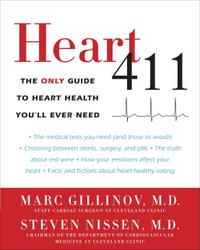
Heart Health 101 will be presented by renowned Cleveland Clinic heart experts Dr. Steve Nissen, Chair of the Cardiac Department, and Dr. Marc Gillinov, a recognized Cardiovascular Surgeon. Drs. Nissen and Gillinov, in addition to being accomplished physicians, are the authors of Heart 411-The Only Guide to Heart Health You'll Ever Need, released this month to coincide with Heart Month.
 
As an added incentive we are giving away autographed copies of Heart 411. We will be sending copies of the book to the first 5 people who post a heart health question or tip on our Facebook wall and share our webinar link with their friends.
 
Heart Health 101 kicks off our Home Care Assistance Healthy Longevity Series. We believe in empowering people to be proactive and informed when it comes to their health. Our Healthy Longevity Webinar Series brings experts from a diverse spectrum of health and wellness fields to both our clients and the broader community in an engaging and informative format. The webinars are offered for free to the public as part of our broader education initiatives. Be sure to check our website frequently for updates on upcoming webinars, educational initiatives and company announcements!


Home Care Assistance offers the highest quality 24/7 live-in home care in the Region of Halton (Oakville, Burlington, Halton Hills, and Milton), Region of Peel (Mississauga, Brampton and Caledon), Hamilton and surrounding areas.

Healthy foods: beets

What is it? If you think of beets as just some goopy food plopped out of a can at Thanksgiving, you might want to get to know beets a bit better. A beet is a three-in-one wonder vegetable: You can eat the green leaves, the stalk, and the recognizable knob-shaped beetroot - not a bit need go to waste! Though the deep reddish-violet variety of beets is most common, they also come in white, gold, and other colours. Cultivated for use in soups (Russian borscht, for instance), salads, or as a natural sugar source, beets are affordable, highly nutritious veggies that are available year-round.
What is it good for? Beets are versatile, low in calories, naturally sweet, and packed with nutritional B-enefits. Beets are full of folate, a B vitamin crucial to healthy cell growth, especially during pregnancy. Two more B's abundant in beets:betacyanin, a pigment that is a potentially powerful antioxidant, and betaine, a heart-protective nutrient. Beets are also a great source of fibre.
What does it taste like? At first sight, beetroots look rough and dirty, dusty from their time underground. But bite into a beetroot, and you may be surprised by how sweet it tastes. In fact, beets contain the highest natural sugar content of all vegetables. Eaten raw, beetroot is crunchy, but turns soft when cooked. The greens of a beet taste similar to other greens, such as chard or spinach, while the stems take on more of the sweet beetroot taste. When buying beets, look for those that have stems and leaves still attached, so you can take advantage of the entire nutritious vegetable. Look for beetroots that are smooth, unspotted, on the small or medium side, with firm roots and a deep, rich colour. You can enjoy beets raw and grated over a salad. Or you can marinate, steam, or roast them with the skins still on - though cooking may diminish some of a beet's antioxidant power. Cooked beets can be used in side dishes, main dishes, soups... The leafy greens can be sautéed with olive oil and herbs, and the stalks can be cooked right along into a pasta sauce or stew. Be warned, but don't be alarmed: If you eat too many beets, you may notice a change to the colour of your urine!
Amy Toffelmire
http://bodyandhealth.canada.com/channel_section_details.asp?text_id=4980&channel_id=10&relation_id=43676 

Home Care Assistance offers the highest quality 24/7 live-in home care in the Region of Halton (Oakville, Burlington, Halton Hills, and Milton), Region of Peel (Mississauga, Brampton and Caledon), Hamilton and surrounding areas.

Seniors and the flu

Seniors tend to be more prone to getting sick. They are more likely to have medical conditions that increase the risk of flu complications, such as heart disease, lung disease, diabetes, or a weakened immune system. For these reasons, seniors are more prone to flu complications. Seniors have a much higher risk of death from flu complications, and the risk increases with age. One study found that people 85 years or older were 16 times as likely to die of the flu and 32 times as likely to die from flu-related pneumonia as those aged 65 to 69. Seniors in long-term care facilities and nursing homes are at a particularly high risk of getting the flu and developing flu complications.
To reduce your risk of flu complications:
  • Take steps to prevent the flu. Your doctor may recommend a flu shot (to reduce your risk of the flu) and a pneumococcal vaccine (to reduce the risk of pneumonia, a common flu complication).
  • If you have flu symptomssee your doctor as soon as possible. If you or your loved one are living in a long-term care facility or nursing home and have flu symptoms, tell your resident care provider right away. Keep in mind that flu symptoms may be different for seniors; in particular, seniors may not have the sudden severe fever that is common in younger people. Your doctor may prescribe anantiviral medication, which can reduce the risk of complications, reduce symptoms, and shorten the length of illness if taken within 48 hours of the start of your symptoms.
  • If you are diagnosed with the flu, follow your doctor's instructions for flu treatment. If your doctor prescribes an antiviral medication, have the prescription filled as soon as possible, and keep taking the medication for as long as your doctor recommends to complete the full course of treatment. If you have other health conditions, continue to follow your doctor's treatment plan for these conditions.
http://bodyandhealth.canada.com/channel_section_details.asp?text_id=5760&channel_id=2113&relation_id=95916 

Home Care Assistance offers the highest quality 24/7 live-in home care in the Region of Halton (Oakville, Burlington, Halton Hills, and Milton), Region of Peel (Mississauga, Brampton and Caledon), Hamilton and surrounding areas.

Flu protection for yourself and others

The flu is a contagious infection. That means that everyone is at risk of catching it. To make matters more difficult, the flu is contagious a day before people experience symptoms, so they can spread the virus onto others without even knowing it.
The good news is that there are many simple things you can do to help prevent flu infection. This is especially important for people who are at risk of flu complications and more serious illness. Such people are also more likely to be hospitalized. At-risk people include children between the ages of 6 and 23 months, pregnant women, people with medical conditions, Aboriginal peoples, and people who are older than 65 years. See "Are you at risk?" for more information on at-risk groups.
This flu season, stay on top of your health by taking the following steps to prevent spreading the flu.
Avoid contact. Avoiding someone who has the flu is the most obvious way to protect yourself from the flu. This includes avoiding anyone who has flu-like symptoms while the person has symptoms and for at least 24 hours after the person's fever ends.
Wash your hands. Frequent hand-washing is a simple way to reduce the spread of the flu virus. Proper hand-washing means washing with soap and water for at least 20 seconds. Wash often: before and after eating, after using the washroom, after coughing and sneezing, after touching potentially-contaminated surfaces, and after being in a public place. Dry your hands using a clean cloth or paper towel and turn off the tap with the paper towel or cloth. When hands are not visibly dirty and soap and water are not available, alcohol-based sanitizers with at least 60% alcohol by volume are a good alternative. See "Handwashing 101" to learn more.
Watch where you cough, sneeze, and place your hands. The flu virus can enter the body through the mouth, nose, or eyes, so avoid touching your face with your hands. In addition, you should cough and sneeze into a tissue and dispose of the tissue immediately. If tissue isn't available, cough and sneeze into your arm, not your hand. Always wash your hands after coughing and sneezing.
Stay healthy. Your immune system needs all the strength it can get. Keep it strong by eating healthy meals and staying physically active.
Clean and disinfect. Since viruses can live on hard surfaces for up to 48 hours, common surface areas should be cleaned and disinfected regularly with household cleaners. Make sure you scrub down doorknobs, light switches, keyboards, computer mice, telephones, and remote controls.
Manage your medical condition. People who have chronic medical conditions should make sure they are managing them as well as possible. These people are at risk of flu complications. Follow all treatment options (e.g., medications, vaccines against certain diseases such as flu or pneumonia) as recommended by your doctor. If you are taking medications, make sure you have at least a 2-week supply at home so that you don't have to leave it to get more. Ask your pharmacy if they have a delivery service.
Stay home. Just as you wouldn't want others to infect you with the flu, you should stay home until your symptoms are gone if you do get sick. By staying home, you reduce the risk of spreading the virus to someone else.
If you do get the flu and you are at risk of complications, reduce the risk of complications by visiting your doctor as soon as you have symptoms. Your doctor can outline treatment options that will make recovery easier. Use the Doctor Discussion Guide to help you prepare for your visit to your doctor.
If someone in close contact with you, such as others living in the same household, gets the flu, you should consider seeing your doctor as soon as possible to discuss treatments to prevent the flu. For people at risk for flu complications, this is a good way to help prevent the flu. For more information on medications to prevent flu, see thenext section.


Home Care Assistance offers the highest quality 24/7 live-in home care in the Region of Halton (Oakville, Burlington, Halton Hills, and Milton), Region of Peel (Mississauga, Brampton and Caledon), Hamilton and surrounding areas.

Preventing bedsores

Bedsores (also known as pressures sores or pressure ulcers) are areas of damaged skin caused by staying in one position for too long. Constant pressure on certain areas of the body prevents sufficient blood flow to those areas. Since these areas are not supplied with essential nutrients, the tissue begins to die.
Bedsores most commonly occur where soft tissue is compressed between bone and an external surface. These bony areas include the tailbone, hips, heels, ankles, back, and elbows. Anyone who is immobilized due to illness, injury, or sedation, such as people who use wheelchairs or are paralyzed, is at risk for developing bedsores.
Bedsores can develop and get worse rapidly, and advanced sores take a long time to heal. If not treated right away, bedsores can lead to serious and life-threatening infections such as cellulitis (infection of connective tissue), bone and joint infections, and sepsis (bacterial infection of the bloodstream). Sepsis could then lead to organ failure and death.
Most bedsores can be prevented with the following strategies:
  • Change position. People who are bound to a chair or wheelchair should shift position every 15 minutes. Those who are confined to a bed should move (or be moved) to a new position every 2 hours, even during the night.
  • Keep skin clean and dry. Moisture increases the risk of skin breaking down. Bacteria from fecal matter can result in serious and life-threatening infections. For those confined to a bed, keep sheets clean and dry as well.
  • Protect bony areas. Use soft materials such as foam wedges to protect bony areas like the heels and elbows.
  • Use pressure-reducing beds, mattresses, or cushions. Examples include those filled with foam, air, gel, or water. Talk to a doctor or nurse about what is appropriate for you.
  • Perform daily skin inspections. Any sign of redness or discoloration indicates that your position should be changed. The area should also be washed and dried thoroughly, and, for open sores, covered with a protective dressing.
  • Get help at the first sign of infection. If you notice any skin damage or sign of infection (drainage, odour, redness, warmth), tell your doctor, nurse, or caregiver immediately.
  • Maintain proper nutrition. Good nutrition will promote wound healing and prevent skin from breaking down. If you are having difficulty eating, speak to your doctor or a dietician.
http://bodyandhealth.canada.com/channel_section_details.asp?text_id=5712&channel_id=10&relation_id=43676 
Home Care Assistance offers the highest quality 24/7 live-in home care in the Region of Halton (Oakville, Burlington, Halton Hills, and Milton), Region of Peel (Mississauga, Brampton and Caledon), Hamilton and surrounding areas.

Heart Health 101, a free public webinar that highlights practical how-to tips for avoiding heart disease


In honor of Heart Month in the United States and Canada, Home Care Assistance is excited to present Heart Health 101, a free public webinar that highlights practical how-to tips for avoiding heart disease and expert recommendations for individuals managing an existing heart condition or cardiac recovery.
 
  • Heart disease is the leading cause of death in North America, accounting for almost 25% of mortalities. There is a heart related fatality in America every single minute
  • Every year, almost one million Americans and Canadians will suffer their first heart attack. Another 500,000 individuals who have already had a heart attack will suffer another attack
  • There are many health, exercise and diet related activities that can dramatically reduce the incidence of heart attack
 
Heart Health 101 is presented by renowned Cleveland Clinic heart experts Dr. Steve Nissen, chair of the Cardiac Department, and Dr. Marc Gillinov, a recognized Cardiovascular Surgeon. Drs. Nissen and Gillinov, in addition to being accomplished physicians, are the authors of Heart 411-The Only Guide to Heart Health You'll Ever Need; released this past Tuesday to coincide with Heart Month.
 
The webinar will be held on February 17th at 11AM Pacific, 2PM Eastern. We recommend this webinar for anyone who’s interested in health and wellness topics, especially those who have a history of heart disease in your family. Space is limited to the first 1000 registrants, so make sure to reserve your seat today.

The book has been described as the definitive guide to heart health from two of America's most respected doctors at Cleveland Clinic, the leading hospital for heart health in America. Their book is a valuable resource for anyone interested in heart health that provides answers to common questions such as “Can a high stress job really lead to a heart attack?” and “What are the most important medical tests to run to check on heart health?” in an accessible way and provides useful health tips from which everyone can benefit.
 
"Good information is the key to good heart health, said Dr. Gillinov, Cardiac Surgeon at Cleveland Clinic. Myths and misinformation abound. Our mission is to arm people with real, evidence-based medical information that will empower them to ensure their heart health."
 
Heart Health 101 is part of a broader initiative to provide the public with free education and resources on healthy longevity. In addition to the webinar, Home Care Assistance is providing free copies of our Patient Guide to Cardiac Rehabilitation and Patient Guide to Post-Stroke Recovery. You can request these materials from any of our 75 locations across North America or visit our website for a free download. Stay tuned for more webinars from Home Care Assistance!


Home Care Assistance offers the highest quality 24/7 live-in home care in the Region of Halton (Oakville, Burlington, Halton Hills, and Milton), Region of Peel (Mississauga, Brampton and Caledon), Hamilton and surrounding areas.

Foot Care Info-Sheet for Seniors


Most people are born with healthy feet. But three out of four people develop serious foot problems as they age – putting their independence and well-being at risk. Healthy feet contribute to your safety and health. How?
  • Feet that are healthy and pain free help you keep your balance. Good balance can prevent falls, a major cause of injury and hospitalization; some falls result in disability or death.
  • Healthy feet also allow you to stay active. When your feet are too sore to walk, you lose strength and become at greater risk for falls. Walking is the perfect exercise to keep your weight down, prevent blood clots and keep your bones and muscles strong.
  • Keeping an eye on your feet can even give you an early warning about serious health problems such as diabetes, arthritis, nerve damage and poor blood circulation.

Basic Foot Care

Foot pain may keep you from enjoying life and staying active. Many foot problems can be avoided if you:
  • Check your feet every day. Don't wait until your feet hurt. Take a few minutes every day to look for cuts, blisters, bruises, sores, infected toenails or swelling. Use a small mirror if bending over is a problem, or ask someone for help.
  • Wash your feet every day. Use warm water. Don't soak them longer than 10 minutes, or your skin will get dry and start to crack. Dry well between your toes.
  • Keep your feet soft and smooth. Use unscented cream on the tops and bottoms of your feet if the skin is dry and cracked.
  • Wipe off excess cream and don't apply between your toes. Use talcum powder if your feet sweat a lot.
  • Wear comfortable shoes and socks. Many people have foot problems because their shoes don't fit, don't give proper support or don't have enough grip on the ground.

    Socks help keep your feet dry. Wear a clean pair every day. Avoid socks with ridges or an elastic at top; they can irritate or restrict circulation.
  • Be active every day. Walking is the best way to keep you, and your feet, healthy because you can do it anytime, anywhere – for free!

    To increase circulation, prevent cramps and keep your muscles in good shape, try these exercises:
    • while sitting, pick up marbles with your toes
    • while holding onto a table or chair back, get up on your tiptoes, then rock back to your heels, 20 times
    • while sitting, alternate pointing your toes toward your nose with pointing your toes downward; rotate your ankles in circles, first in one direction, then the other
  • Take care of your toenails. Cut or file your nails regularly with appropriate nail care tools. Trim them straight across and never shorter than the end of your toe
http://www.phac-aspc.gc.ca/seniors-aines/publications/public/age/info/foot-pied/index-eng.php

Home Care Assistance offers the highest quality 24/7 live-in home care in the Region of Halton (Oakville, Burlington, Halton Hills, and Milton), Region of Peel (Mississauga, Brampton and Caledon), Hamilton and surrounding areas.


Converted by Ritesh Sanap | Sponsored by Downloaddeck.com Powered by Giant Themes