Showing posts with label Health Care. Show all posts

Caregiver Burnout and How to Protect Your Health

We would like extend a warm thank you to everyone for taking time to respond to the information gathering survey we sent out recently; the survey was a wonderful way to learn more about the topics and issues that are of most interest and relevance to our subscribers. We had an overwhelming response and hope that those first 100 respondents have enjoyed their Starbucks e-gifts! Based on the survey, one of the leading reasons subscribers join our mailing list is to get more information on the topic of caring for an aging parent or other loved one. Inspired by your feedback, we are hosting our second free public webinar in the Home Care Assistance Healthy Longevity Webinar Series: Caregiver Burnout and How to Protect Your Health 
The webinar will be held on Tuesday, May 1st at 11 AM Pacific, 2 PM Eastern, and will be presented by prominent psychiatrist Dr. Jennifer Hoblyn, Chief Medical Officer of eTherapi and Professor at the Stanford School of Medicine. The webinar will not only explore the challenges that family and professional caregivers experience, but will also provide practical information and tips that caregivers can incorporate in their own lives to improve their health and quality of life. Space is limited, so make sure to reserve your seat as soon as possible. 

 
In addition to the webinar, Home Care Assistance is also promoting awareness of caregiver burnout and stress through community outreach and education. The premise driving the educational initiative is that individuals who are informed about the challenges associated with caregiving are more likely to engage in healthy practices to protect their own quality of life. If you are currently caring for a loved one, please go through our Caregiver Burnout Checklist to better understand the impact of caregiving on your life. With 75 million adults in North America caring for an elderly, chronically ill or disabled family member and the vast majority of these individuals also raising children and holding down full-time jobs, it’s important to know the signs of caregiver burnout and become knowledgeable about prevention. By increasing awareness around the topic of caregiver burnout we hope to empower individuals that provide care to others to take the steps necessary to promote their own mental and physical health. Start protecting your health today by registering for our free public webinar: Caregiver Burnout and How to Protect Your Health. 


Home Care Assistance offers the highest quality 24/7 live-in home care in the Region of Halton (Oakville, Burlington, Halton Hills, and Milton), Region of Peel (Mississauga, Brampton and Caledon), Hamilton and surrounding areas.

Heart Healthy Recipe: Eggplant Cannelloni‏

With heart disease as the leading cause of death and a major cause of disability, it's important to foster a diet that is low in saturated and trans fats and high in fiber and good fats such as omega-3s. To further maintain a healthy heart, keep a close eye on calorie consumption and engage in moderate exercise at least three times a week for 30 minutes or more.  
 
Before we share a delicious heart healthy recipe with you, here are a few nutrition basics from the Heart Association that will help benefit your mind, body and spirit. Make sure to read to the bottom of the recipe where we include a link to a recording of the recent webinar we hosted in conjunction with Cleveland Clinic heart experts!
• Eat nutritious foods from all of the food groups, including fruits and vegetables, whole grains, fat-free or low-fat dairy products and fish.
• Limit foods high in calories but low in nutrients; decrease your consumption of foods high in fat and limit cholesterol, sodium and sugar.
• Try baking, broiling, or grilling lean meats and fish, as these are healthier than frying or sautéing.


Eggplant Cannelloni

Ingredients
  • 1 tablespoon olive oil
  • 4 large shallots, sliced
  • 4 cloves garlic
  • 2 jars (12 ounces each) roasted red peppers, drained
  • Juice of 1 orange (about 1/2 cup)
  • 2 medium eggplants, cut lengthwise into 1/2-inch slices
  • Cooking spray
  • 4 ounces goat cheese
  • 4 kalamata olives, pitted and minced
  • 1 teaspoon capers, chopped
  • 2 tablespoons chopped fresh parsley
Preparation

Heat oil in a medium skillet over medium heat. Cook shallots and garlic until soft, about 1 minute. Reduce heat. Cook until golden, 3 to 5 minutes. Add peppers and juice; bring to a boil. Lower heat; simmer until peppers are soft, about 5 minutes. Cool. Puree in a blender. Pour into a 9" x 13" baking dish. Coat eggplant slices with cooking spray and broil on a baking sheet until golden on both sides, about 15 minutes. Heat oven to 400°F. Mash cheese, olives, capers and 1 tablespoon of the parsley in a bowl. Place 1 tablespoon of filling at the end of each eggplant slice; roll up. Lay seam side down in dish. Bake 10 to 15 minutes. Top with remaining 1 tablespoon parsley.
 
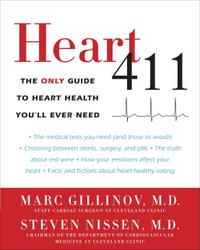
For more heart healthy food tips and other practical information that you can apply in your daily life to achieve healthy longevity, listen to a recording of our February 17th Heart Health 101 Webinar that featured Dr. Steve Nissen and Dr. Marc Gillinov, renowned Cleveland Clinic heart experts and authors ofHeart 411-The Only Guide to Heart Health You'll Ever Need.

Heart Health 101 kicked off the Home Care Assistance Healthy Longevity Webinar Series, an ongoing educational series that will bring experts from a diverse spectrum of health and wellness fields to our clients and the wider community in an engaging and informative format. The webinars are offered free to the public as part of our broader education initiative, through which we will actively provide information and resources around topics related to aging, wellness and quality of life. 
 
Stay tuned for more details on our next webinar which will be on Caregiver Burnout!


Home Care Assistance offers the highest quality 24/7 live-in home care in the Region of Halton (Oakville, Burlington, Halton Hills, and Milton), Region of Peel (Mississauga, Brampton and Caledon), Hamilton and surrounding areas.

Keeping your kidneys healthy

Ward off kidney disease


Diabetes and high blood pressure are 2 of the leading causes of kidney disease. If you have diabetes, you can reduce your risk of kidney damage by managing your blood sugar levels. If you have high blood pressure, you can help protect your kidneys by getting your blood pressure to a healthy level. There is much you can do to help manage these 2 conditions or, in some cases, to prevent them. By doing so, you'll benefit your overall health - not just your kidney function.

Diabetes and your kidneys

About half of those who have diabetes will develop early signs of kidney damage. Unfortunately, though, early kidney damage has few symptoms, so it's important for people withdiabetes to have regular tests to check their kidney function. It's also important to be aware of the risk of kidney damage so that you can do as much as you can to minimize it.
While you may not be able to completely protect your kidneys from the effects of diabetes, the following steps will help your kidneys stay as healthy as possible:
  • Keep control of your blood sugar levels with the help of your doctor or pharmacist.
  • Ask your doctor about regular urine and blood tests to monitor your kidney function.
  • Check your blood pressure regularly - your doctor can advise you on your target blood pressure and how often to check.
  • Eat a healthy diet - your doctor or dietitian can advise you on the best foods for you to choose or avoid.
  • Try to quit smoking.
  • Exercise regularly.
Your doctor may also recommend that you take a medication called an ACE inhibitor (e.g., lisinopril, enalapril) to help protect your kidneys.

High blood pressure and your kidneys

The complications of high blood pressure are serious. You may be aware that high blood pressure can lead to a stroke or heart attack, but did you know that it could also cause kidney damage? If you already have kidney disease, maintaining a healthy control of your blood pressure can help protect your kidneys.
What can you do to help control your blood pressure?
  • Consult your doctor about your "target" blood pressure.
  • Monitor your blood pressure regularly as recommended by your doctor. Many pharmacies sell blood pressure cuffs that you can easily use at home. If you discover your blood pressure is higher than it should be, speak to your doctor. You may need to adopt some lifestyle changes (see below) or take a medication (or combination of medications) to help lower your blood pressure.
  • Follow a low-fat, low-salt diet (such as the DASH diet).
  • Exercise regularly.
  • Keep a healthy body weight.
  • Reduce the amount of alcohol that you drink.
  • Try to quit smoking.

Ward off kidney stones

Passing a kidney stone can be an extremely painful experience. And aside from the pain, kidney stones also pose a risk of kidney damage and urinary tract infection.
One in 10 Canadians will experience a kidney stone during their lifetime. Kidney stones are usually made of a substance called calcium oxalate, but the stones may also be made of uric acid or cystine. Once you have developed a stone, your options are:
  • to pass the stone when you urinate
  • to have it surgically removed
  • to have it dissolved with medication
  • to have it broken up through a special procedure using high-energy shock waves (extra-corporeal shock wave lithotripsy or ESWL)
Your best course of treatment will depend on factors such as the type and size of the stone.
What can you do to avoid a kidney stone?
  • Drink plenty of water! Aim for at least 2 L (about 8 glasses) of water daily. If you are exercising, you'll need to drink extra, as your body will lose some fluid through perspiration and therefore this fluid will not pass through your kidneys.
  • Keep a healthy body weight. Recent studies show that weight gain and obesity increase your risk of forming a kidney stone.
  • Consume a diet that has normal dietary amounts of calcium and is low in salt and animal protein.
  • If you've had kidney stones in the past, you may need to avoid or restrict certain foods in your diet (e.g., foods that are high in oxalate such as organ meats or chocolate). Your doctor can advise you on this.
  • If you still develop kidney stones despite dietary and lifestyle changes, you may need to start taking medications as recommended by your doctor.
  • Talk to your doctor or pharmacist about whether one of your medications may be increasing your risk of kidney stones.

Written and reviewed by the MediResource Clinical Team


Home Care Assistance offers the highest quality 24/7 live-in home care in the Region of Halton (Oakville, Burlington, Halton Hills, and Milton), Region of Peel (Mississauga, Brampton and Caledon), Hamilton and surrounding areas.

Living to 100 or more may be a matter of the lifestyle choices you make.

From Marian Anne Eure, former About.com Guide
About.com Health's Disease and Condition content is reviewed by our Medical Review Board


Living to a healthy and happy ripe old age, may not be a matter of genetic predisposition or just dumb luck. A study is published in the June 2001 American Journal of Psychiatry, the monthly scientific journal of the American Psychiatric Association that points to personal choice as being the defining factor in determining a person's longevity.
This study tracked the physical and mental health of 724 men over a 60-year period beginning in 1940. It contrasted the mental and physical health status of 268 Harvard sophomores with that of 456 socially disadvantaged inner-city adolescents. Physical exams were conducted every five years, and psychosocial exams were conducted every two years.


The study identified seven factors that appeared to predict successful aging: moderate alcohol use, no smoking, a stable marriage, exercise, appropriate weight, positive coping mechanisms, and no depressive illness. Depression was the only factor that affected the quality of aging which was beyond individual control.


The researchers found that the health of the inner-city men declined more rapidly than did the health of the Harvard men; their health status at age 65 matched that of the Harvard men at age 75. However, the health of 25 inner-city men who obtained a college education declined at the same rate as the Harvard group. The investigators concluded that education - not money and social prestige - made the difference. Education appeared to give these men the resources they needed to make better lifestyle choices and to therefore maintain health and happiness for a much longer time.


Other studies, not as extensive in their scope have also pointed to higher levels of education and active involvement in a loving family relationship as being the greatest determining factors in longevity.


Life expectancy has been extended in the US for the most part due to the eradication of many infectious diseases, improved early diagnostic technologies and medication advancements. Unfortunately many unwise lifestyle choices have made those extended years more difficult and costly. This translates into more years of expensive medications, assisted living and direct medical costs. These studies have shown that positive lifestyle choices can make these extended years both healthier and healthier.


What does this mean to you and to me for that matter? It means that to a great extent the choices you make now and in the future will determine how long you live and in what state of health. Here are the factors that were found to affect longevity and some strategies for helping to make the right choices for health and happiness. Click on the links to go to the About sites that have lots of great information on making the right lifestyle choices.


Moderate Alcohol Intake1
While several studies over the past few years have shown that moderate alcohol intake may help to protect against heart disease the optimal word is moderate. Excessive alcohol intake can lead to liver damage, drug interactions and injury. If in doubt avoid alcohol to prevent any drug interactions.


No Smoking
Smoking contributes to heart disease, circulatory problems and can cause emphysema and lung cancer. If you smoke quit!


Exercise
Experts recommend 30 minutes of moderate exercise daily for most people. The exercise can be as simple as walking, jogging or biking. All exercise programs should include a weight bearing exercise to help keep bones strong.


Appropriate Weight
Obesity is becoming a problem of epidemic proportions. Moderation in food intake is the most sensible way to maintain weight in the ideal range. Overweight can contribute to heart disease, diabetes and joint problems.


Positive Coping Mechanisms
Learning how to control stress and deal with anger and change are also choices one can make to improve quality of life. Disciplines such as Yoga and Meditation are excellent ways to slow down and relax. We live in a stressful world, but we can learn to cope.


Stable Marriage
A good marriage is no accident, it takes work and commitment. Studies have shown that happily married people have less heart disease. If you are having problems in your marriage see a counselor. If the problem lies with sexual dysfunction, see a physician who can diagnose and possibly recommend a treatment. If your spouse has died, try to stay socially active in your church or community. Good friendships can develop and fill in the gaps in one's life.


Depressive Illness
Developing depression is not a lifestyle choice but seeking treatment if it develops and following treatment recommendations is. If you feel blue, with decreased energy or initiative you may be depressed and should seek help from your physician.


Sources:Vaillant,George E., M.D. and Mukamal,Kenneth , M.D. "Successful Aging"; American Journal of Psychiatry8June 2001 158: 839-847


http://seniorhealth.about.com/od/prevention/a/longevity_choic.htm


This About.com page has been optimized for print. To view this page in its original form, please visit: http://seniorhealth.about.com/od/prevention/a/longevity_choic.htm
©2012 About.com, Inc., a part of The New York Times Company. All rights reserved.

Heart Health 101, free public webinar : Update

We are thrilled with the positive feedback we have received in response to last week’s announcement about our up and coming Heart Health 101 webinar. As a reminder, Heart Health 101 takes place on Friday, February 17th at 11am PST/2pm EST and will provide practical information and tips that you can apply in your daily life to maintain heart health.


If you have not done so already, please sign-up today because space is limited to the first 1000 registrants and we have already filled a large number of spots. We recommend this webinar for anyone who is interested in health and wellness topics, especially those with a personal or family history of heart disease.
 
Heart Health 101 will be presented by renowned Cleveland Clinic heart experts Dr. Steve Nissen, Chair of the Cardiac Department, and Dr. Marc Gillinov, a recognized Cardiovascular Surgeon. Drs. Nissen and Gillinov, in addition to being accomplished physicians, are the authors of Heart 411-The Only Guide to Heart Health You'll Ever Need, released this month to coincide with Heart Month.
 
As an added incentive we are giving away autographed copies of Heart 411. We will be sending copies of the book to the first 5 people who post a heart health question or tip on our Facebook wall and share our webinar link with their friends.
 
Heart Health 101 kicks off our Home Care Assistance Healthy Longevity Series. We believe in empowering people to be proactive and informed when it comes to their health. Our Healthy Longevity Webinar Series brings experts from a diverse spectrum of health and wellness fields to both our clients and the broader community in an engaging and informative format. The webinars are offered for free to the public as part of our broader education initiatives. Be sure to check our website frequently for updates on upcoming webinars, educational initiatives and company announcements!


Home Care Assistance offers the highest quality 24/7 live-in home care in the Region of Halton (Oakville, Burlington, Halton Hills, and Milton), Region of Peel (Mississauga, Brampton and Caledon), Hamilton and surrounding areas.

Flu protection for yourself and others

The flu is a contagious infection. That means that everyone is at risk of catching it. To make matters more difficult, the flu is contagious a day before people experience symptoms, so they can spread the virus onto others without even knowing it.
The good news is that there are many simple things you can do to help prevent flu infection. This is especially important for people who are at risk of flu complications and more serious illness. Such people are also more likely to be hospitalized. At-risk people include children between the ages of 6 and 23 months, pregnant women, people with medical conditions, Aboriginal peoples, and people who are older than 65 years. See "Are you at risk?" for more information on at-risk groups.
This flu season, stay on top of your health by taking the following steps to prevent spreading the flu.
Avoid contact. Avoiding someone who has the flu is the most obvious way to protect yourself from the flu. This includes avoiding anyone who has flu-like symptoms while the person has symptoms and for at least 24 hours after the person's fever ends.
Wash your hands. Frequent hand-washing is a simple way to reduce the spread of the flu virus. Proper hand-washing means washing with soap and water for at least 20 seconds. Wash often: before and after eating, after using the washroom, after coughing and sneezing, after touching potentially-contaminated surfaces, and after being in a public place. Dry your hands using a clean cloth or paper towel and turn off the tap with the paper towel or cloth. When hands are not visibly dirty and soap and water are not available, alcohol-based sanitizers with at least 60% alcohol by volume are a good alternative. See "Handwashing 101" to learn more.
Watch where you cough, sneeze, and place your hands. The flu virus can enter the body through the mouth, nose, or eyes, so avoid touching your face with your hands. In addition, you should cough and sneeze into a tissue and dispose of the tissue immediately. If tissue isn't available, cough and sneeze into your arm, not your hand. Always wash your hands after coughing and sneezing.
Stay healthy. Your immune system needs all the strength it can get. Keep it strong by eating healthy meals and staying physically active.
Clean and disinfect. Since viruses can live on hard surfaces for up to 48 hours, common surface areas should be cleaned and disinfected regularly with household cleaners. Make sure you scrub down doorknobs, light switches, keyboards, computer mice, telephones, and remote controls.
Manage your medical condition. People who have chronic medical conditions should make sure they are managing them as well as possible. These people are at risk of flu complications. Follow all treatment options (e.g., medications, vaccines against certain diseases such as flu or pneumonia) as recommended by your doctor. If you are taking medications, make sure you have at least a 2-week supply at home so that you don't have to leave it to get more. Ask your pharmacy if they have a delivery service.
Stay home. Just as you wouldn't want others to infect you with the flu, you should stay home until your symptoms are gone if you do get sick. By staying home, you reduce the risk of spreading the virus to someone else.
If you do get the flu and you are at risk of complications, reduce the risk of complications by visiting your doctor as soon as you have symptoms. Your doctor can outline treatment options that will make recovery easier. Use the Doctor Discussion Guide to help you prepare for your visit to your doctor.
If someone in close contact with you, such as others living in the same household, gets the flu, you should consider seeing your doctor as soon as possible to discuss treatments to prevent the flu. For people at risk for flu complications, this is a good way to help prevent the flu. For more information on medications to prevent flu, see thenext section.


Home Care Assistance offers the highest quality 24/7 live-in home care in the Region of Halton (Oakville, Burlington, Halton Hills, and Milton), Region of Peel (Mississauga, Brampton and Caledon), Hamilton and surrounding areas.

Preventing bedsores

Bedsores (also known as pressures sores or pressure ulcers) are areas of damaged skin caused by staying in one position for too long. Constant pressure on certain areas of the body prevents sufficient blood flow to those areas. Since these areas are not supplied with essential nutrients, the tissue begins to die.
Bedsores most commonly occur where soft tissue is compressed between bone and an external surface. These bony areas include the tailbone, hips, heels, ankles, back, and elbows. Anyone who is immobilized due to illness, injury, or sedation, such as people who use wheelchairs or are paralyzed, is at risk for developing bedsores.
Bedsores can develop and get worse rapidly, and advanced sores take a long time to heal. If not treated right away, bedsores can lead to serious and life-threatening infections such as cellulitis (infection of connective tissue), bone and joint infections, and sepsis (bacterial infection of the bloodstream). Sepsis could then lead to organ failure and death.
Most bedsores can be prevented with the following strategies:
  • Change position. People who are bound to a chair or wheelchair should shift position every 15 minutes. Those who are confined to a bed should move (or be moved) to a new position every 2 hours, even during the night.
  • Keep skin clean and dry. Moisture increases the risk of skin breaking down. Bacteria from fecal matter can result in serious and life-threatening infections. For those confined to a bed, keep sheets clean and dry as well.
  • Protect bony areas. Use soft materials such as foam wedges to protect bony areas like the heels and elbows.
  • Use pressure-reducing beds, mattresses, or cushions. Examples include those filled with foam, air, gel, or water. Talk to a doctor or nurse about what is appropriate for you.
  • Perform daily skin inspections. Any sign of redness or discoloration indicates that your position should be changed. The area should also be washed and dried thoroughly, and, for open sores, covered with a protective dressing.
  • Get help at the first sign of infection. If you notice any skin damage or sign of infection (drainage, odour, redness, warmth), tell your doctor, nurse, or caregiver immediately.
  • Maintain proper nutrition. Good nutrition will promote wound healing and prevent skin from breaking down. If you are having difficulty eating, speak to your doctor or a dietician.
http://bodyandhealth.canada.com/channel_section_details.asp?text_id=5712&channel_id=10&relation_id=43676 
Home Care Assistance offers the highest quality 24/7 live-in home care in the Region of Halton (Oakville, Burlington, Halton Hills, and Milton), Region of Peel (Mississauga, Brampton and Caledon), Hamilton and surrounding areas.

Heart Health 101, a free public webinar that highlights practical how-to tips for avoiding heart disease


In honor of Heart Month in the United States and Canada, Home Care Assistance is excited to present Heart Health 101, a free public webinar that highlights practical how-to tips for avoiding heart disease and expert recommendations for individuals managing an existing heart condition or cardiac recovery.
 
  • Heart disease is the leading cause of death in North America, accounting for almost 25% of mortalities. There is a heart related fatality in America every single minute
  • Every year, almost one million Americans and Canadians will suffer their first heart attack. Another 500,000 individuals who have already had a heart attack will suffer another attack
  • There are many health, exercise and diet related activities that can dramatically reduce the incidence of heart attack
 
Heart Health 101 is presented by renowned Cleveland Clinic heart experts Dr. Steve Nissen, chair of the Cardiac Department, and Dr. Marc Gillinov, a recognized Cardiovascular Surgeon. Drs. Nissen and Gillinov, in addition to being accomplished physicians, are the authors of Heart 411-The Only Guide to Heart Health You'll Ever Need; released this past Tuesday to coincide with Heart Month.
 
The webinar will be held on February 17th at 11AM Pacific, 2PM Eastern. We recommend this webinar for anyone who’s interested in health and wellness topics, especially those who have a history of heart disease in your family. Space is limited to the first 1000 registrants, so make sure to reserve your seat today.

The book has been described as the definitive guide to heart health from two of America's most respected doctors at Cleveland Clinic, the leading hospital for heart health in America. Their book is a valuable resource for anyone interested in heart health that provides answers to common questions such as “Can a high stress job really lead to a heart attack?” and “What are the most important medical tests to run to check on heart health?” in an accessible way and provides useful health tips from which everyone can benefit.
 
"Good information is the key to good heart health, said Dr. Gillinov, Cardiac Surgeon at Cleveland Clinic. Myths and misinformation abound. Our mission is to arm people with real, evidence-based medical information that will empower them to ensure their heart health."
 
Heart Health 101 is part of a broader initiative to provide the public with free education and resources on healthy longevity. In addition to the webinar, Home Care Assistance is providing free copies of our Patient Guide to Cardiac Rehabilitation and Patient Guide to Post-Stroke Recovery. You can request these materials from any of our 75 locations across North America or visit our website for a free download. Stay tuned for more webinars from Home Care Assistance!


Home Care Assistance offers the highest quality 24/7 live-in home care in the Region of Halton (Oakville, Burlington, Halton Hills, and Milton), Region of Peel (Mississauga, Brampton and Caledon), Hamilton and surrounding areas.

Study Shows Caregiving is One of the Most Stressful Occupations


A recent study has confirmed what many of us already know: that caregiving is one of the most stressful occupations in North America.  This study found that caregivers are the third most stressed group in America behind the obese and the depressed.  Coincidentally, these are two issues that many caregivers are at risk for; this only amplifies the already high stress level of caregivers.
“Caregivers are not only more likely to report stress than other groups; they also report it at higher levels,” said Caring.com senior editor Paul Spencer Scott. “Caregivers are more likely than the general public to have a chronic illness (82 percent vs. 61 percent) and to rate their own health as fair or poor (34 percent vs. 20 percent). Caregivers also appear to manage stress in less healthy ways than the general population. Caregivers are twice as likely, for example, to report smoking to manage their stress (20 percent vs. 10 percent).”
It is more important now than ever to take time out of your day to takes steps toward protecting one’s health and avoiding caregiver burnout.  The ability to provide care to another individual is an invaluable service to society, but the caregiver and their patient’s health need to be of equal importance.
Other interesting findings garnered from this report are that people still refuse to accept how stress affects their daily lives.  Nearly one third of those polled do not believe that stress affects their physical or mental health.  Tests have proven that the truth is quite the opposite; reduction of stress is a major step towards a healthier lifestyle.


Home Care Assistance offers the highest quality 24/7 live-in home care in the Region of Halton (Oakville, Burlington, Halton Hills, and Milton), Region of Peel (Mississauga, Brampton and Caledon), Hamilton and surrounding areas.

Chronic illnesses, not age, determine seniors' reliance on health care: Study

BY CARMEN CHAI, POSTMEDIA NEWS JANUARY 28, 2011 

It's their health, not the age of Canadian seniors that is the main factor when determining the number of medical services they use, according to a report that examines the elderly population's reliance on the health-care system.
"In society, many of us may expect that with age comes chronic conditions but this isn't the case. It became apparent that it's the number of chronic conditions that seniors have, not their increasing age, that drives their health-care utilization," said Greg Webster, director of primary health care for the Canadian Institute for Health Information, which released the report Thursday.
"Once people get to three or more chronic conditions, their quality of life deteriorates and their use of health care goes through the roof."
About 1.1 million Canadian seniors are living with at least three chronic conditions, such as diabeteshigh blood pressurearthritis or cancer. The group accounted for 40 per cent of the health care used by seniors, according to the CIHI study.
Healthy seniors — that is, those without such ongoing conditions, who were at least 85 years old, made fewer than half the number of visits to doctors' offices as younger seniors who had many chronic illnesses, though, Webster said.
CIHI collaborated with the Health Council of Canada and Statistics Canada to design the study, which examined the prevalence of 11 chronic illnesses in seniors and the kind of services they needed. The most common chronic illnesses among seniors were high blood pressure, which affects two million seniors, followed by arthritis, which affects 1.2 million seniors.
According to previous CIHI research, health care for a senior between 65 and 69 years old costs $5,828; for a senior 70 to 74 years old, the average cost is $8,803; and for seniors 70 to 79 years old, the cost is $10,989 on average. About $18,160 is spent on each senior who is more than 80 years old.
But it's the chronic illnesses — with their most common forms, such as Type 2 diabetes and osteoarthritis, appearing between the ages of 50 and 60 — that make up a big chunk of that spending, said Dr. Bill Hogg, a University of Ottawa professor and research director at the university's Elisabeth Bruyere Research Institute.
Similar patterns of health care exist among adults between 45 and 64 years old. Unhealthy middle-aged Canadians with three or more chronic conditions made six times more visits to the doctor's office, hospital or emergency room than their peers without health conditions, the report showed. About half of Canadians in this age group have at least one chronic condition already.
Hogg said that as the large group of baby boomers ages in Canada, cases of chronic illness in seniors will climb, increasing the burden provincial health-care systems already face.
"People are concerned about the cost implications and about the amount of disability and suffering as projections are that the number of people living with these diseases will increase dramatically. They're all quite significant (diseases), they're not just minor lashes, but they've become a reality today," he said, noting that some Canadian seniors are dealing with a combination of six or more chronic illnesses.
The report recommends that doctors and patients of all ages make maintaining good health and regular exercise a priority to reduce the risk of chronic conditions.
"We shouldn't accept that it's going to be this way," Webster said.
The study suggested only two in five seniors said they had talked to their doctors about what they could do to improve their health: from quitting smoking, exercising more and drinking less alcohol.
"If we take better care, seniors would be healthier and happier and they'd need less health care, leading to a more sustainable system," Webster said.
In 2008, seniors consumed almost 44 per cent of all provincial and territorial government health spending, although they only comprised about 14 per cent of the population, he said.
Handling comorbidity — the accumulation of chronic diseases — results in frequent appointments with doctors and specialists, Hogg said.
Seniors with three or more conditions were making three times more health-care visits than their healthy peers, the report suggested. A patient with three conditions would visit a doctor at least once a month while a healthy 30-year-old man would probably visit the doctor once every five years, Hogg said.
The seniors also reported taking an average of six prescription drugs regularly, which also concerned the researchers.
Hogg said the usage of multiple drugs to reduce or to treat symptoms is "not trivial" as some seniors who were routinely taking multiple medications reported side-effects that were so severe, they needed medical attention. Hogg said the side effects could be minor to very serious, from a dry mouth or nausea to allergic reactions that can led to trouble breathing.
The highest percentage of seniors with chronic illnesses was recorded in Newfoundland and Labrador, where 85 per cent of seniors had at least one chronic illness while the lowest was Quebec, followed by British Columbia and Ontario, the report suggested.

Home Care Assistance offers the highest quality 24/7 live-in home care in the Region of Halton (Oakville, Burlington, Halton Hills, and Milton), Region of Peel (Mississauga, Brampton and Caledon), Hamilton and surrounding areas.

Andropause (male menopause)

"Male menopause" is a rather inaccurate but popular term used to describe the symptoms of low testosterone levels in older men, which is called andropause. As men age, levels of testosterone can drop by as much as 50%. Other terms for the same condition include male menopause, male climacteric, viropause, and PADAM (Partial Androgen Deficiency in Aging Men, sometimes shortened to ADAM).


What does testosterone do?

Although many people are aware of its important role in maintaining muscle strength and sexual function in men, testosterone also has important effects on the brain, skin, liver, kidneys, blood, bones, heart, cholesterol levels, and the prostate.
The pituitary gland in the brain controls the release of testosterone in the testicles. The pituitary gland first produces the hormones leutinizing hormone (LH) andfollicle stimulating hormone (FSH). These hormones travel through the bloodstream to the testicles, where they stimulate the testicles to produce both testosterone and sperm.
Andropause may be diagnosed when there is a low level of testosterone in the blood, symptoms of testosterone deficiency, and improvement of those symptoms when testosterone replacement is taken. There are many potential causes of testosterone deficiency, so it is important to determine the exact cause of testosterone deficiency and determine which therapy is appropriate.

Richard A. Bebb, MD
in association with the MediResource Clinical Team

http://chealth.canoe.ca/channel_section_details.asp?text_id=1589&channel_id=10&relation_id=3883 
Home Care Assistance offers the highest quality 24/7 live-in home care in the Region of Halton (Oakville, Burlington, Halton Hills, and Milton), Region of Peel (Mississauga, Brampton and Caledon), Hamilton and surrounding areas.

Seniors in hospital beds costly for health system

It is estimated that caring for a senior in the community costs about one-quarter of caring for the same person in hospital.

Posted: Dec 1, 2011 3:00 PM ET 

Last Updated: Dec 1, 2011 3:59 PM ET 


It is estimated that caring for a senior in the community costs about one-quarter of caring for the same person in hospital. Mark Baker/Associated Press

Canadian seniors account for 85 per cent of patients in hospital beds who could be receiving care elsewhere, a problem that will only grow as the first baby boomers turn 65 this year, according to a new report.
Thursday's report by the Canadian Institute for Health Information called Health Care in Canada, 2011: A Focus on Seniors and Aging, examines how seniors use the health system and where there’s room for improvement.
For example, 47 per cent of seniors have completed their hospital treatment but remain in an acute-care hospital because they're waiting to be moved to a long-term care facility such as a nursing home or to rehab or home with support (so-called "alternate level of care" patients.)
Those patients have a ripple effect on the rest of a hospital, said Dr. Jeff Turnbull, chief of staff of the Ottawa Hospital.
"The delays of getting into the hospital delays, of getting timely surgery diagnostics, all are affected by our that fact that we have so many people sitting in our acute-care beds," said Turnbull.
Last year, those ripples meant the hospital had to cancel 600 elective surgeries, he said.
Currently, seniors represent 14 per cent of the population, but they use 40 per cent of hospital services and account for about 45 per cent of health spending of provincial and territorial government, the report's authors found.
For hospitals, an acute-care bed costs about $1,100 a day. In comparison, Turnbull estimated it costs a quarter of that to care for the same senior in the community.
The goal for governments should be to spend money on the right services so more seniors can stay at home and out of hospital longer, said Kathleen Morris, CIHI's director of health system analysis.
Those services include traditional health-care services such as nursing and physiotherapy as well as transportation or help with household chores to help the 93 per cent of seniors who live at home, Morris said.
Ensuring continuity of care for seniors across the health care system could potentially lead to better care and better quality of life, health policy researcher Marcus Hollander in Victoria said, commenting on the report.
The report's authors pointed to efficient use of new technologies such as:
  • A medication monitoring system equipped with a sensor to allow family members to use online video clips to monitor which medications were taken for seniors receiving home-care services.
  • Magnetic door sensors that send an email, text message or cell phone message to caregivers if a person with dementia goes outside unattended.
  • Flexible bed mats with pressure sensors that let caregivers know when their family member has woken up and is moving.
The report also included chapters on seniors' use of prescription drugs and caring for seniors in the community or in residential care.
With files from CBC's Susan Lunn  http://www.cbc.ca/news/canada/story/2011/12/01/seniors-hospital-beds-health-care.html?cmp=rss 
Home Care Assistance offers the highest quality 24/7 live-in home care in the Region of Halton (Oakville, Burlington, Halton Hills, and Milton), Region of Peel (Mississauga, Brampton and Caledon), Hamilton and surrounding areas.


Converted by Ritesh Sanap | Sponsored by Downloaddeck.com Powered by Giant Themes