Showing posts with label Skin Care. Show all posts

Summer is a very popular time for all ages to travel. For seniors in particular, traveling may be accompanied by special considerations or challenges. Please use the tips below to better prepare for your next trip with an aging parent or loved one. Home Care Assistance wishes you a safe and happy journey!
 
Pre-planning for your vacation – Many travel agents specialize in senior travel, so ask what they recommend. Take an hour or so to research the medical facilities, climate, language and culture in the place that you will be traveling. Purchasing a guide book is the best way to learn about your destination and they are affordable. If you have a pre-existing illness, don’t forget to buy travel insurance!
 
Packing – If you do not have a suitcase with wheels, purchase one – it makes traveling much easier. Include a medical kit in your carry-on bag and if you take medication, a clearly marked pill box will help you remember which medications you need to take and when.
 
Traveling with a disability – Plan ahead by calling airlines, hotels and the local tourist authority at your destination to make necessary arrangements for the duration of your travel. Let them know what your disability is and if any special requirements or accommodations are needed.
 
Pre-trip medical checkups – Consult with your doctor to see if you should have a medical check-up prior to departure. Consider vaccinations and discuss any health concerns, such as dietary changes, time zone differences and medications.
 
Traveling with medication – When going abroad, make sure your medication is legal in the country you are visiting. Contact the country’s embassy or consulate to check. Discuss the medicine you will require with your doctor and have him or her write you a letter describing the medication, dosage and that it is for personal use. Keep all medicine in its original labeled container to avoid trouble with Customs.
 
Clothing – Wear comfortable, breathable clothing when traveling, allowing blood to circulate easily. When flying, compression stockings are sometimes helpful for seniors. Always avoid tight socks or stockings.
 
Exercise -- Exercise, especially during long trips, is important for your muscles, joints and overall circulation. Standing, walking and stretching a few times mid-flight will alleviate any stiffness. Due to low humidity levels on planes, drinking fluids is very important as you can easily get dehydrated.
 
Must have information – Make sure to have your doctor’s and emergency contact’s number, airline carrier and U.S. Embassy (if traveling abroad) number easily accessible and in a centralized place in case of emergency.
 
Help can be hired – Everyone needs occasional respite. If you are the primary caregiver for your parent or loved one, hire a caregiver from a reputable agency to take care of them while you are gone. Bringing your elderly loved one with you? You can hire a caregiver to accompany you on your trip, or you can hire a caregiver on short notice once you reach your destination. Home Care Assistance currently has 60 locations throughout North America. See if we are in a city near you!
 
Whether it’s near or far, remember these important tips for senior travel and enjoy a relaxing vacation!


Home Care Assistance offers the highest quality 24/7 live-in home care in the Region of Halton (Oakville, Burlington, Halton Hills, and Milton), Region of Peel (Mississauga, Brampton and Caledon), Hamilton and surrounding areas.

Tips for Enjoying the Summer Safely


 As summer quickly approaches and the weather begins to improve, there is an urge to get outside and get going. For some, exercise is enjoyed more when it takes place outside in the fresh air and sunshine.
Enjoying the great outdoors for exercise or mental stimulation is wonderful as long as it is done safely.

Here are some suggestions to help you enjoy the summer safely!
1. Make sure you always wear sunscreen and bring a hat. Heat stroke (or sun stroke) is very dangerous and precautions should always be taken to avoid getting too much heat or sun. Don’t forget about your face! It is the easiest place to get a burn.

2. Make sure you drink plenty of fluids! Getting dehydrated can lead to other health complications. Know the signs and keep an eye out when spending time outside with others.

3. Watch your step. We have all done it – you’re walking on the sidewalk when suddenly your shoe catches on an uneven step and you stumble. For seniors, falls are a serious matter. Falls can lead to broken bones or fractures, loss of independence and depression. It is better to be safe!

4.  Take frequent breaks from the sun. Try to take breaks from the sun every hour or two by going inside or sitting in the shade. On those especially warm and humid days, try to go somewhere cool to prevent your body from overheating.

The good news is that the sun doesn't have to be your enemy if you wear your sunscreen, drink your water, and take breaks when you start to feel too hot. And don't forget your sunglasses. Not only do they protect your eyes from the sun, they make you look so cool!


Home Care Assistance offers the highest quality 24/7 live-in home care in the Region of Halton (Oakville, Burlington, Halton Hills, and Milton), Region of Peel (Mississauga, Brampton and Caledon), Hamilton and surrounding areas.

Five signs of stress to watch out for


Your body reacts to stress in many ways and when you are stressed out, your general health is diminished. Here are five of the most noticeable signs that stress has taken over your body.


1. Sneezing or sniffling: It may be the common cold, or a weakened immune system. Thus, your sensitivity to various allergens has heightened.

Solution: Exercise. Taking a brisk walk every day for at least 20 minutes gets your blood pumping and your heart rate up. Both are important for your immune system to rebound, as well as bring your stress level down.

2. Breaking out: A stressful situation causes your body to emit adrenaline, which can help you act quickly physically if needed. Unfortunately, it can also prompt an excess amount of sebum, the oil found in facial pores.

Solution: Keep your face cleansed twice a day. Purchasing a new cleanser for medium to high oily skin can further help combat your pimple outbreaks.

3. Patchy scalp: With high anxiety, stress hormones tend to affect hair follicles, interfering with hair growth.

Solution: Up your mineral and vitamin intake to jump start hair growth. Omega-3 fatty acids like those found in salmon and vitamin B12 all provide nourishment for healthy hair.

4. Painful jaw movements: Some people tend to grind their teeth when stressed-out, even during sleep.

Solution: Relaxing your muscles before bed may also naturally keep your jaw relaxed. Using a warm compress on your jaw can also help. If the grinding persists, your dentist can provide a specialized mouth guard to keep your teeth from being damaged.

5. Strong appetite for junk food: In addition to adrenaline, your body also pumps out cortisol, a hormone responsible for craving sweets and other unhealthy foods for energy purposes.

Solution: Tying these random cravings to any stressful moments you may have recently experienced can help you resist the bag of chips and instead turn to a healthier alternative like Wheat Thins or sugar-less gum until the craving subsides.

These five symptoms are only a few of the many reactions our bodies have to high anxiety. Stress can harmfully affect all aspects of our lives, from eating habits and appearance, to mental wellness. It is important to identify how your body changes during and after stressful situations so that you can begin to develop better reactions to stress, and therefore, a better state of living.


Home Care Assistance offers the highest quality 24/7 live-in home care in the Region of Halton (Oakville, Burlington, Halton Hills, and Milton), Region of Peel (Mississauga, Brampton and Caledon), Hamilton and surrounding areas.

Top 10 Health Benefits of Lemon Water

Squeeze 1/2 lemon into a glass of water, twice daily.
Lemons are an incredible healthy and often delicious ingredient for many foods and beverages. Lemon juice consists of about 5% citric acid that is responsible for the tarty taste in lemons. Lemons are also a rich source of vitamin C, vitamin B, riboflavin and minerals like calcium, phosphorus, magnesium as well as proteins and carbohydrates. There are enormous benefits of lemon juice and water in your everyday life. Lemon water makes a healthy drink that is incredibly refreshing in the morning. Daily consumption of lemon water provides a number of health benefits like:


1. Good for stomach

Lemons can help relieve many digestion problems when mixed with hot water. These include nausea, heartburn and parasites. Due to the digestive qualities of lemon juice, symptoms of indigestion such as heartburn, bloating and belching are relieved. By drinking lemon juice regularly, the bowels are aided in eliminating waste more efficiently. Lemon acts as a blood purifier and as a cleansing agent. The intake of lemon juice can cure constipation. It is even known to help relieve hiccups when consumed as a juice. Lemon juice acts as a liver tonic and helps you digest your food by helping your liver produce more bile. It decreases the amount of phlegm produced by your body. It is also thought to help dissolve gallstones.

2. Excellent for Skin Care

Lemon, being a natural antiseptic medicine, can participate to cure problems related to skin. Lemon is a vitamin C rich citrus fruit that enhances your beauty, by rejuvenating skin from within and thus bringing a glow on your face. Daily consumption of lemon water can make a huge difference in the appearance of your skin. It acts as an anti-aging remedy and can remove wrinkles and blackheads. Lemon water if applied on the areas of burns can fade the scars. As lemon is a cooling agent, it reduces the burning sensation on the skin.

3. Aids in Dental Care

Lemon water is used in dental care also. If fresh lemon juice is applied on the areas of toothache, it can assist in getting rid of the pain. The massages of lemon juice on gums can stop gum bleeding. It gives relief from bad smell and other problems related to gums.

4. Cures Throat Infections

Lemon is an excellent fruit that aids in fighting problems related to throat infections, sore throat and tonsillitis as it has an antibacterial property. For sore throat, dilute one-half lemon juice with one-half water and gargle frequently.

5. Good for Weight Loss

One of the major health benefits of drinking lemon water is that it paves way for losing weight faster, thus acting as a great weight loss remedy. If a person takes lemon juice mixed with lukewarm water and honey, it can reduce the body weight as well.

6. Controls High Blood Pressure

Lemon water works wonders for people having heart problem, owing to its high potassium content. It controls high blood pressure, dizziness, nausea as well as provides relaxation to mind and body. It also reduces mental stress and depression.

7. Assist in curing Respiratory Disorders

Lemon water assists in curing respiratory problems, along with breathing problems and revives a person suffering from asthma.

8. Good for treating Rheumatism

Lemon is also a diuretic and hence lemon water can treat rheumatism and arthritis. It helps to flush out bacteria and toxins out of the body.

9. Reduces Fever

Lemon water can treat a person who is suffering from cold, flu or fever. It helps to break fever by increasing perspiration.

10. Acts as a blood purifier

The diseases like cholera or malaria can be treated with lemon water as it can act as a blood purifier.


Courtesy of Life Mojo

Home Care Assistance offers the highest quality 24/7 live-in home care in the Region of Halton (Oakville, Burlington, Halton Hills, and Milton), Region of Peel (Mississauga, Brampton and Caledon) and Hamilton.

6 Health Benefits of Having Pets

According to care2.com, scientists have recently discovered many health benefits that can be attributed to pets. Many people intuitively believe that pets have healing benefits, but there is now scientific proof for such beliefs:

1. Pets lessen the risk of allergies and asthma: Recent studies have found that children who grow up in homes with dogs are much less likely to have certain allergies, and are less likely to develop eczema later in life.

2. Pets reduce stress: A Mindlab International survey reported that 55% of people were more relaxed after spending time with their pets. Stress reduction is a novelty in today’s society and can greatly improve one’s mental and physical health.

3. Cats lower risk of fatal heart attack: Those who own cats have been found to have a 40% lower risk of heart attack, most likely due to the fact that owning a cat can reduce anxiety, which can lead to heart conditions.

4. Dogs lower blood pressure and cholesterol: The British Journal of Health Psychology reported this, and attributed it to the fact that dog owners generally engage in regular walks with their pet.

5. Pets can help people with serious illness: Physicians often encourage ailing patients to own a pet because it has been found that this can motivate people to take better care of themselves.

6. Dogs help with weight loss: A study from the University of Missouri found that people were much more likely to be motivated to walk when their walking partner was a dog rather than another human. It has been found that walking a dog for just 20 minutes a day could result in up to 14 pounds of weight-loss in a year.

Source: Home Care Blog

Home Care Assistance offers the highest quality 24/7 live-in home care in the Region of Halton (Oakville, Burlington, Halton Hills, and Milton), Region of Peel (Mississauga, Brampton and Caledon) and Hamilton.

The 10 Most Mysterious Diseases in the World

Despite significant breakthroughs in medicine and health over the past few decades there are still many long-standing unknowns in the medical community. While there are many sicknesses doctors can cure with a pen and a prescription pad, there are even more that still stump the pros, confound the public and rage on uncontested.

10) Morgellons Disease

A Morgellons sufferer pulling a fibrous strand from an open wound.
This very odd disease has sufferers complaining of an intense crawling or stinging sensations on their skin, fibrous strands protruding from open wounds, and persistent skin lesions. Patients have also reported formication (the feeling of insects crawling under one's skin), musculoskeletal pain, disabling fatigue and obsessive-compulsive disorder. Although it was classified as "Morgellons" in 2002, most doctors regard Morgellons as a manifestation of other diseases such as delusional parasitosis leading to a widespread debate about the nature of the disease. Many dermatologists refute the assertion that Morgellons is an actual disease and attribute symptoms to psychological problems or a confluence of other skin conditions. An analysis of strands of fiber taken from some patients' open sores show no biological organisms present adding fuel to the debate on the etiology of the disease.

9) Chronic Fatigue Syndrome (CFS)

CFS is commonly associated with debilitating disorders characterized by constant fatigue regardless of exertion that cannot be relieved by rest. Symptoms can include muscle and joint pain, cognitive difficulties, depression, poor immune response, and severe mental and physical exhaustion. For unknown reasons, CFS occurs most often in people in their 40s and 50s and in more women than men. Many patients do not fully recover from CFS even with treatment and laboratory testing is not used for direct diagnosis. While there is no doubt about the health, happiness and productivity costs from CFS, there has been little effort to develop a unified nomenclature and etiologic hypothesis and treatment.

8) Creutzfeldt-Jakob Disease (CJD

Prions killing nerve cells create a "spongy" appearance in the brain tissue.

Commonly known as Mad Cow Disease, Creutzfeldt-Jakob Disease (CJD) is a broader neurological disorder that is quick-acting, incurable and potentially fatal. CJD is a type of prion disease (an bit abnormal protein) is progressively destroys brain and nerve cells. A CJD prion promotes misfolded proteins that cannot digest and disrupts cell function in a self-sustaining feedback loop. This causes its symptoms of dementia, memory loss, personality changes, speech impairment, myoclonus, ataxia, and seizures. Clinical testing has always been an issue as diagnosis has primarily been based on clinical and physical examination of symptoms. As a prion disease, experts hope that studying these conditions could aid in research towards cancer, melanoma, and lymphoma.

7) Schizophrenia

A piece of cloth made by a schizophrenia patient at Glore Psychiatric Museum
One of the most puzzling mental disorders, schizophrenia blurs the distinction between fantasy and reality that could render the patient disabled. Symptoms include delusion, hallucinations, paranoia, disorganized speech, and a lack of emotions. Diagnosis relies on the patient's subjective and self-reported experiences and observed behaviour since there are no laboratory tests available. The hypothesized causes vary from genetic, prenatal, social and environmental factors  People with schizophrenia are likely to have additional comorbid conditions such as depression and anxiety while the average life expectancy is 10 to 12 years less than those without. Current psychiatric research is focused on the role of neurobiology however no organic cause has been discovered. Some believe that schizophrenia does not represent a single disorder but rather a number of discrete syndromes.

6) Autoimmune Disorders

Autoimmune disorders lead to antibodies viewing body tissues just as they do bacteria.
There are currently at least 80 known autoimmune disorders including Lupus, multiple sclerosis, type 1 diabetes, and celiac disease on top of the many other immune-system-related illness. With these disorders, the immune systems turns on its own body as begins to view muscles, joints, tissues and organs as enemies upsetting entire bodily systems. Since the immune system is so complex, the cause is difficult to identify while others believe that it is dormant within genes and can be triggered by certain factors. With 23.5 million affected in the U.S. alone, autoimmune disorders are the second leading cause of chronic illness in the U.S. and top ten cause of death of women under 65. An accurate diagnosis is difficult because there are so many types of the disease that range across many different specializations and disciplines.

5) Pica

One of the more bizarre diseases, people with Pica have an insatiable urge to eat non-nutritive substances like dirt, paper, glue, and clay or food ingredients like flour, starch and salt. Although more common in children aged 1-6 (10-32% prevalence), Pica does affect adults especially pregnant women and those with developmental disabilities. The dangers of Pica come from ingesting harmful substances such as lead, feces and gasoline as well as the greater risk for stomach tearing. Many believe that Pica is caused by deficiencies in minerals such as iron and zinc while others place it on the obsessive-compulsive spectrum. Though incurable, Pica can naturally disappear on its own over time however it may persist throughout the adult years, especially when coinciding with developmental disorders.

4) Avian Flu

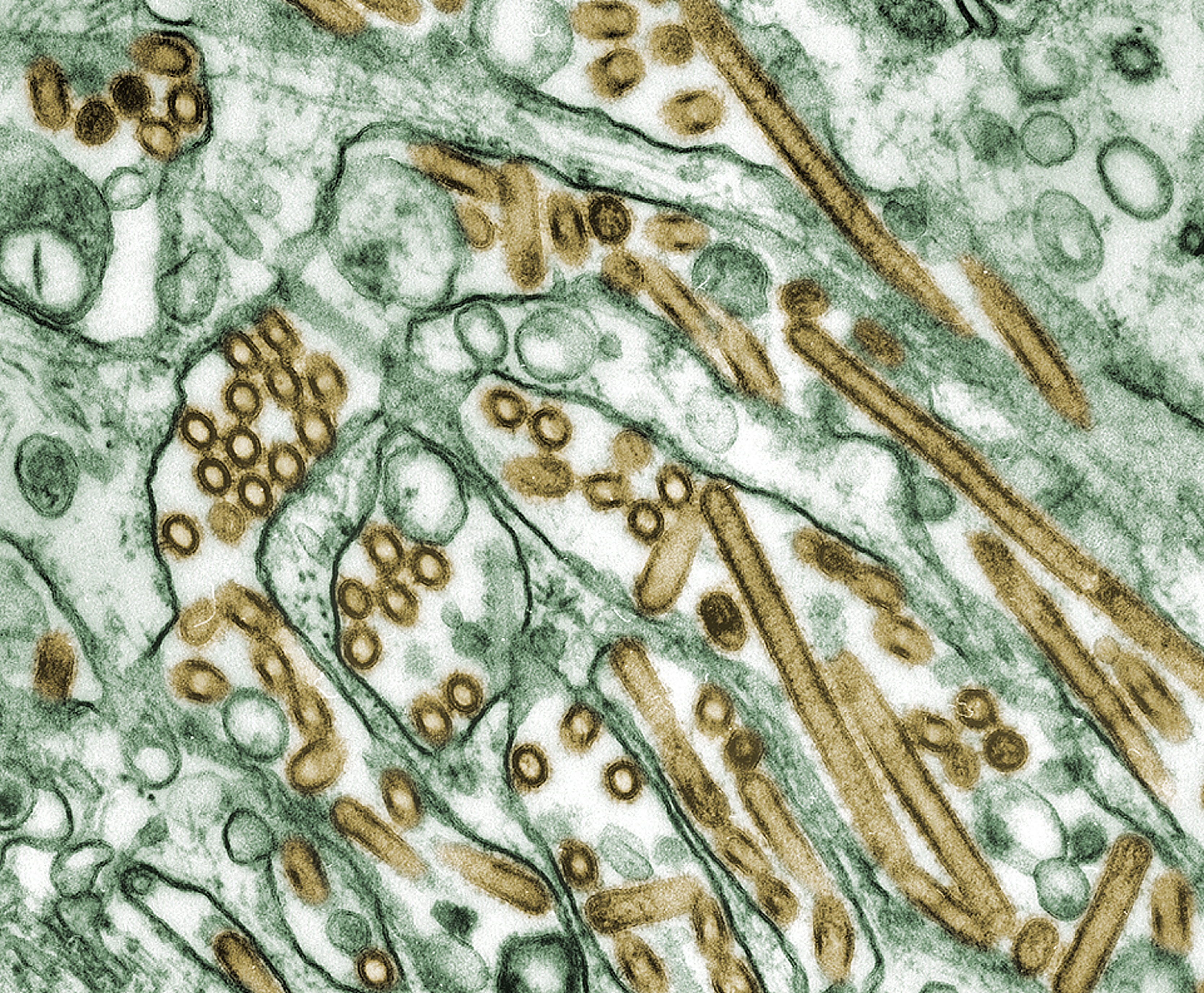
A colourized transmission electron micrograph of the Avian Influenza A virus.
The Avian Flu, also known as Avian Influenza A or H5N1, is a very deadly and infectious disease that comes from a variety of viruses found in birds. Nearly 60% of people who contract the Avian Flu die from the disease regardless of their age and health status. Many experts have been warning the pandemic potential of the Avian Flu even through it is still unclear whether human-to-human transmission is possible. The flu has killed millions of poultry worldwide and there are fears that species-specific viruses will exchange genetic material to create a virulent and deadly flu strain for humans. As of late 2009, 262 humans have died from the Avian Flu in 12 countries centered particularly in Asia and Eastern Europe.

3) Common Cold

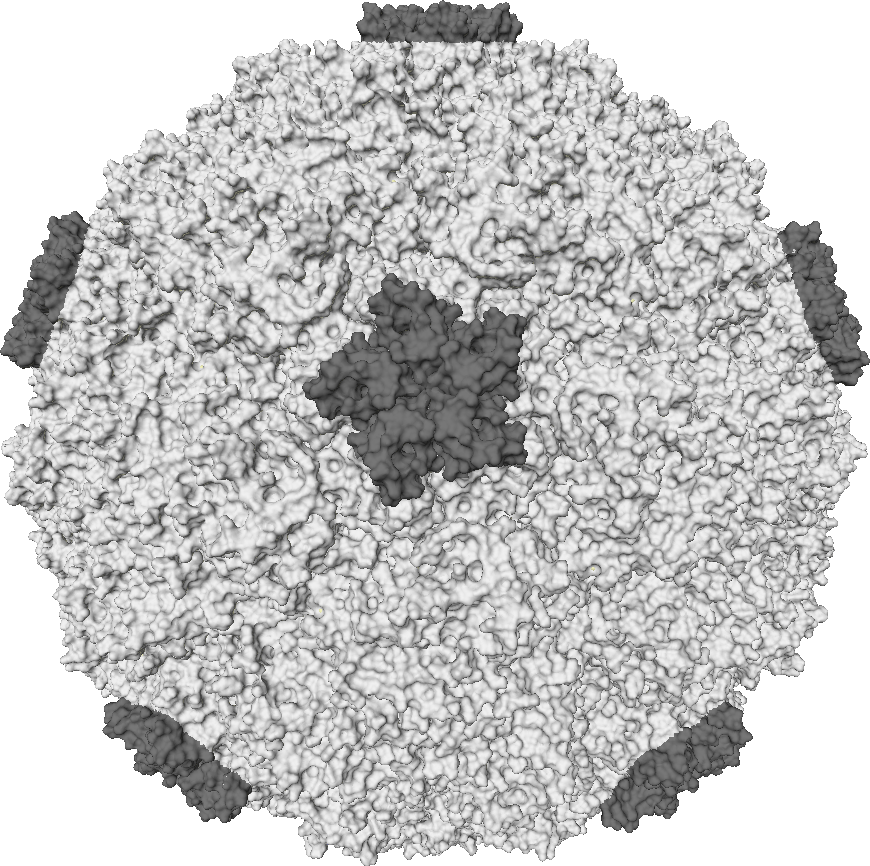
The molecular surface of a human rhinovirus.
The common cold, responsible for 30-50% of adult colds, is the most frequent infectious disease for humans with an estimated one billion cases annually in North America alone. It is a viral infectious disease of the upper respiratory system caused primarily by rhinoviruses and coronaviruses that can last anywhere from a few days to a few weeks. The symptoms - sore throat, runny nose, and fever - seem relatively harmless however its prevalence has inflicted a massive cost to society. Efforts to develop a vaccine against the common cold have been unsuccessful because colds are produced by a large variety of rapidly mutating viruses making the successful creation of a broadly effective vaccine highly improbable.

2) Alzheimer's Disease

In Alzheimer's, increasing numbers of brain cells deteriorate and die.
Alzheimer's, a degenerative brain disorder, gradually destroys a person's ability to memorize, learn, make judgments, and communicate. As Alzheimer's progresses, patients can experience a change in personality and increased anxiety, agitation, and delusion as well as a much greater risk for dementia. As many as 5.3 million Americans live with Alzheimer's and it is the seventh-leading cause of death in the United States (Source: Alzheimer's Association). Those with Alzheimer's tend to have more developed "plaques" and "tangles" in their brains which block communication among nerve cells and disrupt normal cell function. These plaques and tangles typically begin in the areas of the brain that are important to learning and memory and spread from there. While there is no cure, scientists are hoping to understand the disease better in order to do a better job of preventing its onset or treating it in the early stages.

1) AIDS

The areas hardest hit by HIV/AIDS have been Africa and Central America.
Acquired Immune Deficiency Syndrome (AIDS) has devastated society since the early 1980s, particularly in developing countries, reaching pandemic status with an estimated 33.2 million people living with AIDS worldwide. In 2008, 2 million people worldwide died from AIDS with three-quarters of that coming from Africa. AIDS is caused by a Human Immunodeficiency Virus (HIV) that slowly wears down one's immune system. As the immune system deteriorates, it is less able to combat viruses, fungi, and bacteria that are considered non-serious for those without HIV. These are known as "opportunistic infections" such as pneumocystis pneumonia (PCP) and Kaposi's syndrome and indicate the presence of AIDS. Although there is no vaccine or cure available, antiretroviral treatment has been able to slow down and control the infection however the treatment is often too costly and inaccessible to most of the people infected. Currently, the focus has been placed on cost-effective prevention and promoting safe-sex and safe needle exchanges.

Sources: 50plus.com (2), MedlinePlus, Aids.org, Alzheimer's Association, Live Science, Wikipedia

Home Care Assistance offers the highest quality 24/7 live-in home care in the Region of Halton (Oakville, Burlington, Halton Hills, and Milton), Region of Peel (Mississauga, Brampton and Caledon) and Hamilton.

Reduce Your Alzheimer's Risk with "TED"

"Tea, Exercise and vitamin D" may cut risk for Alzheimer's, according to new research.

If you want to reduce your risk for Alzheimer's disease, adopting these lifestyle habits just might help, according to several large studies presented at the International Conference on Alzheimer's Disease in Hawaii.

The findings were the result of three large, long-term studies, including the Framingham Study, where researchers analyzed data from more than 1,200 people in their 70s. The study, which has followed people in Framingham, Mass., since 1948, was originally designed to track cardiovascular health. It is now also tracking the participants' cognitive health.

When looking at physical activity levels, researchers found that people who engaged in moderate to heavy amounts of exercise had about a 40 per cent reduced risk of developing any type of dementia. Compared with heavy exercisers, those with the lowest levels of physical activity were 45 per cent more likely to develop dementia. The findings suggested this was a particularly strong trend among men.

"This is the first study to follow a large group of individuals for this long a period of time. It suggests that lowering the risk for dementia may be one additional benefit of maintaining at least moderate physical activity, even into the eighth decade of life," study author Dr. Zaldy Tan, of Brigham and Women's Hospital, VA Boston and Harvard Medical School, said in an Alzheimer's Association news release.

Vitamin D Deficiency and Cognitive Impairment

Vitamin D deficiency -- which has been linked to serious health conditions such as cancer, diabetes, osteoporosis and heart disease -- may also lead to increased risk of cognitive impairment and dementia later in life, a second study found.

British researchers looked at 3,325 people aged 65 and older to examine vitamin D deficiency and cognitive performance. Vitamin D levels were measured from blood samples and compared with performance on a measure of general cognitive function that included tests of memory, orientation in time and space, and ability to maintain attention. Participants who scored in the worst 10 per cent of the group were classified as being cognitively impaired. The study found the odds of cognitive impairment were about 42 per cent higher in people who were deficient in vitamin D, and 394 per cent higher in people who were severely deficient.

"It appears that the odds of cognitive impairment increase as vitamin D levels go down, which is consistent with the findings of previous European studies," said David Llewellyn, PhD, of the University of Exeter Peninsula Medical School. "Given that both vitamin D deficiency and dementia are common throughout the world, this is a major public health concern."

According to Llewellyn, the majority of older adults in North America have insufficient vitamin D levels. This is because their skin becomes less efficient at producing vitamin D with age, and sunlight (UVB radiation) levels are limited for much of the year.

"Vitamin D supplements have proven to be a safe, inexpensive and effective way to treat deficiency. However, few foods contain vitamin D and levels of supplementation in the U.S. are currently inadequate. More research is urgently needed to establish whether vitamin D supplementation has therapeutic potential for dementia," Llewellyn said.

Tea for a cognitive boost

That delicious cup of tea may also provide a boost to your cognitive health, according to researchers from UCLA. These benefits have been outlined in a previous post "The Changing Paradigm of Caffeine".

For this study, researchers looked at 4,800 men and women aged 65 and older from the Cardiovascular Health Study over a 14-year period to examine the relationship between consumption of tea, coffee, and the change in cognitive function over time.

They found that people who drank tea at a variety of levels showed 17-37 per cent less cognitive decline than non-tea drinkers. Coffee consumption, however, did not show any effect except for the heaviest coffee drinkers, who had 20 per cent less decline.

"The suggestion of a positive effect of tea consumption in slowing cognitive decline requires further investigation," said Lenore Arab, PhD, of UCLA. "Interestingly, the observed associations are unlikely to be related to caffeine, which is present in coffee at levels 2-3 times higher than in tea."

Sources: Alzheimer's Association news release; HealthDay, 50plus.com

Home Care Assistance offers the highest quality 24/7 live-in home care in the Region of Halton (Oakville, Burlington, Halton Hills, and Milton), Region of Peel (Mississauga, Brampton and Caledon) and Hamilton.


Converted by Ritesh Sanap | Sponsored by Downloaddeck.com Powered by Giant Themes