- Home Posts filed under Blood Pressure
Why you should watch how much sodium you eat
A recent article in the Huffington Post lists numerous negative health effects caused by high sodium consumption, which includes kidney disease, osteoporosis, asthma and even gastric cancer. The majority of these negative health affects are a result of the average sodium intake in America today. About 3500mg of sodium is consumed by a single individual in a day. Compared to our early ancestral diet of natural foods where there was only 1000mg of sodium, this is a grotesquely high number.
Living in a society where fast food and other unhealthy options are readily available makes sodium and diet constrictions a challenge for many. Unfortunately, a high sodium diet puts even the healthiest person at risk for health trouble beyond high blood pressure. So much so, that the American Heart Association has recently dropped its recommended maximum sodium intake from 2300 mg to 1500 mg.
Unhealthy eating trends over the past decade have varied among North Americans. Only until recently, has affordable, organic food become more mainstream and widely available. Stores like Trader Joe’s can be found in more local neighborhoods. Whole Foods, although pricier, offers organic, pre-made balanced meals that provide consumers a variety of options to chose from.
Eating less sodium doesn’t have to be a painful alteration to your lifestyle. Not to mention, the health benefits you will gain from eating a low sodium diet will far outweigh how you looked and felt before!
Courtesy of CareNotes: The Home Care Newsletter
Home Care Assistance offers the highest quality 24/7 live-in home care in the Region of Halton (Oakville, Burlington, Halton Hills, and Milton), Region of Peel (Mississauga, Brampton and Caledon), Hamilton and surrounding areas.
Taking care of a pet can improve your health
- Pets help recovery from heart attacks – A study from the National Institutes of Health found that dog owners had a higher survival rate after a heart attack, compared to those who did not own dogs.
- Pets help reduce stress…more so than humans do.
- Pet owners are less obese – Pet owners are more active, simply because they want their pets to stay active and healthy as well.
- Pet owners have better mobility as they age – a National Institutes of Health study found that adults aged 71-82 who regularly walked their dogs were more mobile, compared to those who did not own pets.
- Pets can help with cholesterol – The Centers for Disease Control and Prevention states that owning a pet can decrease cholesterol, triglycerides and blood pressure.
Courtesy of CareNotes: The Home Care Newsletter
Home Care Assistance offers the highest quality 24/7 live-in home care in the Region of Halton (Oakville, Burlington, Halton Hills, and Milton), Region of Peel (Mississauga, Brampton and Caledon), Hamilton and surrounding areas.
Six lifestyle changes to protect your brain
Those are very harrowing statistics. Thankfully, there are things that we can do to hopefully decrease those numbers.
Dr. Cindy Haines shares six lifestyle changes to protect your brainpower:
- Avoid Other Chronic Conditions – People with other chronic conditions, like diabetes, are about twice as likely to develop dementia. Obesity, high cholesterol and high blood pressure are all potentially chronic problems that you can control.
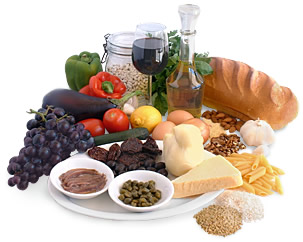
- Try Mediterranean Food – The Mediterranean diet is gaining popularity in its ability to help prevent dementia. The diet consists of fruits and vegetables, whole-grain bread and other whole-grain foods, beans, seeds and nuts.
- Stay Active – Regular exercise keeps your blood vessels healthy, which can help prevent vascular dementia and other forms of Alzheimer’s.
- Avoid Tobacco Smoke – Smoking has been proven to increase the risk of Alzheimer’s. Furthermore, new research is suggesting that simply being exposed to tobacco smoke can also increase that risk, so avoiding it altogether is the best bet.
- Keep Your Brain Busy and Stay Socially Engaged – Studies have shown that people who keep their brains active are less likely to develop dementia. Activities like crossword puzzles and reading increase your cognitive reserve.
- Keep an Eye on Depression – Currently, there still needs to be more research involving exactly how depression and dementia are linked, but studies show that there is a strong connection between the two.
Courtesy of CareNotes: The Home Care Newsletter
Home Care Assistance offers the highest quality 24/7 live-in home care in the Region of Halton (Oakville, Burlington, Halton Hills, and Milton), Region of Peel (Mississauga, Brampton and Caledon), Hamilton and surrounding areas.
Storytelling may lead to improved health
Storytelling is one of the oldest human traditions on earth. Stories are integral aspects of our lives and an important part of how we communicate, learn and grow.
According to an article in The New York Times, research is supporting the idea that storytelling is also imperative in improving health. Doctors and patients alike suggest the power of personal narratives to effectively communicate and interpret experiences concerning certain health issues.
A recent study published in The Annals of Internal Medicine reported that listening to personal narratives helped control high blood pressure in one group of patients, an outcome that was just as successful as taking additional medications.
“Telling and listening to stories is the way we make sense of our lives,” said Dr. Thomas K. Houston, lead author of the study and a researcher at the University of Massachusetts Medical School in Worcester and the Veterans Affairs Medical Center in Bedford, Mass. “That natural tendency may have the potential to alter behavior and improve health.”
Researchers explain that storytelling counteracts the initial denial a patient experiences when diagnosed. Similarly, patients might distrust the medical system or have difficulty understanding all of the information. However, stories and personal narratives are relatable, and therefore help the patient make sense of their own situation.
Stories are particularly beneficial with the more “silent” chronic diseases, such as diabetes or high blood pressure. They can help the patient realize the importance of addressing a disease that has few obvious symptoms.
“Storytelling is human,” Dr. Houston said. “We learn through stories, and we use them to make sense of our lives. It’s a natural extension to think that we could use stories to improve our health.”
Courtesy of CareNotes: The Home Care Newsletter
Home Care Assistance offers the highest quality 24/7 live-in home care in the Region of Halton (Oakville, Burlington, Halton Hills, and Milton), Region of Peel (Mississauga, Brampton and Caledon), Hamilton and surrounding areas.
6 lifestyle changes to boost your brain
It is never too early to start protecting your brain. According to an article in the Huffington Post, by the year 2030, 615,000 people are said to be diagnosed with Alzheimer’s. By 2050, that annual number is expected to be just under 1 million, with someone developing Alzheimer's every 33 seconds.
Those are very harrowing statistics. But, there are things that we can do to hopefully change those numbers.
Dr. Cindy Haines shares 6 Lifestyle changes to protect your brainpower:
1. Avoid other chronic conditions – People with other chronic conditions, like diabetes, are about twice as likely to develop dementia. Obesity, high cholesterol, and high blood pressure are all potentially chronic problems that you can control.
2. Try Mediterranean food – The Mediterranean diet is gaining support in its use in preventing dementia. Lots of fruits and vegetables, whole-grain bread and other whole-grain foods, and beans, seeds and nuts.
3. Stay Active – Regular exercise keeps your blood vessels healthy, which can help prevent vascular dementia and forms of Alzheimer’s.
4. Avoid Tobacco Smoke – Smoking is has been proven to increase the risk of Alzheimer’s. Furthermore, new research is suggesting that simply being exposed to tobacco smoke can also increase that risk.
5. Keep your brain busy and stay socially engaged – Studies have shown that people who keep their brains active are less likely to develop dementia. Activities like crossword puzzles and reading increase your cognitive reserve.
6. Keep an eye on depression - There still needs to be more research involving exactly how depression and dementia are linked, but studies show that there is a strong connection between the two.
Like I said earlier, it is important to start taking precautions to prevent dementia, no matter your age.
Home Care Assistance offers the highest quality 24/7 live-in home care in the Region of Halton (Oakville, Burlington, Halton Hills, and Milton), Region of Peel (Mississauga, Brampton and Caledon), Hamilton and surrounding areas.
Can Meditation Increase Your Pain Tolerance?
According to a study conducted in 2008 by a team from Harvard Medical School, additional benefits of daily meditation include lower stress levels, eased blood pressure and added cell protection from aging.
Therefore, try adding meditation to your daily to do list. Whether it’s an exhilarating AM wake-up call or much needed time to unwind, meditation offers irreplaceable health advantages. Not to mention, it is also a nice bonding experience for you and an elderly loved one.
By Dr. Kathy Johnson
Source: Home Care Blog
Home Care Assistance offers the highest quality 24/7 live-in home care in the Region of Halton (Oakville, Burlington, Halton Hills, and Milton), Region of Peel (Mississauga, Brampton and Caledon), Hamilton, Toronto, York Region, and surrounding areas.
Study: Soft Drinks, Sleeping Pills Linked to Heartburn
Heartburn is a symptom of a condition called gastroesophageal reflux disease (GERD). GERD occurs when stomach acids creep up into the esophagus, causing burning and chest pain and sometimes leaving a bad taste in your mouth. For many people, it can be brought on by big heavy meals, spicy foods, or alcohol. Lying down too soon after eating can also bring on heartburn. Many people have the mild form of GERD, where symptoms happen less than 3 times per week and do not interfere with sleep or daily activity. When GERD happens more frequently and to the extent that it keeps you awake, it is classified as severe. While mild GERD can generally be managed through lifestyle modifications or non-prescription medications, severe GERD usually requires prescription medication or even surgery and can even be a risk factor for esophageal cancer.
"There are simple lifestyle changes people can make to help reduce their frequency of heartburn during sleep. Reducing consumption of carbonated soft drinks, replacing benzodiazepines with other types of sleeping pills, and losing weight can all help reduce nighttime heartburn." --Dr. Paul A. Kvale, president of the American College of Chest Physicians.The study is the first to look at how many people are being kept up at night, said the study's author, Dr. Ronnie Fass. The study involved more than 15,000 Americans, all of whom filled out questionnaires on their sleep habits, medical history, social habits, and more.
"We found that up to a quarter of the U.S. population loses sleep because of nighttime heartburn, and many of these individuals have related sleep complaints and suffer from excessive daytime sleepiness," Dr. Fass said.Because excess weight is a known risk factor for heartburn and was found in the study to be one of the predictors, it's possible the rate of nighttime heartburn is lower in Canada. About half the population here is considered overweight or obese, compared to two thirds of Americans.
Among the factors that were strong predictors were soft drinks (likely because of their acidity, the researchers said), certain prescription sleeping pills known as benzodiazepines (such as diazepam (Valium), triazolam (Halcion), lorazepam (Ativan), and alprazolam (Xanax)), and having high blood pressure or asthma. Sleeping problems such as insomnia, snoring, and daytime sleepiness were also associated with nighttime heartburn.
But the good news is that the experts don't believe people who report nighttime heartburn are doomed to uncomfortable, sleepless nights.
Courtesy of Canada.com
Home Care Assistance offers the highest quality 24/7 live-in home care in the Region of Halton (Oakville, Burlington, Halton Hills, and Milton), Region of Peel (Mississauga, Brampton and Caledon) and Hamilton.
Five Essential Nutrients For Your Body
Studies show that 77% of men do not intake enough magnesium and that many of them were deficient in potassium, iodine and vitamin D and B12. Pills aside, many of us are not incorporating enough of the right nutrients in our bodies. Here are five essential nutriets to include in your diets.
Vitamin D
Vitamin D is well known to strengthen bones but it also prevents inflammation in arteries reducing the risk of a heart attack or stroke. Humans get vitamin D naturally from the sun but those who live in areas with long winters are prone to being deficient. Foods that have vitamin D include many fishes like tuna and salmon and milk-based products.Magnesium
Without enough magnesium, every cell in your body has to struggle to generate energy. -- Dana King, M.D., Medical University of South CarolinaMagnesium is involved in over 300 bodily processes and deficiencies have found to increase the risk of heart disease. Magnesium-rich foods include halibut and navy beans but look specifically for magnesium citrate, which is the form that is most easily absorbed by the body.
Vitamin B12
Vitamin B12 is all about the brain. A British study found that older people with the lowest levels of vitamin B12 lost brain volume at a faster rate over five years that those with high levels. Vitamin B12 is found boudn to protein in meats like lamb and fish like salmon. However, the most common source of B12 is from fortified cereals.Potassium
Potassium helps your cells use the sugar glucose for energy. This process is perhaps the most significant in the body as it cannot function without energy. It also helps to lower blood pressure which is important because of Western society's sodium-rich diet. Vegetables are great sources of potassium. Bananas boast 400 mg of potassium however do not even come close to the 1,600 mg of potassium found in one potato.Iodine
Iodine is used by the thyroid gland to produce hormones that control how your body burns calories. For the many out there looking for solutions to their weight-loss problems iodine may solve the source of the problem all alone. Most people get their iodine from iodinized salt however, as mentioned previously with potassium, our sodium-rich diets arleady do much harm in raising blood pressures. Fortunately iodine is also already common consumed through milk and eggs.Courtesy of Men's Health
Home Care Assistance offers the highest quality 24/7 live-in home care in the Region of Halton (Oakville, Burlington, Halton Hills, and Milton), Region of Peel (Mississauga, Brampton and Caledon) and Hamilton.
Top 10 Health Benefits of Lemon Water
![]() |
| Squeeze 1/2 lemon into a glass of water, twice daily. |
1. Good for stomach
Lemons can help relieve many digestion problems when mixed with hot water. These include nausea, heartburn and parasites. Due to the digestive qualities of lemon juice, symptoms of indigestion such as heartburn, bloating and belching are relieved. By drinking lemon juice regularly, the bowels are aided in eliminating waste more efficiently. Lemon acts as a blood purifier and as a cleansing agent. The intake of lemon juice can cure constipation. It is even known to help relieve hiccups when consumed as a juice. Lemon juice acts as a liver tonic and helps you digest your food by helping your liver produce more bile. It decreases the amount of phlegm produced by your body. It is also thought to help dissolve gallstones.2. Excellent for Skin Care
Lemon, being a natural antiseptic medicine, can participate to cure problems related to skin. Lemon is a vitamin C rich citrus fruit that enhances your beauty, by rejuvenating skin from within and thus bringing a glow on your face. Daily consumption of lemon water can make a huge difference in the appearance of your skin. It acts as an anti-aging remedy and can remove wrinkles and blackheads. Lemon water if applied on the areas of burns can fade the scars. As lemon is a cooling agent, it reduces the burning sensation on the skin.3. Aids in Dental Care
Lemon water is used in dental care also. If fresh lemon juice is applied on the areas of toothache, it can assist in getting rid of the pain. The massages of lemon juice on gums can stop gum bleeding. It gives relief from bad smell and other problems related to gums.4. Cures Throat Infections
Lemon is an excellent fruit that aids in fighting problems related to throat infections, sore throat and tonsillitis as it has an antibacterial property. For sore throat, dilute one-half lemon juice with one-half water and gargle frequently.5. Good for Weight Loss
One of the major health benefits of drinking lemon water is that it paves way for losing weight faster, thus acting as a great weight loss remedy. If a person takes lemon juice mixed with lukewarm water and honey, it can reduce the body weight as well.6. Controls High Blood Pressure
Lemon water works wonders for people having heart problem, owing to its high potassium content. It controls high blood pressure, dizziness, nausea as well as provides relaxation to mind and body. It also reduces mental stress and depression.7. Assist in curing Respiratory Disorders
Lemon water assists in curing respiratory problems, along with breathing problems and revives a person suffering from asthma.8. Good for treating Rheumatism
Lemon is also a diuretic and hence lemon water can treat rheumatism and arthritis. It helps to flush out bacteria and toxins out of the body.9. Reduces Fever
Lemon water can treat a person who is suffering from cold, flu or fever. It helps to break fever by increasing perspiration.10. Acts as a blood purifier
The diseases like cholera or malaria can be treated with lemon water as it can act as a blood purifier.Courtesy of Life Mojo
Home Care Assistance offers the highest quality 24/7 live-in home care in the Region of Halton (Oakville, Burlington, Halton Hills, and Milton), Region of Peel (Mississauga, Brampton and Caledon) and Hamilton.
6 Health Benefits of Having Pets
Source: Home Care Blog
Home Care Assistance offers the highest quality 24/7 live-in home care in the Region of Halton (Oakville, Burlington, Halton Hills, and Milton), Region of Peel (Mississauga, Brampton and Caledon) and Hamilton.
A Healthy Heart Equals A Healthy Mind
"The results are interesting in that they suggest cardiac index and brain health are related," Angela L. Jefferson, Ph.D., the study's lead author and associate professor of neurology at the Boston University School of Medicine, “The association cannot be attributed to cardiovascular disease because the relationship also was seen when we removed those participants with known cardiovascular disease from our analyses."
"There are several theories for why reduced cardiac index might affect brain health. For instance, a lower volume of blood pumping from the heart might reduce blood flow to the brain, providing less oxygen and fewer nutrients needed for brain cells. It is too early to dole out health advice based on this one finding but it does suggest that heart and brain health go hand in hand." -- Angela Jefferson
Don't smoke
Get moving
Eat heart-friendly foods
Watch your weight
Get regular health screenings
Source: 50plus.com
Home Care Assistance offers the highest quality 24/7 live-in home care in the Region of Halton (Oakville, Burlington, Halton Hills, and Milton), Region of Peel (Mississauga, Brampton and Caledon) and Hamilton.
New Tea on the Block: Pu-erh
| Xiaguan Te Ji (Special grade) raw tuo cha |
Source: CareNotes Newsletter (Volume 3, Number 3)
Home Care Assistance offers the highest quality 24/7 live-in home care in the Region of Halton (Oakville, Burlington, Halton Hills, and Milton), Region of Peel (Mississauga, Brampton and Caledon) and Hamilton.
The Life-Saving Effects of Music Making
| A pastor playing a Yamaha Clavinova. |
Barry Bitman, MD, the president and CEO of the Yamaha Music and Wellness Institute is currently leading some of the most extensive research to date on the health benefits of playing music. His research team has found that music can lead to reduced stress and a stronger immune system. Recreational music-making modulates natural killer cell activity in the body, a marker of immune response and has been shown to reverse stress at the DNA level according to the Medical Science Monitor. Recreational music-making is defined, by Yamaha, by music-based activities that unite people of all ages and music experience. According to Dr. Bittman, only 7.6% of adults in the U.S. play a musical instrument, and it is his wish that playing instruments be encouraged among adults and in health care settings. Recreational music-making provides exercise, social support, spirituality, intellectual stimulation, and unites the body, mind and spirit. This could especially be beneficial for seniors, as playing an instrument has also been found to “improve mood, lower blood pressure, and affect the course of many diseases including cancer and heart disease.”
Dr. Bittman began his career as a mainstream neurologist but has taken on a more collaborative and holistic approach to helping people. In the early 1990s, he studied laughter's effects on the immune system and since then has focused on ways people can take a more active role in their health and well-being. Dr. Bittman's first study into music and wellness was in 2001 when he identified drumming's positive effects on natural killer cell activity.
The goal is not to teach music but rather to enable non-music players to play music without much prior experience. Yamaha's Clavinova is a digital piano that samples sounds from actual instruments allowing users to recreate full orchestras complete with flutes, trumpets, and saxophones. In a study observing the usage of the Clavinova, researchers found a positive impact on attentiveness, active participation, socialization, positive mood, contentment, and meaningful self-expression in 550 seniors living in long-term care centres. Even with stressed students, the Clavinova demonstrated reduced burnout, improved mood states, and decreased attrition in 75 first-year nursing students. In this case, each acute care hospital saved a projected #322,000 for a combined $1.5 billion annually for the health-care industry.
Currently, the Yamaha Music and Wellness Institute is evaluating the impact of recreational music on cardiovascular disease such as cancer and heart disease while analyzing the entire human genome. Dr. Bittman also hopes to learn more about the role of music as an effective stress reducer for people facing life-threatening illnesses. He believes that everyone is innately musical and that we should all realize our capacity for making music at some point in our lives.
Source: ThirdAge.com
Home Care Assistance offers the highest quality 24/7 live-in home care in the Region of Halton (Oakville, Burlington, Halton Hills, and Milton), Region of Peel (Mississauga, Brampton and Caledon) and Hamilton.
Adopt a Brain-Healthy Diet
According to the most current research, a brain-healthy diet is one that reduces the risk of heart disease and diabetes, encourages good blood flow to the brain, and is low in fat and cholesterol. Like the heart, the brain needs the right balance of nutrients, including protein and sugar, to function well. A brain-healthy diet is most effective when combined with physical and mental activity and social interaction. Manage your body weight for overall good health of brain and body. A long-term study of 1,500 adults found that those who were obese in middle age were twice as likely to develop dementia in later life. Those who also had high cholesterol and high blood pressure had six times the risk of dementia. Adopt an overall food lifestyle, rather than a short-term diet, and eat in moderation. Reduce your intake of foods high in fat and cholesterol. Studies have shown that high intake of saturated fat and cholesterol clogs the arteries and is associated with higher risk for Alzheimer’s disease. However, HDL (or “good”) cholesterol may help protect brain cells. Use mono- and polyunsaturated fats, such as olive oil, for example. Try baking or grilling food instead of frying. Increase your intake of protective foods. Current research suggests that certain foods may reduce the risk of heart disease and stroke, and appear to protect brain cells.
In general, dark-skinned fruits and vegetables have the highest levels of naturally occurring antioxidant levels. Such vegetables include: kale, spinach, brussels sprouts, alfalfa sprouts, broccoli, beets, red bell pepper, onion, corn and eggplant. Fruits with high antioxidant levels include prunes, raisins, blueberries, blackberries, strawberries, raspberries, plums, oranges, red grapes and cherries.
Cold water fish contain beneficial omega-3 fatty acids: halibut, mackerel, salmon, trout and tuna.
Some nuts are useful; almonds, pecans and walnuts are a good source of vitamin E, an antioxidant.
Not enough information is available to indicate what quantities of these foods might be most beneficial for brain health. For example, it is not clear how much fruit would have to be consumed to have a detectable benefit. However, a study of elderly women showed that those who ate the most green, leafy and cruciferous vegetables in the group were one to two years younger in mental function than women who ate few of these vegetables.
Vitamins may be helpful. There is some indication that vitamins, such as vitamin E, or vitamins E and C together, vitamin B12 and folate may be important in lowering your risk of developing Alzheimer’s. A brain-healthy diet will help increase your intake of these vitamins and the trace elements necessary for the body to use them effectively.
Source: Alzheimer's Association
Home Care Assistance offers the highest quality 24/7 live-in home care in the Region of Halton (Oakville, Burlington, Halton Hills, and Milton), Region of Peel (Mississauga, Brampton and Caledon) and Hamilton.
Study: Having Close Friends Leads to Longer Life
By Kevin Lee
"Our relationships can have direct health benefits. They can help us cope with stress. We know we can count on people and have those resources available." - Holt-LunstadHaving close friends or a support network of caring people can be crucial to getting through the tougher moments in life and has been linked to the stress-regulating hormone, oxytocin. Sharing problems with one another is an excellent stress reliever and gives people the sense that their pain is not exclusive to themselves. The study states that being part of a social network makes people feel needed and boosts self-esteem leading to taking better care of oneself.
"Social contact is to humans what water is to fish: you don't notice it until it's missing and then you realize it's really important" - John Cacioppo, University of ChicagoHolt-Lunstad suggests that the decline of inter-generational living arrangements and increasing affluence are intensifying the trend of isolation among middle- and higher-aged people. A 2006 study in the American Sociological Review found that "over the last two decades, there has been a three-fold increase in the number of Americans who report having no confidante" With the emerging role of technology in people's social lives, Holt-Lunstad wonders if the trade-off in face time for online time can have the same benefits. As Facebook recently reached its 500 millionth user, we should take time a reflect on the nature of our social interactions. Holt-Lunstad's study, co-authored with Timothy Smith and J. Bradley Layton appears in the current issue of the journal PLoS Medicine.
Source: Globe and Mail, Wednesday July 28 Edition (A2), globeandmail.com
Home Care Assistance offers the highest quality 24/7 live-in home care in the Region of Halton (Oakville, Burlington, Halton Hills, and Milton), Region of Peel (Mississauga, Brampton and Caledon) and Hamilton.
How to Live to 102 - Secret #10
Eat fish. Oily fish like salmon, mackerel and albacore tuna are high in omega-2 fatty acids which lowers blood fat and blood pressure and reduces risk factors for heart disease, diabetes, and stroke.
Source: Montreal Gazette
Home Care Assistance offers the highest quality 24/7 live-in home care in the Region of Halton (Oakville, Burlington, Halton Hills, and Milton), Region of Peel (Mississauga, Brampton and Caledon) and Hamilton.
How to Live to 102 - Secret #8
Find companionship with a pet like a dog, cat or bird. There is solid evidence that owning a pet can reduce stress, lower blood pressure, lower cholesterol levels, lower heart attack rates, combat depression and stimulate exercise and improve fitness.
Home Care Assistance offers the highest quality 24/7 live-in home care in the Region of Halton (Oakville, Burlington, Halton Hills, and Milton), Region of Peel (Mississauga, Brampton and Caledon) and Hamilton.
Why Any and All Activity Matters
A recent study from the Appalachian State University's Human Performance Lab even showed that people who took a brisk walk five days a week had fewer and less severe colds and flus than sedentary control subjects. So it's not just long-term chronic and fatal conditions that being fit staves off – regular exercise actually helps you battle the common cold, too!
Beyond full-on exercise, however, a recent study out of Australia also shows the health risk of being inactive. The study from the physical activity lab at the Baker IDI Heart and Diabetes Institute in Victoria, Australia found that the more television its subjects watched, the greater risk they had of dying at a younger age, particularly from heart disease.
Subjects in the study who watched four hours or more of television per day were 80% more likely to die from heart disease and 46% more likely to die from all causes, even when factors such as: education levels, overall health, age, past smoking, waist circumference, cholesterol levels, and blood pressure of the subjects was taken into account.
The study concluded that the real problem with television watching is that it is done while sitting, and sitting with extraordinarily little muscle movement. Such "extreme" inactivity affects metabolism overall, not just during the time spent inactive. A study from July 2008 showed that standing engages muscles and promotes the distribution of lipase, a fat-absorbing enzyme that triggers the body to process fat and cholesterol. Most important, the benefits of this regular, unremarkable movement are independent from the amount of time subjects spent exercising.
That same study found that the health consequences that develop from too much sitting are very different and independent from those that result from too little exercise. Along with the recent Australian study, it found that the negative health consequences of prolonged periods of sitting – larger waistlines, higher bad cholesterol levels, lower good cholesterol levels, heart disease risks – were not fully counteracted by regular exercise.
In other words, regular exercise – beneficial as it is – doesn't counteract the negative effects of long periods of inactivity.
Part of the issue is that television watching is fundamentally inactive. Harvard Health Publications estimates that, when it comes to calories burned, watching television (56 calories per hour) is closer to sleeping (46 calories per hour) than it is to sitting and reading (84 calories per hour), which itself is more akin to standing in line (94 calories per hour) than it is to watching television. (Note: calorie counts are for a 155-pound person.) In other words, watching television is an inactive as a person can get without sleeping.
Along with limiting television watching, these studies point to the importance of remaining active throughout the day. The good news is that it ends up that the simple physical movements of standing and moving between rooms has significant health benefits. When watching television, standing up during commercial breaks, going to get a glass of water, or even putting down the remote control and getting up to change channels and adjust volume the old-fashioned way can help people from staying in one extremely inactive position for extended periods of time.
Light household tasks and self-care – activities encouraged by the Balanced Care Method™ whenever clients are physically able – can help keep people moving. Not only does such daily activity help keep people physically active longer, we now know it also can help fight heart disease and other health risks.

