Showing posts with label Stress. Show all posts

Heart Health 101, free public webinar : Update

We are thrilled with the positive feedback we have received in response to last week’s announcement about our up and coming Heart Health 101 webinar. As a reminder, Heart Health 101 takes place on Friday, February 17th at 11am PST/2pm EST and will provide practical information and tips that you can apply in your daily life to maintain heart health.


If you have not done so already, please sign-up today because space is limited to the first 1000 registrants and we have already filled a large number of spots. We recommend this webinar for anyone who is interested in health and wellness topics, especially those with a personal or family history of heart disease.
 
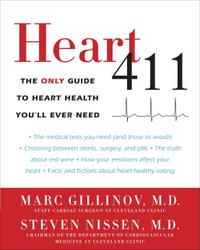
Heart Health 101 will be presented by renowned Cleveland Clinic heart experts Dr. Steve Nissen, Chair of the Cardiac Department, and Dr. Marc Gillinov, a recognized Cardiovascular Surgeon. Drs. Nissen and Gillinov, in addition to being accomplished physicians, are the authors of Heart 411-The Only Guide to Heart Health You'll Ever Need, released this month to coincide with Heart Month.
 
As an added incentive we are giving away autographed copies of Heart 411. We will be sending copies of the book to the first 5 people who post a heart health question or tip on our Facebook wall and share our webinar link with their friends.
 
Heart Health 101 kicks off our Home Care Assistance Healthy Longevity Series. We believe in empowering people to be proactive and informed when it comes to their health. Our Healthy Longevity Webinar Series brings experts from a diverse spectrum of health and wellness fields to both our clients and the broader community in an engaging and informative format. The webinars are offered for free to the public as part of our broader education initiatives. Be sure to check our website frequently for updates on upcoming webinars, educational initiatives and company announcements!


Home Care Assistance offers the highest quality 24/7 live-in home care in the Region of Halton (Oakville, Burlington, Halton Hills, and Milton), Region of Peel (Mississauga, Brampton and Caledon), Hamilton and surrounding areas.

Heart Health 101, a free public webinar that highlights practical how-to tips for avoiding heart disease


In honor of Heart Month in the United States and Canada, Home Care Assistance is excited to present Heart Health 101, a free public webinar that highlights practical how-to tips for avoiding heart disease and expert recommendations for individuals managing an existing heart condition or cardiac recovery.
 
  • Heart disease is the leading cause of death in North America, accounting for almost 25% of mortalities. There is a heart related fatality in America every single minute
  • Every year, almost one million Americans and Canadians will suffer their first heart attack. Another 500,000 individuals who have already had a heart attack will suffer another attack
  • There are many health, exercise and diet related activities that can dramatically reduce the incidence of heart attack
 
Heart Health 101 is presented by renowned Cleveland Clinic heart experts Dr. Steve Nissen, chair of the Cardiac Department, and Dr. Marc Gillinov, a recognized Cardiovascular Surgeon. Drs. Nissen and Gillinov, in addition to being accomplished physicians, are the authors of Heart 411-The Only Guide to Heart Health You'll Ever Need; released this past Tuesday to coincide with Heart Month.
 
The webinar will be held on February 17th at 11AM Pacific, 2PM Eastern. We recommend this webinar for anyone who’s interested in health and wellness topics, especially those who have a history of heart disease in your family. Space is limited to the first 1000 registrants, so make sure to reserve your seat today.

The book has been described as the definitive guide to heart health from two of America's most respected doctors at Cleveland Clinic, the leading hospital for heart health in America. Their book is a valuable resource for anyone interested in heart health that provides answers to common questions such as “Can a high stress job really lead to a heart attack?” and “What are the most important medical tests to run to check on heart health?” in an accessible way and provides useful health tips from which everyone can benefit.
 
"Good information is the key to good heart health, said Dr. Gillinov, Cardiac Surgeon at Cleveland Clinic. Myths and misinformation abound. Our mission is to arm people with real, evidence-based medical information that will empower them to ensure their heart health."
 
Heart Health 101 is part of a broader initiative to provide the public with free education and resources on healthy longevity. In addition to the webinar, Home Care Assistance is providing free copies of our Patient Guide to Cardiac Rehabilitation and Patient Guide to Post-Stroke Recovery. You can request these materials from any of our 75 locations across North America or visit our website for a free download. Stay tuned for more webinars from Home Care Assistance!


Home Care Assistance offers the highest quality 24/7 live-in home care in the Region of Halton (Oakville, Burlington, Halton Hills, and Milton), Region of Peel (Mississauga, Brampton and Caledon), Hamilton and surrounding areas.

Climate change and your health


On some days, you look out the window to check the skies for rain or snow. You stretch an arm out an open window to gauge the temperature or turn on the local news to find out the day's high. Day to day, the weather may decide your wardrobe or your route to work. Season to season, you may notice fluctuations from colds and flu to allergies and sunburns. But what about the climate and the overall quality of the weather over time? Can climate change impact your health?

Climate change in a nutshell

People use a lot of energy, and most of the energy we've used over the last century has been created through the burning of non-renewable fossil fuels. The fossil fuels we use - including the gas in our cars and the coal that still heats some homes - release carbon dioxide (CO2) into the atmosphere.
CO2 is also produced naturally by the environment and is an essential part of many natural processes, such as plant photosynthesis. CO2 is naturally regulated to keep the amount of it in balance between the atmosphere and the land and the ocean.
However, this CO2 and other greenhouse gases appear to be accumulating and trapping the sun's heat and radiation in the atmosphere. This increase of CO2 in the atmosphere is caused by the change in our climate: air and water temperatures have risen and weather patterns have begun to shift. Basically, we have managed to change the world's climate.

How climate change may affect your health

In the years to come, our world's climate will become warmer and more unpredictable. Climate change and global warming have been acknowledged by the World Health Organization (WHO) as a threat to human health, especially to those living in the poorest regions of the world.
The heat is on. Climate changes may bring about more frequent heat waves and the health problems that accompany extreme heat: heat stroke, dehydration, respiratory problems, and cardiovascular distress. With hot, dry conditions, some areas of the world may see more droughts and depleted crops, which would contribute to hunger and malnutrition. In urban areas, extreme heat can worsen smog and pollution. Unpredictable shifts in temperature can take people by surprise. The very young, the very old, and the very frail, tend to be most negatively impacted by heat waves.
Rain and its runoff. Inconsistent patterns of rain could result in more frequent catastrophic hurricanes and flooding. Floodwaters can compromise water safety and become breeding grounds and transporters for any number of waterborne illnesses. Floodwaters contaminated with human or animal waste can trigger diarrhea outbreaks due to bacteria, as with cholera, E. coli, and typhoid, or from viruses like hepatitis A.
Bugs spreading bugs. Insects and other animals act asvectors (carriers) of infectious diseases that can be transmitted to people. As the climate grows warmer, mosquitoes, ticks, and other disease vectors spread into new territories and live for longer periods of time than they normally would. With longer lives and wider reach, these vectors have new and more numerous opportunities to transmit infections like malaria, Lyme disease, or dengue fever.
Pollen and other allergens. Climate shifts could also shift the growth patterns of certain plants. This becomes troublesome when those plants are irritants or allergens. Scientists have noted proliferations of stronger, more abundant poison ivy, ragweed, and earlier onset of pollen season.

The climate has changed. Have you?

The climate is the context in which we live, and it's impossible to escape it. It also feels like the kind of thing over which you have little control. While you can't cool a heat wave or pacify a surging hurricane, you can begin to turn the climate tide through your own individual actions.
Be a proactive weather watcher. You can tune in to the weather report for a forecast of the temperature and overall conditions. Will it rain? Do I need a jacket? Warnings and bulletins alert people of pending extreme weather events, like tornadoes, tsunamis, or floods. Additional forecasts and advisories can warn you of various day-to-day fluctuations in atmospheric conditions.
Keep an eye on the barometric pressure and wind velocity, as factors like these can impact your health. Many news forecasts will issue UV warnings to rate the strength of the sun's ultraviolet radiation on a given day. Pollen levels and air quality indexes warn of days with high smog, pollution, or allergen levels. On days with higher warning levels, you would know to take extra precautions to protect your health. Some of these include:

  • wearing sunscreen, hat, and sunglasses to protect your skin from UV radiation
  • staying indoors during days of high smog, especially if you have medical conditions that can be affected by poor air quality (e.g., asthma)
  • drinking lots of water during extreme heat warnings to prevent dehydration
Help those who need it. Those who have limited resources to adapt to climate changes and extreme weather shifts can fall victim to the elements. During extreme weather shifts, remember those in your area who may need extra support: the elderly, the homeless, or the economically challenged. Act on the behalf of their health and safety by making material or financial donations to help provide fans or air conditioning and cooling units during a heat wave, blankets or coats during an intense cold snap, or shelter after a catastrophic storm.
Think globally, act locally. As you move through your days and make choices, the wider world should stay in your thoughts. Even if you live in a big city and work all day in an office, you are part of the natural world. The small decisions you make each day impact everyone else, albeit in gradual, cumulative ways:
  • carry reusable shopping bags instead of plastic bags
  • take public transit, carpool, walk, or ride a bike instead of driving your car
  • invest in a safe, reusable water bottle instead of buying single-serving plastic water bottles
  • turn off lights when you don't need them - switch to more efficient appliances, and shut them down when not in use
Amy Toffelmire


Home Care Assistance offers the highest quality 24/7 live-in home care in the Region of Halton (Oakville, Burlington, Halton Hills, and Milton), Region of Peel (Mississauga, Brampton and Caledon), Hamilton and surrounding areas.

How to Live to 102 - De-stress

According to medical journal Stress, men with the highest stress levels had twice the risk of a fatal stroke compared to those who were stress-free.

Source: Men's Health


Home Care Assistance offers the highest quality 24/7 live-in home care in the Region of Halton (Oakville, Burlington, Halton Hills, and Milton), Region of Peel (Mississauga, Brampton and Caledon), Hamilton and surrounding areas.

Eat Right and Get Active - Get the adrenaline pumping

According to a study researchers at Texas A&M University, people who partake in adrenaline-pumping exercises like mountain climbing or white water rafting handle stress better than those who live sedentary lifestyles.

Source: Men's Health


Home Care Assistance offers the highest quality 24/7 live-in home care in the Region of Halton (Oakville, Burlington, Halton Hills, and Milton), Region of Peel (Mississauga, Brampton and Caledon), Hamilton and surrounding areas.

Taking care of a pet can improve your health

A dog may be more than just a best friend – research is suggesting the importance of a pet as a means for treatment.

According to aarp.com, 62% of Americans own a pet for the companionship, love and affection that these animals afford them. While these benefits are great, numerous studies are reporting actual health benefits associated with owning a furry friend.

Here are a few ways in which pets can improve your health:
  • Pets help recovery from heart attacks – A study from the National Institutes of Health found that dog owners had a higher survival rate after a heart attack, compared to those who did not own dogs.
  • Pets help reduce stress…more so than humans do.
  • Pet owners are less obese – Pet owners are more active, simply because they want their pets to stay active and healthy as well.
  • Pet owners have better mobility as they age – a National Institutes of Health study found that adults aged 71-82 who regularly walked their dogs were more mobile, compared to those who did not own pets.
  • Pets can help with cholesterol – The Centers for Disease Control and Prevention states that owning a pet can decrease cholesterol, triglycerides and blood pressure.

There are so many different pet options out there for everyone. If you are not a cat or dog person, try getting a fish or other small animal. It will be great for your health and happiness!

Courtesy of CareNotes: The Home Care Newsletter

Home Care Assistance offers the highest quality 24/7 live-in home care in the Region of Halton (Oakville, Burlington, Halton Hills, and Milton), Region of Peel (Mississauga, Brampton and Caledon), Hamilton and surrounding areas.

5 activities to ease your mind during tax season

With tax season upon us, it is important to stay calm during this stressful time of year. Although you may not be fully aware of the tension your body is under, your psyche will thank you by making a habit of these five activities.

1. Be aware of your thoughts: Henry Emmons, MD, author of The Chemistry of Calm, suggests focusing on your body during a stressful or frustrating experience. For example, concentrating on your breathing patterns is much more beneficial than replaying the situation over and over in your mind.

2. Be physical: Move your body in fast-paced exercises, or walk up a few flights of stairs to help balance out stress hormones. Deep-breathing also helps to keep you calm and controlled.

3. Eat carefully: Anger and frustration can lead to poor eating habits. Keeping the lid on the cookie jar during a stressful moment can also help keep your blood-glucose level down (and caloric intake!). Instead, Elizabeth Somer, RD and author of Eat Your Way to Happiness, suggests treating yourself to fruit dipped in dark chocolate. The dark chocolate can help reduce stress hormones in the body.

4. Phone a friend: Research shows good company causes our bodies to release oxytocin, a hormone that releases endorphins and brightens your mood. Creating time in the day for a friend is a great way to naturally increase your mood.

5. Before-bed writing: Once you are settled in bed, grab a paper and pen to jot down any disconcerting or troubling thoughts that are lingering on your mind. Transcribing your experiences will not only help clear your mind, but also give you a better night's rest.

So, if tax season and life’s other nuances are weighing on your mind a little more than normal, implement several of these five tips to help cope with the stress and ease your mind.

Home Care Assistance offers the highest quality 24/7 live-in home care in the Region of Halton (Oakville, Burlington, Halton Hills, and Milton), Region of Peel (Mississauga, Brampton and Caledon), Hamilton and surrounding areas.

Five signs of stress to watch out for


Your body reacts to stress in many ways and when you are stressed out, your general health is diminished. Here are five of the most noticeable signs that stress has taken over your body.


1. Sneezing or sniffling: It may be the common cold, or a weakened immune system. Thus, your sensitivity to various allergens has heightened.

Solution: Exercise. Taking a brisk walk every day for at least 20 minutes gets your blood pumping and your heart rate up. Both are important for your immune system to rebound, as well as bring your stress level down.

2. Breaking out: A stressful situation causes your body to emit adrenaline, which can help you act quickly physically if needed. Unfortunately, it can also prompt an excess amount of sebum, the oil found in facial pores.

Solution: Keep your face cleansed twice a day. Purchasing a new cleanser for medium to high oily skin can further help combat your pimple outbreaks.

3. Patchy scalp: With high anxiety, stress hormones tend to affect hair follicles, interfering with hair growth.

Solution: Up your mineral and vitamin intake to jump start hair growth. Omega-3 fatty acids like those found in salmon and vitamin B12 all provide nourishment for healthy hair.

4. Painful jaw movements: Some people tend to grind their teeth when stressed-out, even during sleep.

Solution: Relaxing your muscles before bed may also naturally keep your jaw relaxed. Using a warm compress on your jaw can also help. If the grinding persists, your dentist can provide a specialized mouth guard to keep your teeth from being damaged.

5. Strong appetite for junk food: In addition to adrenaline, your body also pumps out cortisol, a hormone responsible for craving sweets and other unhealthy foods for energy purposes.

Solution: Tying these random cravings to any stressful moments you may have recently experienced can help you resist the bag of chips and instead turn to a healthier alternative like Wheat Thins or sugar-less gum until the craving subsides.

These five symptoms are only a few of the many reactions our bodies have to high anxiety. Stress can harmfully affect all aspects of our lives, from eating habits and appearance, to mental wellness. It is important to identify how your body changes during and after stressful situations so that you can begin to develop better reactions to stress, and therefore, a better state of living.


Home Care Assistance offers the highest quality 24/7 live-in home care in the Region of Halton (Oakville, Burlington, Halton Hills, and Milton), Region of Peel (Mississauga, Brampton and Caledon), Hamilton and surrounding areas.

Caring for caregivers

By the Numbers
66: Percent of family caregivers who are women
20: Hours of in-home care family caregivers provide each week (often unpaid)
4 to 8: Number of years caring for an Alzheimer’s patient can shorten your life
46: percent of caregivers who are clinically depressed

Roughly 65 million people in the United States are caring for a chronically ill, disabled or elderly family member. The vast majority of these people are also raising kids and holding down full-time jobs and consequently they’re burning out.

“So many caregivers suffer from stress and health issues,” said Susan Baida, 42, co-founder of eCareDiary.com, a website that offers online tools to help caregivers understand the diverse aspects of their duties, including medical legal and financial issues.

Baida’s father-in-law, who had Parkinson’s disease, saw his condition worsen in his early 80s. Baida and her husband, John Mills, took intense care of him the last few years of his life. He died in 2007. Now, Baida’s 92-year-old grandfather is living in a nursing home with dementia.

“My husband and I both have experience in the healthcare and technology fields, and we were stunned at how decentralized the services are. The hospitals don’t talk to the long-term care service providers who don’t talk to the insurance companies. The caregiver becomes the CEO.” -- Susan Baida
To prevent burnout, Dr. Kathy Johnson, founder and chief executive officer of Home Care Assistance, suggests a number of steps caregivers can take to protect their health and stress levels. She recommends that caregivers stay involved in personal hobbies, eat a well-balanced diet, join a caregiver support group, and rotate the caregiving responsibilities (bathing, eating, medication) among family members to vary the duties. If you feel guilty for taking time for yourself, stop. “The best role you can play is that of son, daughter, loved one and to rekindle the original relationship you had with the person you’re caring for. There is no guilt in that,” said Johnson.

To help manage their own health and stress levels, Baida and her husband exercised together. “It got to the point where there was so little time for any focus on ourselves as a couple—we couldn’t take vacations—that exercise was our respite. We would go to the gym and work off our stress and anger.” Baida’s husband also sought counseling, which turned out to be a saving grace. “I couldn’t be his sounding board because I wasn’t a neutral party,” Baida said.

Diane Kelley, 55, a resident of Germantown, is caring for her parents, both in their early 80s, who live on Lake Winnepesaukee in New Hampshire. Kelley made the nine-hour trip once a month this past summer after she noticed her mom and dad, who both suffer forms of dementia, struggled to manage their daily activities. She called them daily until it became too much. “I was trying to coordinate their medical care, their calendars, and help them with their meds.” Her parents would get confused and often forgot the conversations Kelley had had with them just the day before. Kelley solicited the help of her siblings and her parents’ grandchildren. This winter, the family came to a mutually agreeable decision to put Kelley’s parents in a temporary care facility.

Now, Kelley wishes she had talked about long-term care issues with her parents in the past, when they were able to make rational decisions. Baida thinks that’s a good idea. “If there is a history of stroke or heart disease in your family, ask your parents what their wishes would be if they were afflicted,” Baida said. And get legal documents in order. Called advanced directives, the documents allow people to dictate who they want to be in charge of their health care if they become physically or mentally incapacitated, and allows people to choose what life-sustaining measures they do—or don’t—want. Finally, Baida recommends long-term care insurance. “The earlier you sign up, the less expensive it is.”

Home Care Assistance offers the highest quality 24/7 live-in home care in the Region of Halton (Oakville, Burlington, Halton Hills, and Milton), Region of Peel (Mississauga, Brampton and Caledon), Hamilton and surrounding areas.

Can Meditation Increase Your Pain Tolerance?

One scientist from the Université de Montréal seems to think so. When performing a study on long-time Zen meditators, Joshua Grant and his colleagues discovered that their tolerance for pain far outweighed the tolerance of the subjects in the control group. This was a result of the thicker layer of gray matter in the area of the brain that processes pain sensory, most likely the result of sustained activity of the brain – much like working out a muscle. Not only does old age work against the thickness of gray matter, but also the lack of mental activity for those in their middle ages. Therefore, seniors who are consistently doing things like meditation, crossword puzzles and other “thinking games,” have improved memory and mental capacities.

According to a study conducted in 2008 by a team from Harvard Medical School, additional benefits of daily meditation include lower stress levels, eased blood pressure and added cell protection from aging.

Therefore, try adding meditation to your daily to do list. Whether it’s an exhilarating AM wake-up call or much needed time to unwind, meditation offers irreplaceable health advantages. Not to mention, it is also a nice bonding experience for you and an elderly loved one.

By Dr. Kathy Johnson
Source: Home Care Blog

Home Care Assistance offers the highest quality 24/7 live-in home care in the Region of Halton (Oakville, Burlington, Halton Hills, and Milton), Region of Peel (Mississauga, Brampton and Caledon), Hamilton, Toronto, York Region, and surrounding areas.

Have a stress-free holiday season


By Dr. Kathy Johnson

With the holiday season upon us and in full force, it is no surprise that with all the holiday cheer also comes holiday stress! All the shopping, decorating and family get to gathers can make your head spin!  With that said, here are some ways to reduce stress during the holiday season.

If you’re a caregiver for an elderly loved one, help make their gift shopping easier by taking them to the mall when there are no or little crowds. You can even skip the mall entirely and help your loved one purchase their holiday gifts from a catalogue or online in the comfort and safety of their home.

As a caregiver, you are attending to the needs of your elderly loved ones, but don’t forget to take some time for yourself as well.  Caregiver burnout during the holiday season could turn you into a Scrooge! Bah-humbug!

Something fun for you to do with your loved one is cooking together.  Family meals are at the heart of most holiday traditions.  As a caregiver, try to plan out the meals ahead of time because some ingredients may have to be modified to accompany the dietary restrictions of the senior.

Hopefully these tips will make your holiday less stressful and more enjoyable!

Courtesy of Home Care Blog

Home Care Assistance offers the highest quality 24/7 live-in home care in the Region of Halton (Oakville, Burlington, Halton Hills, and Milton), Region of Peel (Mississauga, Brampton and Caledon) and Hamilton.

How to Keep Your Heart Strong and Healthy

"In the future, invasive surgery will be viewed as barbaric. Advances in genetics mean we now understand heart disease on a higher plane. That will translate to better preventative treatments." -- John Elefteriades, M.D., Chief of Cardiac Surgery at the Yale School of Medicine.

In the October 2010 issue of Men's Health, Dr. Elefteriades provides some preventative measures that men and women can take in their lifestyles to significantly strengthen their heart and improve their health.

Cardiovascular Exercise

"Aerobic exercise is key; I hit the rower, stationary bike, and treadmill." says Elefteriades. For maximum benefit, use high-intensity interval drills rather than steady-state training.

Maintain a Healthy Weight

Maintaining a certain weight level is as simple as burning as many calories as one intakes. When the scale begins to climb out of range, simply eat less calories or exercise more during the day. The great thing about exercise is that more of it does not neccessarily preclude more eating for sustenance. One possible reason is that exercise suppresses the hormone ghrelin, which stimulates appetite. Even if you have trouble keeping the weight off, your body will be much healthier from past exercise.

Manage Stress

Find an activity that you truly enjoy and take some time out of your schedule to devote to that activity. Elefteriades manages his stress with a pen and paper. "I've started writing fiction. It helps me relax because I have total control over the outcome of events, unlike in my day job." Chewing on sugarless gum has also been shown to boost your brain's relaxation response to stress as well as sharpening your focus.

Source: Men's Health, October 2010

Home Care Assistance offers the highest quality 24/7 live-in home care in the Region of Halton (Oakville, Burlington, Halton Hills, and Milton), Region of Peel (Mississauga, Brampton and Caledon) and Hamilton.
Top Ten Tips For Mental Health

 1. Build Confidence

Identify your abilities and weaknesses together, accept them build on them and do the best with what you have.

2. Eat right, Keep fit

A balanced diet, exercise and rest can help you to reduce stress and enjoy life.

3. Make Time for Family and Friends

These relationships need to be nurtured; if taken for granted they will not be there to share life's joys and sorrows.

4. Give and Accept Support

Friends and family relationships thrive when they are "put to the test".

5. Create a Meaningful Budget

Financial problems cause stress. Over-spending on our "wants" instead of our "needs" is often the culprit.

6. Volunteer

Being involved in community gives a sense of purpose and satisfaction that paid work cannot.

7. Manage Stress

We all have stressors in our lives but learning how to deal with them when they threaten to overwhelm us will maintain our mental health.

8. Find Strength in Numbers

Sharing a problem with others who have had similar experiences may help you find a solution and will make you feel less isolated.

9. Identify and Deal with Moods

We all need to find safe and constructive ways to express our feelings of anger, sadness, joy and fear.

10. Learn to Be at Peace with Yourself

Get to know who you are, what makes you really happy, and learn to balance what you can and cannot change about yourself.

Courtesy of the Canadian Mental Health Association (CMHA)

Home Care Assistance offers the highest quality 24/7 live-in home care in the Region of Halton (Oakville, Burlington, Halton Hills, and Milton), Region of Peel (Mississauga, Brampton and Caledon) and Hamilton.

Top 10 Health Benefits of Lemon Water

Squeeze 1/2 lemon into a glass of water, twice daily.
Lemons are an incredible healthy and often delicious ingredient for many foods and beverages. Lemon juice consists of about 5% citric acid that is responsible for the tarty taste in lemons. Lemons are also a rich source of vitamin C, vitamin B, riboflavin and minerals like calcium, phosphorus, magnesium as well as proteins and carbohydrates. There are enormous benefits of lemon juice and water in your everyday life. Lemon water makes a healthy drink that is incredibly refreshing in the morning. Daily consumption of lemon water provides a number of health benefits like:


1. Good for stomach

Lemons can help relieve many digestion problems when mixed with hot water. These include nausea, heartburn and parasites. Due to the digestive qualities of lemon juice, symptoms of indigestion such as heartburn, bloating and belching are relieved. By drinking lemon juice regularly, the bowels are aided in eliminating waste more efficiently. Lemon acts as a blood purifier and as a cleansing agent. The intake of lemon juice can cure constipation. It is even known to help relieve hiccups when consumed as a juice. Lemon juice acts as a liver tonic and helps you digest your food by helping your liver produce more bile. It decreases the amount of phlegm produced by your body. It is also thought to help dissolve gallstones.

2. Excellent for Skin Care

Lemon, being a natural antiseptic medicine, can participate to cure problems related to skin. Lemon is a vitamin C rich citrus fruit that enhances your beauty, by rejuvenating skin from within and thus bringing a glow on your face. Daily consumption of lemon water can make a huge difference in the appearance of your skin. It acts as an anti-aging remedy and can remove wrinkles and blackheads. Lemon water if applied on the areas of burns can fade the scars. As lemon is a cooling agent, it reduces the burning sensation on the skin.

3. Aids in Dental Care

Lemon water is used in dental care also. If fresh lemon juice is applied on the areas of toothache, it can assist in getting rid of the pain. The massages of lemon juice on gums can stop gum bleeding. It gives relief from bad smell and other problems related to gums.

4. Cures Throat Infections

Lemon is an excellent fruit that aids in fighting problems related to throat infections, sore throat and tonsillitis as it has an antibacterial property. For sore throat, dilute one-half lemon juice with one-half water and gargle frequently.

5. Good for Weight Loss

One of the major health benefits of drinking lemon water is that it paves way for losing weight faster, thus acting as a great weight loss remedy. If a person takes lemon juice mixed with lukewarm water and honey, it can reduce the body weight as well.

6. Controls High Blood Pressure

Lemon water works wonders for people having heart problem, owing to its high potassium content. It controls high blood pressure, dizziness, nausea as well as provides relaxation to mind and body. It also reduces mental stress and depression.

7. Assist in curing Respiratory Disorders

Lemon water assists in curing respiratory problems, along with breathing problems and revives a person suffering from asthma.

8. Good for treating Rheumatism

Lemon is also a diuretic and hence lemon water can treat rheumatism and arthritis. It helps to flush out bacteria and toxins out of the body.

9. Reduces Fever

Lemon water can treat a person who is suffering from cold, flu or fever. It helps to break fever by increasing perspiration.

10. Acts as a blood purifier

The diseases like cholera or malaria can be treated with lemon water as it can act as a blood purifier.


Courtesy of Life Mojo

Home Care Assistance offers the highest quality 24/7 live-in home care in the Region of Halton (Oakville, Burlington, Halton Hills, and Milton), Region of Peel (Mississauga, Brampton and Caledon) and Hamilton.

How to Live to 102 - Secret #32

When possible, walk instead of drive. Go to the park and play with your children when you can. Moving serves to not only improve your heart function and keep weight off, but also helps to relieve stress.

Courtesy of Ten Tips For Good Health


Home Care Assistance offers the highest quality 24/7 live-in home care in the Region of Halton (Oakville, Burlington, Halton Hills, and Milton), Region of Peel (Mississauga, Brampton and Caledon) and Hamilton.

4 Treatments for Lower Back Pain

By Dr. Mehmet Oz, The Dr. Oz Show

Defining Lower Back Pain

About 80 percent of Americans will experience back pain at some point in their life. The physical connection isn't always clear since some people show no spinal abnormalities on an X-ray yet suffer excruciating pain. Here are the treatment options:

Chiropractic Treatment

Even when the pain is in the lower back, the problem tends to be with the entire spine, says Victor Meir Nazarian, a Los Angeles–based chiropractor. Chiropractors employ manipulation—adjustment of the vertebrae— to help align a patient's spine, and often prescribe regular visits. "People come in only when they're in pain," Nazarian says. "But we need to think of our spine the way we do our teeth, using preventive care to stay healthy."

Physical Therapy

The lower back must flex, extend, and rotate, says physical therapist Peggy Brill, author of two books on managing pain through exercise. Yet most of us sit immobile for hours at a time. That's why physical therapists prescribe walking and other gentle exercise, such as stretching and core strengthening, following a flare-up of back pain. Usually, patients will begin to feel better after 72 hours.

Stress Relief

Stress is the source of most low back pain, according to John Sarno, MD, professor of clinical rehabilitation medicine at New York University. Though Sarno doesn't dispute that the pain is real, he believes it stems from buried emotional issues that trigger tension in the body and ultimately deprive nerves and muscles of oxygen; relief comes through understanding this link and by learning to deal with negative emotions constructively.

Surgery

"Think of this as the last resort," says Paul McCormick, MD, a professor of neurological surgery at Columbia University. Surgery may be necessary in some cases such as changing the curvature of the spine, narrowing the cavity that surrounds spinal nerves, and nerve inflammation or disk degeneration —- but these conditions are rare, McCormick says: "Ninety-nine out of one hundred patients will recover without surgery."

Recommendation

The research is positive on chiropractic treatment, physical therapy, and stress relief —- they all help ease back pain. (As Paul McCormick says, with rare exceptions, surgery is unnecessary.) The key is to get moving again as soon as possible after the pain hits, and then make sure you take steps to prevent a return. I see lower back pain as a warning about overall fitness: If you're active, your hips and back are flexible, your core strength is good, and you're coping well with the emotional challenges in your life, your back probably won't bother you. Overlook one of those areas, however, and your back will let you know. And while the emotional link to back pain is controversial, there's no question that stress can play a part in muscle tension, especially in the lower back and hips, leading to trouble.

Source: The Best of Dr. Oz

Home Care Assistance offers the highest quality 24/7 live-in home care in the Region of Halton (Oakville, Burlington, Halton Hills, and Milton), Region of Peel (Mississauga, Brampton and Caledon) and Hamilton.

6 Health Benefits of Having Pets

According to care2.com, scientists have recently discovered many health benefits that can be attributed to pets. Many people intuitively believe that pets have healing benefits, but there is now scientific proof for such beliefs:

1. Pets lessen the risk of allergies and asthma: Recent studies have found that children who grow up in homes with dogs are much less likely to have certain allergies, and are less likely to develop eczema later in life.

2. Pets reduce stress: A Mindlab International survey reported that 55% of people were more relaxed after spending time with their pets. Stress reduction is a novelty in today’s society and can greatly improve one’s mental and physical health.

3. Cats lower risk of fatal heart attack: Those who own cats have been found to have a 40% lower risk of heart attack, most likely due to the fact that owning a cat can reduce anxiety, which can lead to heart conditions.

4. Dogs lower blood pressure and cholesterol: The British Journal of Health Psychology reported this, and attributed it to the fact that dog owners generally engage in regular walks with their pet.

5. Pets can help people with serious illness: Physicians often encourage ailing patients to own a pet because it has been found that this can motivate people to take better care of themselves.

6. Dogs help with weight loss: A study from the University of Missouri found that people were much more likely to be motivated to walk when their walking partner was a dog rather than another human. It has been found that walking a dog for just 20 minutes a day could result in up to 14 pounds of weight-loss in a year.

Source: Home Care Blog

Home Care Assistance offers the highest quality 24/7 live-in home care in the Region of Halton (Oakville, Burlington, Halton Hills, and Milton), Region of Peel (Mississauga, Brampton and Caledon) and Hamilton.

Seniors Dance to Stay Healthy


This video and short article from WWLP reports on a group of seniors in Springfield, Massachusetts who have discovered the secret to staying young: dance. From age 58 to 82, the Riverview Seniors Dancers have battled everything from depression, to cancer, to diabetes through their weekly dancing meetings at the Riverview Senior Center. These seniors lack nothing in energy or in happiness, and their greatest wish is that through their dancing and their performances, they can spread the happiness and the joy that they have been so lucky to find.

Source: WWLP.com

Home Care Assistance offers the highest quality 24/7 live-in home care in the Region of Halton (Oakville, Burlington, Halton Hills, and Milton), Region of Peel (Mississauga, Brampton and Caledon) and Hamilton.

A Healthy Heart Equals A Healthy Mind

A study published in Circulation: Journal of the American Heart Association looked at 1,504 people of the decades-long Framingham Offspring Cohort study to examine brain and heart MRI information. The participants, who ranged from 34 – 84 years old, displayed signs that their brains began to shrink as they age. Brain atrophy has long been considered a sign of aging, and is more severe in people with dementia.
"The results are interesting in that they suggest cardiac index and brain health are related," Angela L. Jefferson, Ph.D., the study's lead author and associate professor of neurology at the Boston University School of Medicine, “The association cannot be attributed to cardiovascular disease because the relationship also was seen when we removed those participants with known cardiovascular disease from our analyses."
But participants with a poorer Cardiac index -- a measure of heart health -- and whose hearts pumped less blood had brains that appeared an average of two years older than those with normal cardiac output. This was true even for healthy people with no indications of cardiovascular disease but who had more 'sluggish' hearts. This link was found both in younger people (in their 30s) who did not have heart disease, as well as older participants who did. Yet the exact cause for a link between heart function and brain volume is still not fully understood.
"There are several theories for why reduced cardiac index might affect brain health. For instance, a lower volume of blood pumping from the heart might reduce blood flow to the brain, providing less oxygen and fewer nutrients needed for brain cells. It is too early to dole out health advice based on this one finding but it does suggest that heart and brain health go hand in hand." -- Angela Jefferson
So if a youthful brain goes hand in hand with a healthy heart, what are the best ways to keep both in shape? Although we can do little change some risk factors such as family history or age, The Mayo Clinic provides a few tips to preventing cardiovascular disease.

Don't smoke

Smoking or using other tobacco products is one of the biggest risk factors for developing heart disease. Tobacco smoke contains more than 4,800 chemicals, many of which can damage your heart and blood vessels, making them more vulnerable to narrowing of the arteries -- which can ultimately lead to a heart attack.

The nicotine in cigarettes also causes the heart to work harder by narrowing blood vessels and increasing heart rate and blood pressure. Cigarette smoke also contains carbon monoxide, and this replaces some of the oxygen in your blood -- which in turn increases your blood pressure by forcing your heart to work harder to supply enough oxygen. Even "social smokers" -- who only smoke while at a bar or restaurant with friends -- face an increased risk of heart disease.

The good news? Once you quit smoking -- no matter how long or how much you smoked -- your risk of heart disease drops dramatically within just one year of quitting.

Get moving

Regular exercise not only reduces risk of fatal heart disease, but it also helps to control your weight and reduce chances of developing other conditions that can strain the heart such as high blood pressure, high cholesterol and diabetes. Exercise also reduces stress, which is thought to be a factor in heart disease.

How much exercise is enough? Current guidelines recommend at least 30 to 60 minutes of moderately intense physical activity most days of the week. However, even shorter amounts of exercise offer heart benefits and activities like gardening, housekeeping, taking the stairs and walking the dog all count toward a healthier heart.

Eat heart-friendly foods

To enhance heart health, choose foods are those that are low in fat, cholesterol and salt. Think of fruits, veggies, and whole grains. Legumes, low-fat dairy and low-fat sources of protein and certain types of fish also can reduce risk of heart disease.

Omega-3 fatty acids -- a type of polyunsaturated fat -- are another component of a heart-friendly diet. They can decrease risk of heart attack, protect against irregular heartbeats and lower blood pressure. Some fish, such as salmon and mackerel, are a good natural source of omega-3s. Other sources include flaxseed oil, walnut oil, soybean oil and canola oil, and they can also be found in supplements.

Saturated and trans fat, on the other hand, increase the risk of coronary artery disease by raising blood cholesterol levels. Major sources of saturated fat include beef, butter, cheese, milk, and coconut and palm oils.

Trans fat may be even worse than saturated fat. This is because unlike saturated fat, it both raises your low-density lipoprotein (LDL), or "bad," cholesterol, and lowers your high-density lipoprotein (HDL), or "good," cholesterol. Sources of trans fat include some deep-fried fast foods, bakery products, packaged snack foods, margarines and crackers. Look at the label for the term "partially hydrogenated" to avoid trans fat.

Watch your weight

It's been widely reported that obesity rates are on the rise in North America among both adults and children. These extra pounds (especially around the mid-section) can take a toll on your health – but keep in mind that even small reductions in weight can produce big benefits. Reducing your weight by just 10 per cent can decrease blood pressure, lower blood cholesterol level and reduce risk of diabetes.

Get regular health screenings

Be sure to stay on top of your numbers: High blood pressure and high cholesterol cause damage to your heart and blood vessels. But without regular testing, you won't know if you have these conditions or if you need to take action.

Source: 50plus.com

Home Care Assistance offers the highest quality 24/7 live-in home care in the Region of Halton (Oakville, Burlington, Halton Hills, and Milton), Region of Peel (Mississauga, Brampton and Caledon) and Hamilton.

Happiness Protects Your Heart


"We desperately need rigorous clinical trials in this area. If the trials support our findings, then these results will be incredibly important in describing specifically what clinicians and/or patients could do to improve health," - Karina Davidson
According to Columbia University researchers, happy, enthusiastic people are less likely to develop heart disease than those who are generally discontent. Over 10 years, Karina Davidson, director of the Columbia Center for Behavioral Cardiovascular Health and her team followed 1,739 men and women who were taking part in a large health survey in Canada. Davidson believes that these findings have reasons that are both physical and psychological. Davidson's team said one possible reason for the link between happiness and heart risk could be that people who are happier tend to have longer periods of rest or relaxation, and may recover more quickly from stressful events and not spend as much time "re-living" them which also allows them to sleep better. While there are several more studies that need to be done on this subject, Davidson says that regardless, it is important for us, as Canadians, to engage in activities that make us happy, not just for our physical health, but for our mental health and our general well-being as well.

Heart disease is the leading killer of men and women in Europe, the United States and most industrialized countries. Together with diabetes, cardiovascular diseases accounted for 32 percent of all deaths around the world in 2005, according to the World Health Organization.


Home Care Assistance offers the highest quality 24/7 live-in home care in the Region of Halton (Oakville, Burlington, Halton Hills, and Milton), Region of Peel (Mississauga, Brampton and Caledon) and Hamilton.


Converted by Ritesh Sanap | Sponsored by Downloaddeck.com Powered by Giant Themes