How to Live to 102 - Secret #3

Take time out to relax. Take a walk, talk with your friends, get plenty of sleep, go to the gym, see a movie or go out for a nice dinner.

The Changing Paradigm of Caffeine

A recent study in the Journal of Alzheimer's Disease added to the data about caffeine and other stimulants as memory aids. The study, in the July 2009 issue of the journal, found that "Alzheimer’s disease (AD) transgenic mice given a moderate level of caffeine intake (the human equivalent of five cups of coffee per day) are protected from development of otherwise certain cognitive impairment." Even mice that already showed cognitive impairment "exhibited vastly superior working memory compared to the continuing impairment of control transgenic mice." Because mice with both the pre-existing condition and those showing signs of cognitive decline "exhibited memory restoration and reversal of AD pathology" the study concludes that there may be "treatment potential of caffeine in cases of established AD."


These findings build on earlier scientific study results published in the January 2002 issue of Psychological Science by the American Psychological Society. In that caffeine-memory study, researches found that the stimulant effect of caffeine can improve memory. The study took as its base earlier findings that memory in seniors is often at its best early in the day. As the day ticks by, seniors' memory abilities decline, with the most confusing moments culminating at the end of the day. Subjects were given coffee and memory tests at eight in the morning and again at four in the afternoon. The control group was given decaffeinated coffee and "showed a significant decline in memory performance from morning to afternoon." The caffeinated group, by contrast, showed no decline in performance.

In 2005, researchers presented findings that caffeine affects short-term working memory at the annual meeting of the Radiological Society of North America. Subjects were shown a sequence of simple images (the letters A, B, C or D) and then asked if an image was the same as the one shown two images earlier, responding as quickly as possible. The task was performed after 12 hours without caffeine and four hours without nicotine. Subjects received 100 milligrams of caffeine (approximately the amount in two cups of coffee) as well as a placebo which was randomized across subjects so that each of them underwent a caffeine and placebo scan. In the "caffeine condition," the subjects demonstrated a tendency towards improved short-term memory skills and reaction times during the task. They showed increased activity in brain regions located in the frontal lobe, where a part of the working memory network is located, and the anterior cingulum, the part of the brain that controls attention. In the "placebo condition," the subjects showed no change in activation patterns.

Caffeine is, of course, a stimulant. These studies have been promoted in the media as being about coffee, but can just as easily be read as being about tea or even some other type of stimulant delivered in pill form. In short, these studies shouldn't be read as a mandate to go out and start drinking coffee all day – especially for seniors with any kind of sleep disturbance or troubles.

The author of the 2002 study noted, in fact, that all the participants were regular coffee drinkers. People not used to regular caffeine consumption might have experienced a myriad of negative side effects – anxiety, decreased concentration or shakiness – that may have harmed their performance on the memory tests if they had been included in the study. Keep in mind that everything, even coffee, in best in moderation.

Tips for Caffeine Drinking:
• Moderate the total number of caffeine beverages you drink during the day to keep your caffeine intake under 300 mg (at the most)
• Limit caffeine intake to before lunch to avoid having the caffeine adversely affect your sleep.
• Exercise after having caffeine to take advantage of the energy boost caffeine can provide as well as mitigate its stress-inducing properties.
• Know your caffeine levels: Strong drip coffee (145 mg), espresso (75 mg), instant coffee (60 mg), black tea (60 mg), green tea (25 mg), cola drinks (range from 40 to 60 mg).
• Avoid hyper-caffeinated beverages such as Jolt or Red Bull.
• Know that even "decaf" versions of naturally caffeinated beverages like coffee have some caffeine in them.
• Herbal teas come in a wide range of flavors – from robust and earthy to mild and floral – and are an excellent substitute for sipping in the afternoon and evening.
• Look up the caffeine content of specific drinks at Energy Fiend: http://www.energyfiend.com/the-caffeine-database.

How to Live to 102 - Secret #2

Orthopedist prescribed orthotics, like knee braces, can do wonders for improving stability and balance.

How to Live to 102 - Secret #1

Think, act and live young. Be prepared to live a long and healthy life up to and beyond the age of 102.

10 Healthy "Superfoods" Snacks

When it comes to healthy snacks, the age of the baby carrot is over. Sure, raw carrots are great for you, but so are plenty of other delicious foods. These ten delicious snacks are also "superfoods" – not only are they good for you but they also have health-boosting properties to boot. Whether you crave something sweet, something salty, something crunchy, or something creamy, there is a superfoods snack for you. Note the serving sizes mentioned and enjoy all snacks in moderation for a healthy, varied diet.
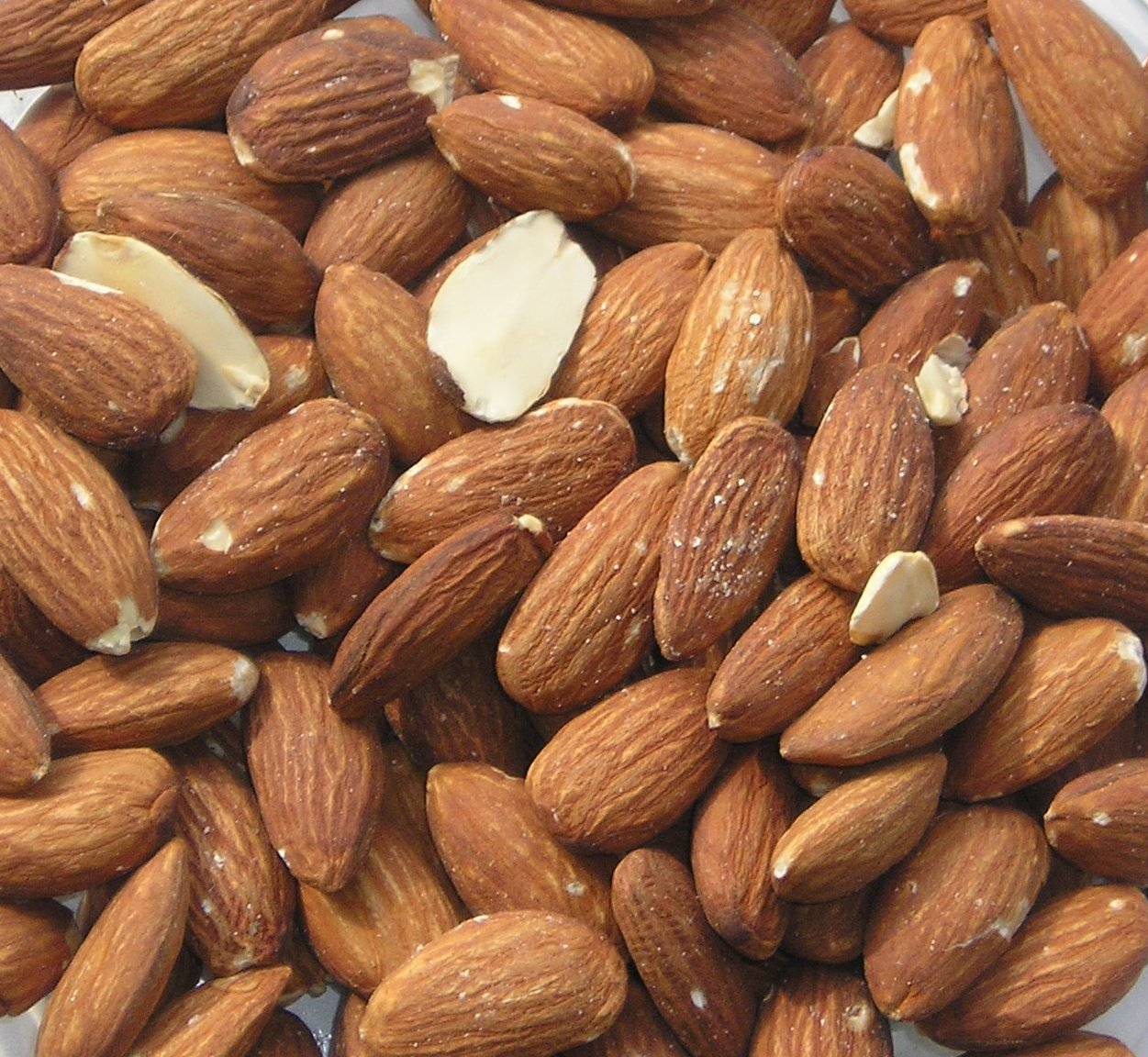
1. Almonds
Almonds have been shown to lower cholesterol and help maintain a healthy weight. About a ¼ cup of almonds is a beneficial serving. Enjoy them plain or roasted, whole or slivered. Almond butter – just a tablespoon or two – is a healthy treat, too. Try some on a whole grain cracker and a cup of green tea for a late afternoon energy boost.

2. Blueberries
Blueberries are as full of cancer- and disease-fighting antioxidants as any food around, so much so that they have been even shown to restore antioxidant levels. Also, like cranberries, they can help prevent urinary tract infections. Note that wild blueberries tend to have even more antioxidants than cultivated ones. Fresh berries are delicious all on their own or with a bit of Greek yogurt (see #5). Frozen berries can be used in smoothies or put on top of low-fat frozen yogurt. Use about ½ cup fresh or frozen berries as a serving.

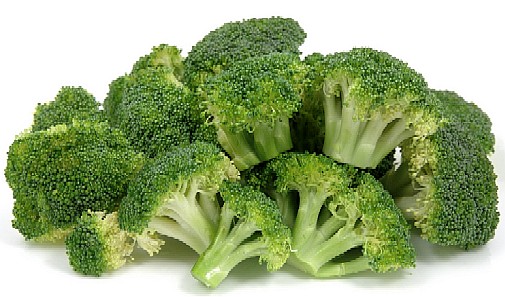
3. Broccoli
Broccoli eaten either raw or lightly steamed contains tons of soluble fiber and antioxidants, as well as folic acid, calcium, ion, and potassium. Broccoli has even been shown to have the power to reduce diabetic damage. Don't throw away the stalk/stem! Cut off the thick, fibrous darker green peel to reveal the tender, pale green vegetable underneath – it has the crunch of celery and a mild broccoli flavor. Try broccoli florets or peeled stems with a little drizzle of soy sauce or a simple dip made from fat-free Greek yogurt (again see #5) – stir in minced garlic and herbs, lemon zest and minced rosemary, or a sprinkle of cumin and cayenne to taste. About ½ cup of florets or peeled stem is a serving.

4. Cherries
Cherries, tart ones in particular, have similarly insanely high antioxidant levels as blueberries, putting them in the position to fight memory loss, heart disease, and diabetes. They've also been shown to help reduce inflammation, helping alleviate arthritic and gout pain. Fresh, frozen, or dried (unsweetened) tart cherries make a great snack on their own or combined with other nuts (almonds, walnuts, pumpkins seeds) and fruits (blueberries, raisins). Count ½ cup fresh cherries or ¼ cup dried cherries as a serving.

5. Greek Yogurt
Greek yogurt is thick and creamy in a way regular yogurt can only dream of. It's high in calcium, of course, and contains good levels of probiotics, which aid healthy digestion. But did you know low-fat and fat-free versions contain twice as much protein as regular yogurt? The texture of Greek yogurt makes it a great snack – especially when topped with dried fruits like blueberries, tart cherries, or raisins – as well as a good substitute for fatty sour cream. Include in it your three servings (1/2 cup each) of low-fat dairy a day.

6. Pumpkin Seeds
Pumpkin seeds give you protein, zinc, magnesium, and selenium, a potent combination that can fight heart disease and depression. Selenium, a trace mineral, is essential for proper thyroid function. Look for roasted pumpkin seeds, often sold as "pepitas," that are unsalted and flavor-free. As with all nuts and seeds, a serving is about ¼ cup.

7. Raisins
Raisins, like all dried fruits, contain a lot of natural sugars, but the fiber and iron in raisins, along with high levels of vitamin C, put them squarely in the super snacks category. Plus, the phytochemicals in raisins have been shown to fight the bacteria that cause tooth decay and gum disease. Keep servings to about ¼ cup and buy only unsweetened raisins.

8. Soy Beans
Soy beans (edamame) are a great source of protein as well as cancer-fighting flavonoids. Steamed or boiled fresh or frozen soy beans can be eaten like fresh sweet peas or in-shell peanuts – and, in fact, they taste a bit like a cross between the two – where part of the fun is getting the nugget out of the shell. Enjoy ½ cup shelled soybeans or 1 cup in-the-pod soy beans as a tasty, healthful snack.

9. Walnuts
Walnuts bring protein, fiber, vitamins, minerals and precious omega-3s to the party. They've been shown to lower cholesterol, improve brain function, regulate sleep patterns, and fight cancer and heart disease. If you find walnuts a bit too bitter to enjoy them fully, use this trick: blanch walnut halves in boiling water for 30 seconds to remove some of the bitterness, drain them, and then toast them on a baking sheet in a 375-degree oven for 10 to 15 minutes to bring back their crunch. As with all nuts, limit your serving size to about ¼ cup.

10. Dark Chocolate
Dark chocolate – saving the best for last. Dark chocolate has tons of antioxidants, magnesium, manganese, copper, zinc, and phosphorous. Look for chocolate that contains over 70% cocoa to get the full benefit of chocolate's antioxidant powers and limit your intake to about an ounce a day.


Converted by Ritesh Sanap | Sponsored by Downloaddeck.com Powered by Giant Themes